Navratri 2025 colours and significance: Day-wise guide to Maa Durga’s forms
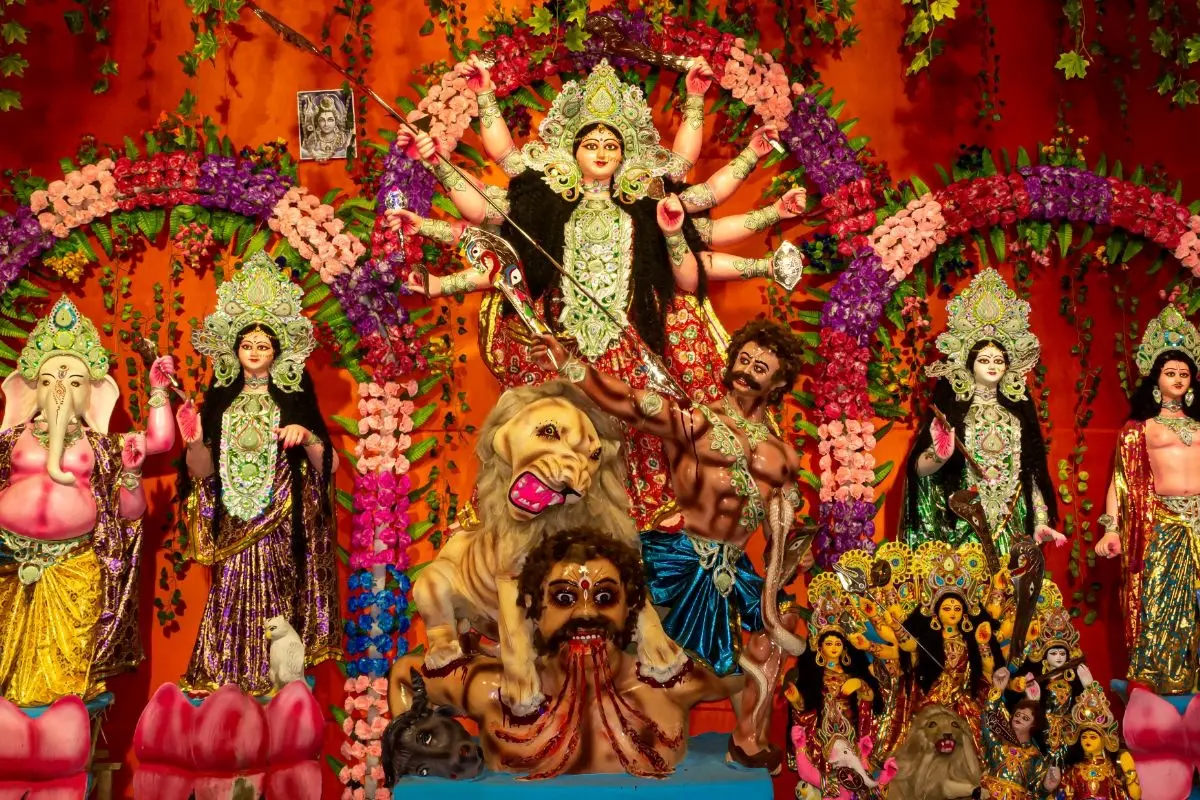
Navratri is one of India’s most colourful and lively festivals, celebrated over nine days to honour the nine forms of Maa Durga. The nine-day festival dedicated to Maa Durga, will be celebrated this year from September 22 to October 2, ending with Vijayadashami, also known as Dussehra.
During Navratri, devotees worship the nine divine forms of Goddess Durga, collectively known as Navdurga, with immense devotion and enthusiasm. Each form represents a unique aspect of the female divine, ranging from protection to nurturing.
According to Hindu legend, the nine forms signify the stages of the battle between Goddess Durga and the demon king Mahishasura, culminating in the victory celebrated as Vijayadashami on the tenth day. One of the special traditions of Navratri is that each day is linked to a particular goddess and an auspicious colour. Here’s a guide to all nine colours of Navratri and what they mean.
Day 1: White – Maa Shailaputri
The first day is dedicated to Maa Shailputri, who embodies serenity and simplicity. Devotees seek her blessings for mental balance, family harmony, and stability. Her gentle presence calms the mind and soothes the soul, offering peace and prosperity.
White stands for purity and innocence. Wearing white on the first day helps you seek Maa Shailaputri’s blessings for inner peace and security.
Day 2: Red – Maa Brahmacharini
Red symbolises passion and love, filling you with energy and vitality.
On the second day, devotees worship Maa Brahmacharini, the goddess of knowledge, penance, and self-discipline. Her blessings encourage spiritual growth, academic success, and inner strength. She inspires determination and focus, helping devotees overcome obstacles and stay committed to their goals.
Day 3: Royal Blue – Maa Chandraghanta
Blue represents richness, calmness, and depth. Don this colour to worship Maa Chandraghanta.
Maa Chandraghanta is worshipped on the third day. Her fierce form helps remove fear and negativity, instilling courage, confidence, and protection. Her presence brings light to darkness, empowering devotees with fearlessness and strength.
Day 4: Yellow – Maa Kushmanda
Yellow radiates warmth and positive energy, uplifting your spirit. Wear this shade on day four to enjoy the festivities.
The fourth day honours Maa Kushmanda, who represents creation and solar energy. She fills lives with vitality, prosperity, and new beginnings. Devotees worship her to gain health, happiness, and spiritual growth, drawing energy for body, mind, and soul.
Day 5: Green – Maa Skandamata
On the fifth day, devotees pray to Maa Skandamata, the goddess of love and compassion. Her blessings bring family harmony, happiness, and parental care. She nurtures her devotees with affection, ensuring a life filled with love and emotional well-being.
Green stands for nature, growth, and new beginnings. It brings a sense of peace and fertility. Wearing green invites Goddess Skandamata’s blessings for tranquillity and fresh energy.
Day 6: Grey – Maa Katyayani
Maa Katyayani is worshipped on the sixth day. Her fierce form inspires courage, resilience, and determination. Devotees seek her blessings for strength, victory, and confidence, empowering them to face challenges and achieve success.
Grey reflects balance and groundedness. Don this colour to worship Katyayani, the sixth form of Maa Durga.
Day 7: Orange – Maa Kaalratri
The seventh day is dedicated to Maa Kaalratri, the goddess who eradicates fear, ignorance, and negative energies. Her worship provides protection, inner peace, and spiritual growth, bringing light into the lives of devotees and keeping darkness at bay.
Orange is full of positivity, warmth, and enthusiasm. Wear it to honour Maa Kaalratri and invite exuberance and energy into your life.
Day 8: Peacock Green – Maa Mahagauri
On the eighth day, devotees honour Maa Mahagauri, a symbol of purity, beauty, and serenity. Her blessings bring inner peace, marital bliss, and prosperity, creating calmness and joy in the lives of her followers.
Peacock green represents individuality, compassion, freshness, and uniqueness. Wear it to connect with Maa Mahagauri’s distinct qualities.
Day 9: Pink – Maa Siddhidatri
The ninth day is dedicated to Maa Siddhidatri, who grants spiritual knowledge, intuition, and fulfilment of desires. Devotees seek her blessings for success, prosperity, and spiritual enlightenment, achieving their goals with her divine guidance.
Pink symbolises universal love, affection, and harmony. It’s a soft and attractive colour that fosters compassion and connection.
List of 9 colours of Navratri
| September 22 | Day 1 (Pratipada) | White | Maa Shailputri |
| September 23 | Day 2 (Dwitiya) | Red | Maa Brahmacharini |
| September 24 | Day 3 (Tritiya) | Royal Blue | Maa Chandraghanta |
| September 25 | Day 4 (Chaturthi) | Yellow | Maa Kushmanda |
| September 26 | Day 5 (Panchami) | Green | Maa Skandamata |
| September 27 | Day 6 (Shashthi) | Grey | Maa Katyayani |
| September 28 | Day 7 (Saptami) | Orange | Maa Kaalratri |
| September 29 | Day 8 (Ashtami) | Peacock green | Maa Mahagauri |
| September 30 | Day 9 (Navami) | Pink | Maa Siddhidatri |