What is looksmaxxing? Men smashing jawlines for perfection
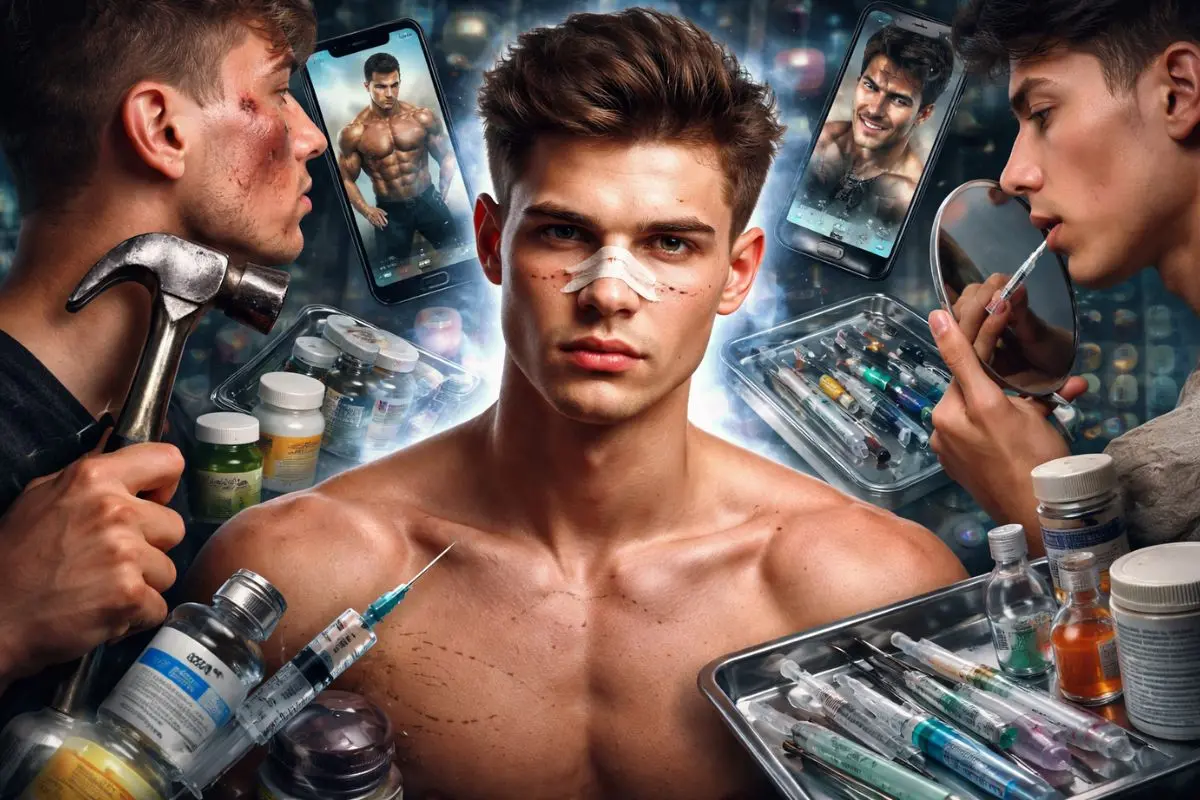
What started as a niche internet self-improvement trend has spiralled into one of the most bizarre and worrying Gen Z subcultures online.
“Looksmaxxing”, the idea of maximising your physical attractiveness, has exploded across TikTok, forums, and livestream platforms, drawing in thousands of young men chasing the ultimate glow-up.
At its most basic, looksmaxxing includes familiar advice: hitting the gym, improving skincare, and upgrading fashion.
However, the deeper you go, the stranger it gets. Online communities break attractiveness into hyper-analysed metrics, jaw angles, eye spacing, facial symmetry, often using pseudo-scientific scoring systems.
And then comes the extreme side. From “mewing” (pressing your tongue to reshape your jawline) to “bonesmashing”, literally hitting facial bones to alter structure, the trend has veered into dangerous territory.
Medical experts have warned that such practices can cause fractures, nerve damage, and permanent disfigurement.
What makes it more concerning is the audience: teenagers and young men dealing with insecurity, rejection, and online comparison culture.
Influencers, virality and the Clavicular effect
At the centre of the controversy is Braden Peters, a 20-year-old streamer better known as “Clavicular.” He has become one of the most recognisable faces of the movement, and also one of its most polarising.
Peters built a massive following by rating appearances, promoting intense “self-optimisation” routines, and pushing the boundaries of what transformation means.
But his rise has been accompanied by a string of controversies. He was recently arrested over allegations of instigating and filming a violent altercation for content, further fuelling criticism of the culture he represents.
Reports also link him to extreme practices, including risky cosmetic experiments and dangerous stunts, turning him into what some describe as a “case study” of how far looksmaxxing can go.
More than a trend, a symptom
Experts say looksmaxxing reflects something deeper than vanity. It taps into growing anxieties around masculinity, dating, and identity in a hyper-digital world.
The movement promises control: fix your face, fix your life. But critics argue it often delivers the opposite: obsession, insecurity, and, in extreme cases, harm.
This is because somewhere between skincare routines and smashing your own jawline, the line between self-improvement and self-destruction starts to blur.