Is it safe to shower during a thunderstorm? Here's what experts say
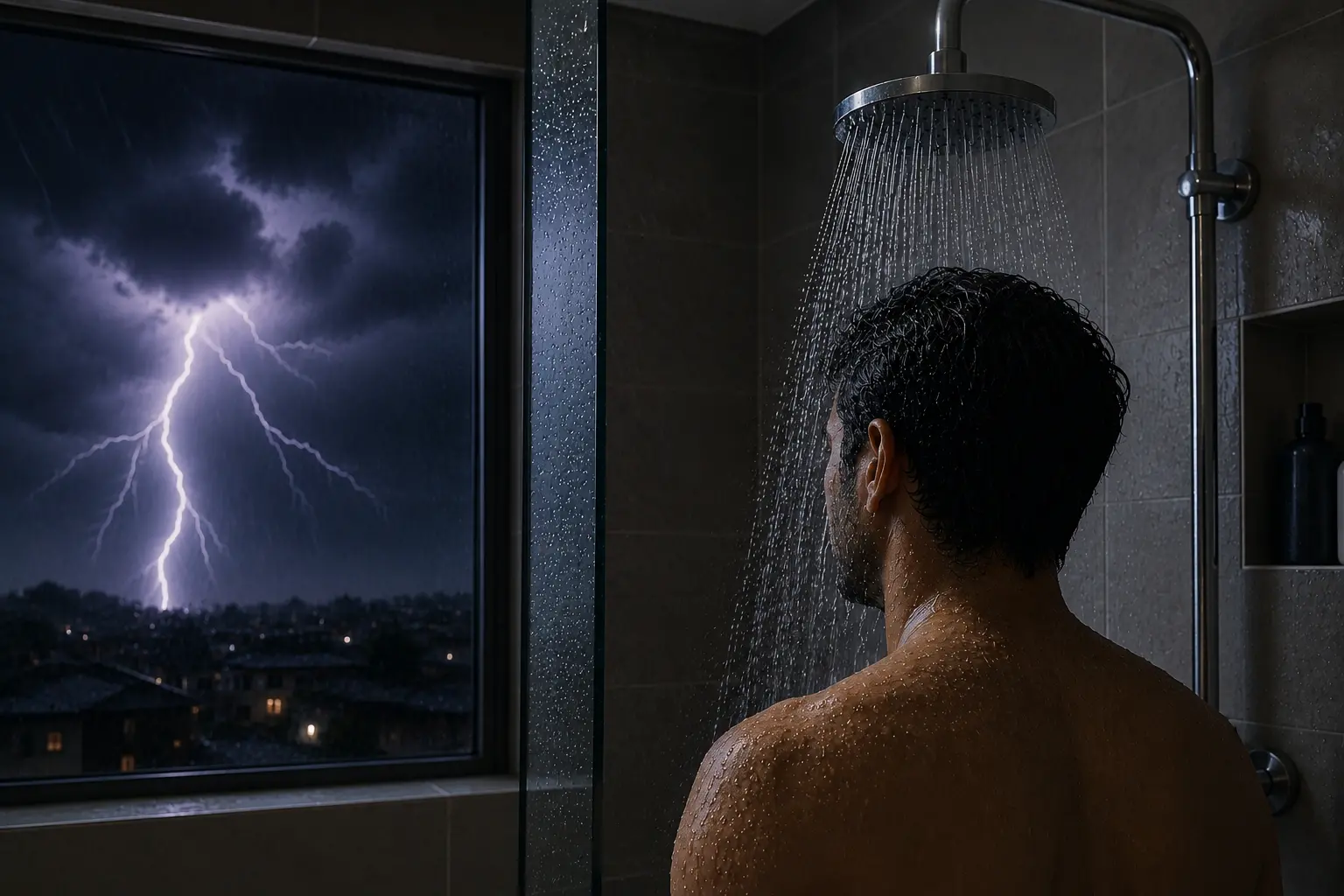
When dark clouds gather and thunder begins to rumble, most people know to stay indoors. But one piece of advice often dismissed as an old wives' tale continues to spark debate every monsoon season: should you avoid taking a shower during a thunderstorm?
The answer, according to weather experts and public health authorities, is yes.
While the chances of being injured are relatively low, showering during a thunderstorm does carry a genuine risk because lightning can travel through a home's plumbing system. That means your shower, bath, kitchen sink or even the tap you're using to wash your hands could potentially become part of the path that electricity takes if lightning strikes nearby.
The warning is backed by agencies including the US National Weather Service (NWS) and the Centers for Disease Control and Prevention (CDC), both of which advise avoiding contact with running water until the storm has completely passed.
How can lightning travel through your home?
Most people associate lightning with trees, power poles and tall buildings. However, a lightning strike doesn't always stop where it lands.
If lightning hits a house, utility line or even the ground close to a building, the electrical current can travel through conductive materials. Metal plumbing is one of the most effective conductors, allowing electricity to move through water pipes and potentially reach taps, showers and bathtubs.
Even homes fitted with plastic pipes are not entirely risk-free. Water itself conducts electricity, and many plumbing systems remain connected to metal fixtures or other conductive components throughout the building.
This is why experts recommend avoiding all contact with running water during an active thunderstorm.
Why showering can be risky
A shower combines two elements that increase the risk during lightning: flowing water and direct contact with plumbing.
If electricity enters the plumbing system, anyone showering or bathing could receive an electric shock. Although such incidents are uncommon, the possibility is serious enough for safety agencies to recommend postponing showers until the storm has ended.
There are very few documented cases worldwide, but they demonstrate that the danger is not purely theoretical. In one widely reported incident in the Netherlands, a 12-year-old was struck by lightning while showering and required emergency medical treatment.
It's not just showers you should avoid
Experts say the advice extends beyond the bathroom.
During a thunderstorm, it is best to avoid any activity that involves running water, including:
- Washing dishes
- Washing your hands
- Taking a bath
- Using taps unnecessarily
The CDC advises limiting contact with plumbing until the threat of lightning has passed.
When is it safe to use water again?
Meteorologists recommend following the "30-30 rule".
If the time between seeing lightning and hearing thunder is 30 seconds or less, you are close enough to be struck by lightning and should immediately move to a safe indoor shelter.
After the final clap of thunder, wait at least 30 minutes before resuming outdoor activities or using water and electrical appliances as normal. This helps ensure the storm has fully moved away.
Lightning can also travel through electrical wiring
Plumbing is not the only pathway lightning can use.
Electrical wiring inside homes can also carry a lightning surge, which is why experts recommend avoiding plugged-in appliances during thunderstorms.
Devices such as desktop computers, televisions, gaming consoles, washing machines, dryers and corded telephones should not be used while lightning is active. Mobile phones, however, are considered safe provided they are not connected to a charger.
What happens if someone is struck by lightning?
Although lightning strikes are rare, they can cause life-threatening injuries.
The electrical current can affect the heart, brain and nervous system within seconds. Severe cases may lead to cardiac arrest, major organ damage or permanent neurological injuries.
People who survive may experience symptoms ranging from headaches, muscle pain and dizziness to memory problems, sleep disorders, chronic pain and changes in mood or personality. Recovery varies significantly depending on the severity of the strike.
Other indoor safety tips during a thunderstorm
Being indoors is generally the safest place during a thunderstorm, but experts recommend taking a few additional precautions.
Avoid standing near windows, doors, balconies or porches, where wind-driven debris and lightning-related hazards may be greater. It is also advisable to avoid leaning against concrete walls or sitting on concrete floors because many contain metal reinforcement that can conduct electricity.
What if you're caught outside?
If a thunderstorm develops while you're outdoors, seek shelter immediately inside a substantial building or a fully enclosed vehicle with the windows closed.
Avoid open fields, hilltops, isolated trees, swimming pools, lakes and other bodies of water. Never touch fallen power lines, and if no shelter is available, crouch low with your feet together as a last resort rather than lying flat on the ground.