How to cancel the PAN of a deceased person?
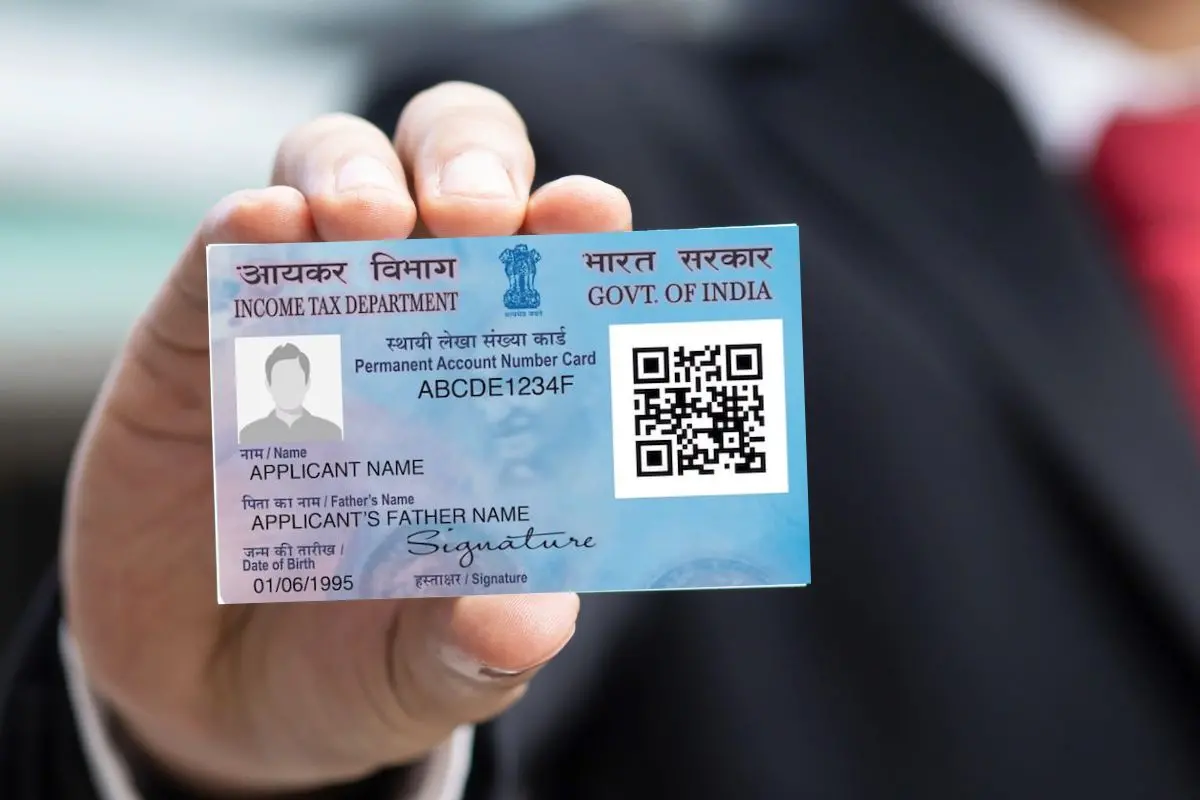
When a PAN holder passes away, it is the responsibility of the legal heir or representative to inform the Income Tax Department and apply for the cancellation of the deceased person’s PAN. This process is important because an active PAN can otherwise be misused for illegal financial transactions, identity theft, or benami property deals. It may also lead to unnecessary tax notices if the PAN remains linked to income or transactions after the person’s death. According to the Income Tax Act, 1961, the Assessing Officer (AO) has the authority to cancel or deactivate a PAN that is no longer valid. Here is a step-step guide to cancel the PAN card of a deceased person in your family.
Documents required
- Deceased’s PAN card (if available)
- Death certificate (copy)
- Duly signed application or Form 49A
- Your proof of identity (PAN card, Aadhaar card, etc.)
- Proof of legal heir status (legal heir certificate, succession certificate, will, or notarized affidavit)
Steps to cancel PAN
1. File income tax returns of the deceased
If the deceased is a taxpayer, then it is necessary to file the Tax return of the deceased from 1 April of the relevant financial year till the date of death. Copies of the legal heir certificate, death certificate, PAN card of the deceased, as well as the person filing the return, must be attached along with the certificate. A notarised affidavit should also be attached. The return can be filed online or in person.
2. Prepare an application letter
Write a self-signed application addressed to the jurisdictional Assessing Officer (AO). The letter should include:
- Full name of the deceased
- PAN of the deceased
- Date of death
- A clear request for cancellation of the PAN
- Your name, address, and telephone number
- Your relationship to the deceased
3. Attach required documents
Attach the following documents together with your application letter in an envelope:
- Deceased person’s PAN card (if available)
- Copies of death certificate issued by a hospital or municipal authority
- Proof of your identity (such as your PAN card or Aadhaar card)
- Proof of your relationship to the deceased (such as a legal heir certificate, will, succession certificate, or notarized affidavit)
4. Find the correct Assessing Officer
Use the Income Tax Department’s “Know Your AO” facility available at www.incometax.gov.in to find out the Assessing Officer for the PAN jurisdiction of the deceased
5. Submit the application
You can submit your application either by post by sending the envelope to the jurisdictional AO’s office address or in person by visiting the AO’s office yourself and submit the documents directly.
Steps to cancel via Form 49A (through NSDL)
If you cannot submit the application to the AO directly, you may cancel the PAN through a correction request using Form 49A.
1. Download Form 49A from the NSDL-TIN website: www.tin-nsdl.com
2. Fill in the form, marking the space for “PAN Cancellation”. Provide the deceased person’s PAN details and sign as the legal heir.
3. Attach all supporting documents:
- Death certificate
- Copy of the deceased’s PAN card
- Your PAN card and legal heir certificate
- Your proof of identity and address
4. Submit the completed form and documents at your nearest NSDL PAN service center. On the envelope, clearly write: “Application for Cancellation of PAN – Deceased”.
Why should you cancel a deceased person’s PAN?
- Prevent identity theft: An active PAN can be misused to open bank accounts or claim tax refunds fraudulently.
- Avoid tax notices: Until cancelled, the deceased may continue to receive income tax notices and demands.
- Settle financial matters: Cancelling the PAN helps close tax and financial records properly, enabling final return filings, clearance of liabilities, and smooth transfer of assets.