Less, but chosen, rethinking the festive table
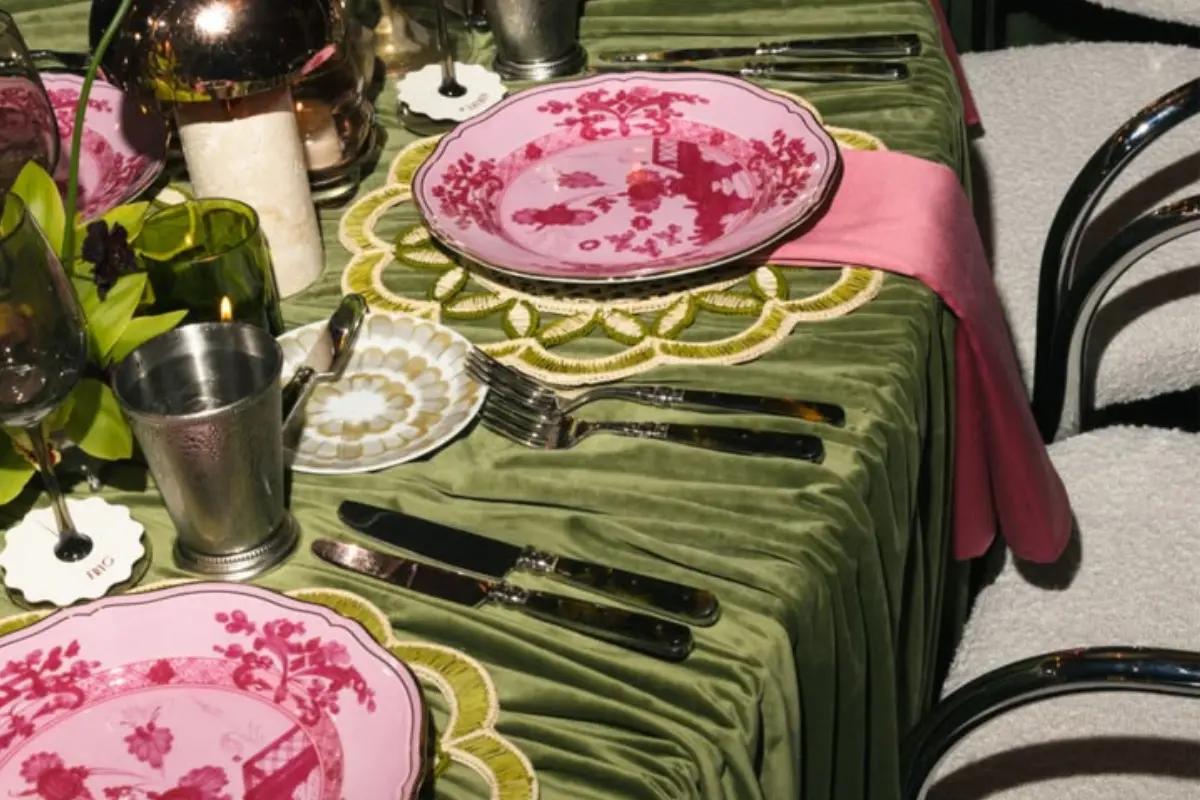
A table tells you about the person who set it. Not loudly, and not through towering centrepieces or an excess of gold, but through what the host chose to notice. Attention is the rarest form of luxury a host can offer, and the table is where it becomes visible.
Festive entertaining is as much about the setting as the food. A well-laid table sets the mood of an evening, brings generations together and lends an ordinary meal a sense of occasion.
The pleasure lies in small things, the weight of a silver bowl, the texture of handwoven linen, the scent of seasonal flowers, the soft glow of candlelight. In India, where hospitality has long been bound up with craft, material and ritual, tablescaping is a way of carrying heritage into the way we live now.
The principle is a simple one.
Do not do more, choose better.
Begin with what you already hold
Few materials say occasion like silver, yet it waits in cupboards for a formal gathering. Bring out the antique bowls, the vintage cutlery, the inherited serving pieces. Pair them with clean-lined porcelain, understated glassware and neutral linen. The contrast is what makes the arrangement work, an ornate silver bowl becomes the focal point, and a family heirloom introduces its own history to the evening.
Let flowers take a sculptural form
How flowers are arranged decides whether a table feels traditional or modern. Keep them low, so guests can speak across the table without craning their necks. Jasmine, tuberose or marigolds in a hand-beaten brass vessel or a stoneware vase, are enough. Mind the scent, which should add atmosphere without competing with the food.
Also Read: The cookbooks worth the counter space of all time
Introduce Indian textiles
Cloth offers colour, pattern and tactility without requiring an extensive collection of tableware. A handwoven runner or embroidered napkins add craftsmanship to an otherwise restrained setting. Chanderi, Jamdani and Banarasi make graceful accents, provided the fabric suits its purpose.
Revisit brass and bronze
These metals have long belonged to Indian homes and ceremony. Today they return as sculptural candleholders, serving bowls and urli vessels, their warm tones glowing against natural wood, stone and ivory linen. A few carefully placed pieces can establish a visual thread without everything needing to match.
Build the table around a palette
A festive table need not rely on a predictable mix of bright colours, metallic accents and decorative motifs. Begin instead with a palette and carry it through linen, flowers, crockery, glassware and accessories. Ivory and antique gold feel warm; indigo and silver offer a cooler alternative. Deep burgundy, smoked glass and dark wood suit a more dramatic evening, while forest green with natural stone and brass feels right for the season.
Personalise with intention
Luxury entertaining is defined by details guests did not expect but remember afterwards, handwritten place cards, printed menus, monogrammed napkins, small keepsakes. For family celebrations, photographs, inherited objects or touches tied to shared memories give the table particular meaning.
Set the mood with light
Lighting alters how every other element is perceived. The same flowers, glassware and silver can feel formal under bright overhead lamps and intimate in softer illumination. For an evening celebration, layer candlelight, subtle ambient light and a few carefully placed lamps.
Also Read: 5 sleepy-time sips to pour before bed
To host more personally is not to do more. It is to choose with care, pieces with history, things made by hand, details that reflect you. Do that, and the table does the rest.
(Disclaimer: Images used in this article are sourced from Pinterest and are for representational purposes only. All rights belong to their respective owners.)