World Zoonoses Day: 75% of new or emerging diseases in humans come from animals
Every year on July 6, the world pauses to mark World Zoonoses Day — a day that commemorates the historic moment in 1885 when French scientist Louis Pasteur successfully administered the first rabies vaccine to a human, saving a young boy’s life.
However, beyond its historical roots, this day has become a critical reminder of an urgent modern truth: diseases that jump from animals to humans — known as zoonoses — remain among the greatest health threats of our time.
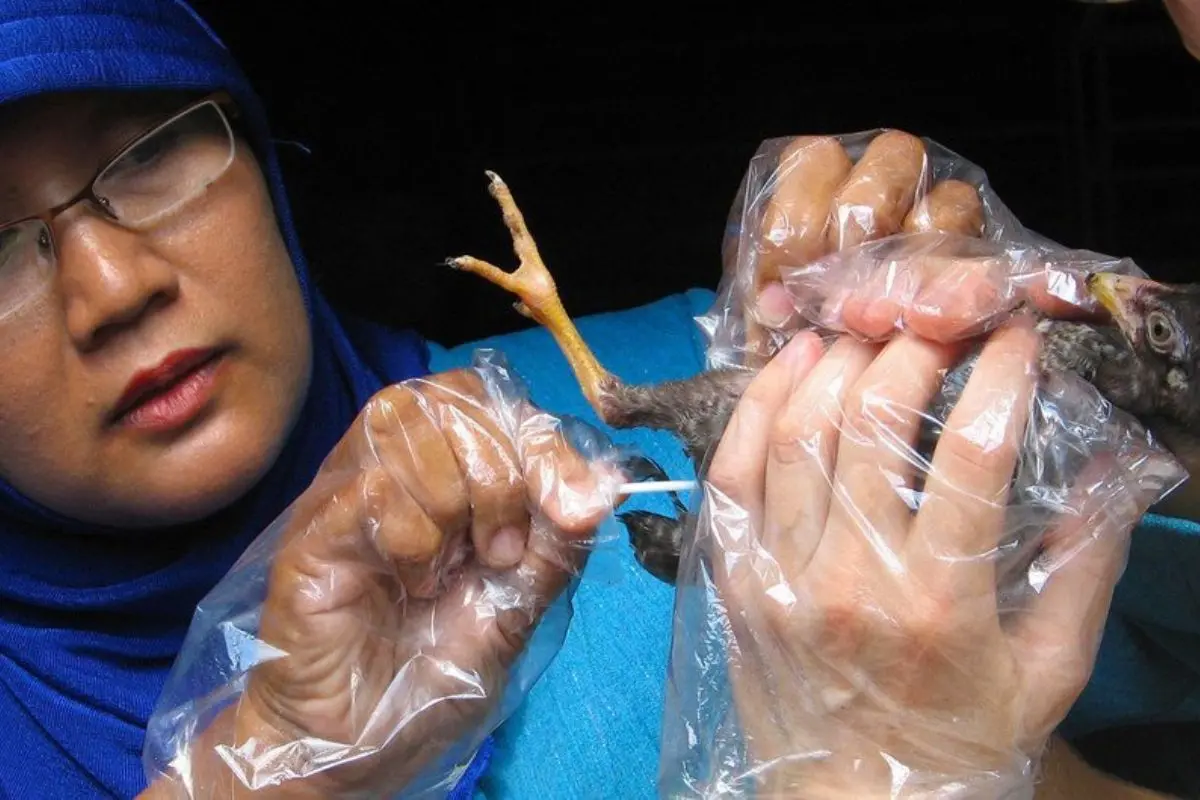
What are zoonotic diseases? Zoonoses are infections that originate in animals and spill over to humans. Some are familiar — like rabies, bird flu, swine flu, and plague — while others, like Ebola and SARS-CoV-2 (which caused COVID-19), have shaken the world in recent decades. The World Health Organization estimates that about 60% of existing human infectious diseases are zoonotic, and around 75% of new or emerging diseases in humans come from animals.
Why is the risk rising? Deforestation, rapid urbanization, climate change, and the illegal wildlife trade have all intensified human-animal contact. As habitats shrink and species move closer together — and to us — the chances of a virus or bacterium finding a new human host grow alarmingly higher.
Lessons from the past, hope for the future: Pasteur’s rabies vaccine was a turning point in medical science, proving that prevention could be possible even for terrifying diseases. Today, modern vaccines, surveillance systems, and One Health approaches — which recognize the interconnectedness of human, animal, and environmental health — offer hope in controlling and preventing future zoonotic outbreaks.
What can we do?
- Vaccinate pets and livestock, especially against rabies and other preventable diseases.
- Promote responsible farming and food safety.
- Avoid contact with wild animals and support wildlife conservation to reduce risky interactions.
- Stay informed about local zoonotic risks and emerging health advisories.
On World Zoonoses Day, the message is clear: the health of humans, animals, and the planet is woven together. By respecting that balance and acting responsibly, we can help prevent the next pandemic — and honor the pioneering spirit of science that began over a century ago.