World IVF Day: What happens to unused embryos after IVF?
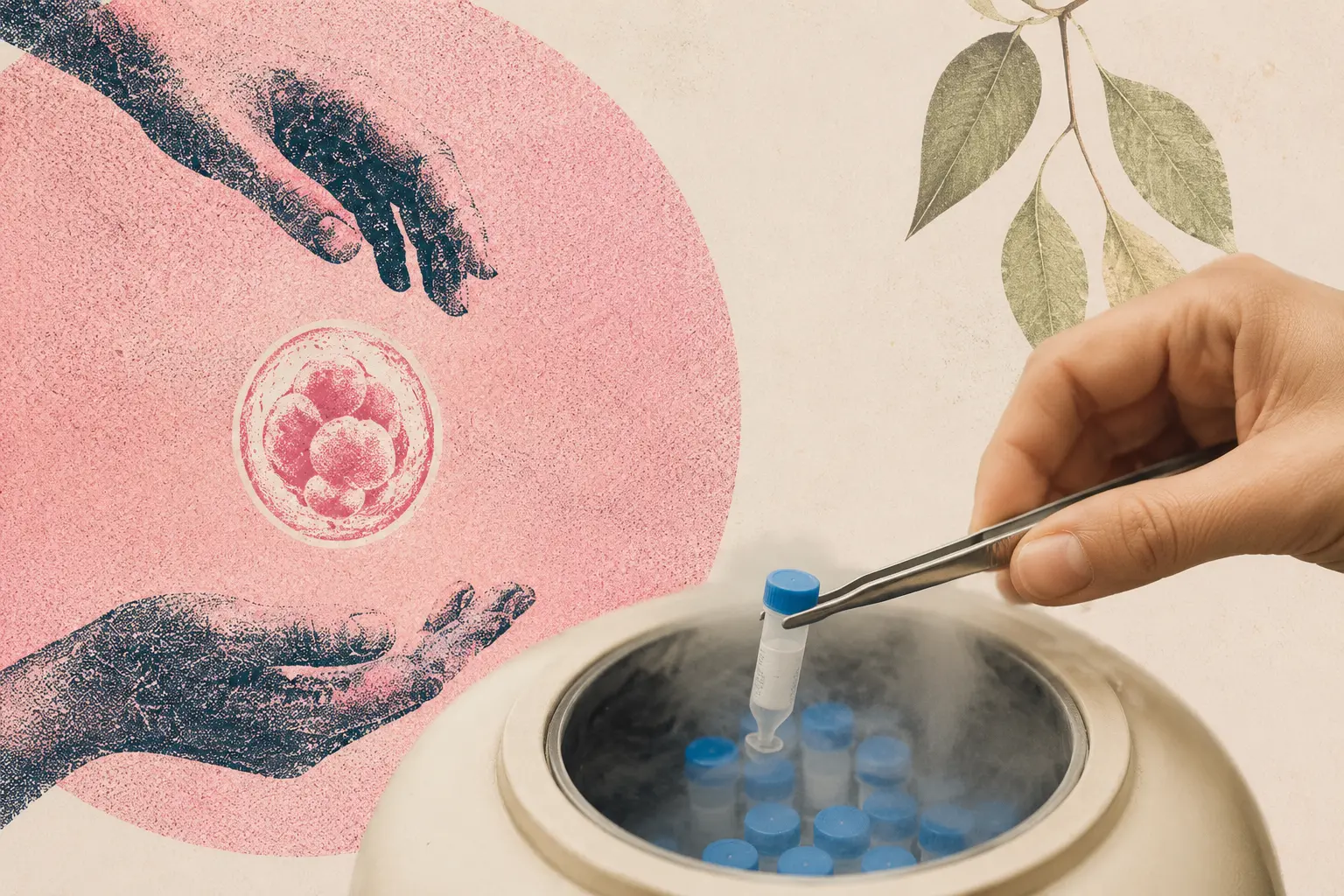
We have become much more open about talking about fertility. Celebrities share their IVF journeys, peers speak about freezing their eggs, and social media has made reproductive health less of a taboo than it once was. Yet one part of the IVF journey still remains surprisingly quiet. What happens to the embryos that are left behind?
For people who have never gone through IVF, the answer may seem straightforward. But for those who have, it is often one of the most emotional decisions they will ever make.
Unused embryos sit at the intersection of science, hope, ethics and deeply personal feelings. There is no single right answer. Every family arrives at a different decision based on their beliefs, future plans, finances and emotional readiness.
On World IVF Day, it is worth talking about this lesser-known part of fertility treatment because it reminds us that IVF does not always end when a baby is born or when a treatment cycle is over.
First, why are there unused embryos?
During IVF, doctors usually retrieve several eggs in one cycle. The eggs that are successfully fertilised develop into embryos in the laboratory. Not every embryo is transferred immediately.
In many cases, one embryo is transferred while the remaining healthy embryos are frozen through a process called cryopreservation. These frozen embryos can be used later if the first transfer does not result in pregnancy or if the couple wishes to have another child in the future.
Also Read: Who is Louise Brown? Everything to know about the world's first IVF baby
In other words, having unused embryos is often a positive outcome. It can mean there are more chances without having to repeat the entire egg retrieval process.
Frozen does not mean forgotten
When people hear the words "frozen embryos", it is easy to imagine them sitting untouched in a laboratory forever. The reality is far more organised.
Embryos are stored in specialised containers filled with liquid nitrogen at extremely low temperatures. Fertility clinics maintain detailed records and require regular communication with patients about storage and future decisions.
For many couples, those embryos represent possibilities. They are not something they think about every day, but they remain part of the family's story.
What are the options?
There is no universal path. The choices available depend on medical advice, personal wishes and the legal framework in each country.
Keep them frozen for future use
Many couples choose to continue storing their embryos. Perhaps they hope for another child a few years later. Perhaps they are simply not ready to decide.
This option gives families more time. It also means they may not have to go through another full IVF stimulation cycle if they decide to expand their family later.
Donate them for research
Some people decide that if they no longer need the embryos, they would like them to contribute to scientific research.
Research involving donated embryos can help scientists better understand infertility, embryo development and future fertility treatments. This is only possible with informed consent and within the legal framework of the country.
Allow storage to end
Some families eventually decide not to continue storing their embryos. This decision can be emotional. For some, it brings closure. For others, it takes months or even years before they feel ready. There is no timeline for making peace with the decision.
What does Indian law say?
India now has a legal framework governing assisted reproductive technology through the Assisted Reproductive Technology (Regulation) Act, 2021.
The law requires clinics to obtain written informed consent for embryo storage and for decisions about their future use. It also lays down standards for storage and handling.
Under Section 28 of the Act, embryos may generally be stored for up to 10 years. At the end of that period, with the consent of the commissioning couple or individual, they may be allowed to perish or donated to a registered research organisation for research purposes.
One important point that has attracted attention recently is embryo donation to another couple.
Unlike in some other countries, India's current legal framework does not generally permit the donation of unused frozen embryos to another infertile couple for reproductive use. This issue is currently being discussed in the courts after a legal challenge questioned the existing rules.
Why is this decision so emotional?
From the outside, it may seem like a medical decision. For many families, it feels much bigger than that.
Some see the embryos as future possibilities. Others see them as a chapter they are ready to close. Partners do not always feel the same way, and that is completely normal.
People who have experienced infertility often describe mixed emotions. Relief that treatment worked. Gratitude for the family they have. Guilt about making a final decision. Even uncertainty about what feels "right".
These feelings are why fertility clinics often encourage counselling before patients make long-term decisions about stored embryos. The choice is rarely rushed because it deserves careful thought.
A decade ago, many people did not even know what IVF involved. Today, more celebrities, creators and ordinary families are sharing their fertility journeys openly. We are hearing more about egg freezing, donor conception and fertility preservation. But conversations about unused embryos still tend to happen quietly, if at all.
Perhaps that is because there is no neat ending.
Unlike many medical treatments, IVF leaves behind decisions that are deeply personal and impossible to separate from emotion.
There is no "correct" answer
If there is one thing fertility specialists often emphasise, it is this: there is no universally right decision about unused embryos. What feels right for one family may feel impossible for another.
Some continue storage for years. Some choose research. Some decide they are ready to let go. Every decision is shaped by personal beliefs, family plans, finances and life circumstances.
That is why these conversations deserve empathy instead of judgement. Because sometimes, the hardest part of an IVF journey is not creating embryos. It is deciding what they will mean for the future.