Woman slept with identical twins, UK court says even DNA can’t name the father
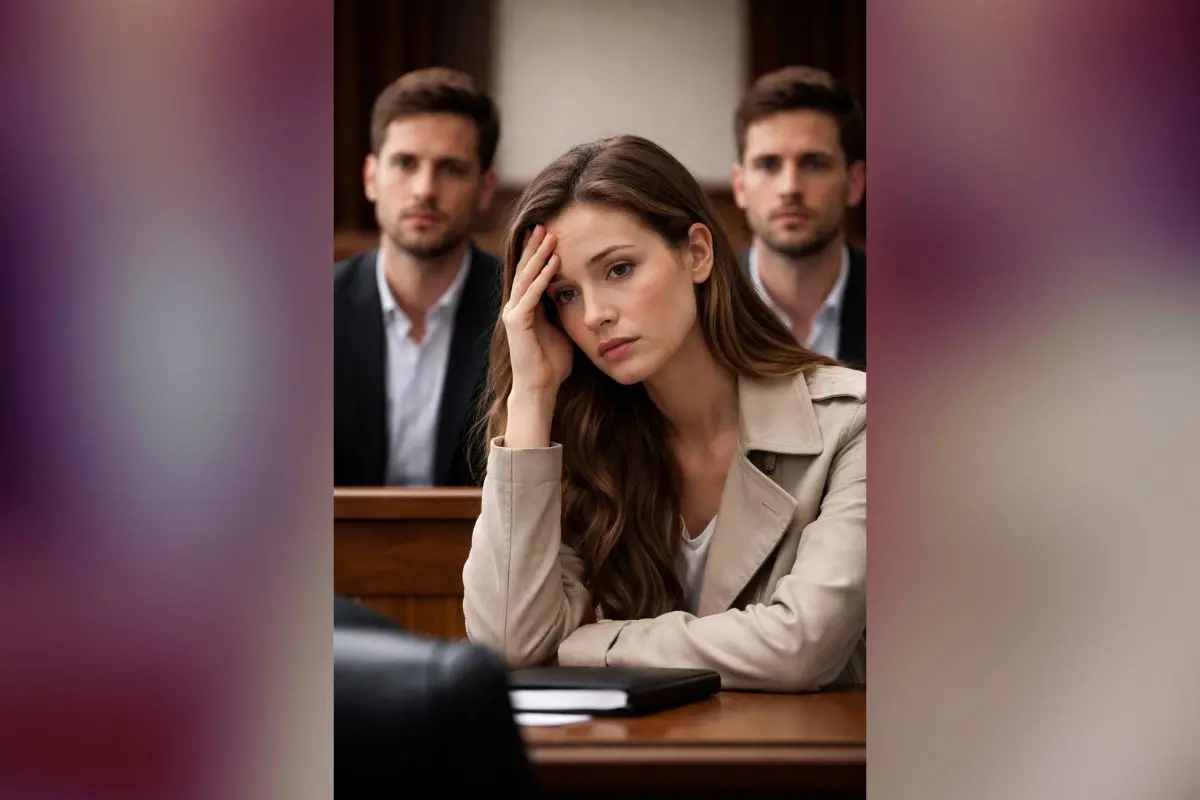
London: In a case that sounds stranger than fiction, a woman who had sexual relations with identical twin brothers just days apart has left a UK court grappling with a question science cannot yet answer: Who is the father of her child?
The extraordinary legal battle unfolded after one of the twins was named as the father on the child’s birth certificate. But the twist? The woman had also been intimate with the other brother within the same conception window, just four days apart, making both men equally likely to be the biological father.
When the mother and the second twin challenged the birth record in court, what followed exposed a rare and unsettling reality: identical twins share nearly indistinguishable DNA, rendering standard paternity tests useless in determining which one fathered the baby.
At the Court of Appeal in London, a panel of senior judges admitted the truth is frustratingly simple and unresolved. “The father is one or the other twin,” the court said, “but it is not possible to say which.”
Even more striking, the court ruled that the man listed on the birth certificate cannot automatically be considered the legal father, but also refused to declare that he isn’t. In legal terms, the case sits in a grey zone: not proven, but not disproven either.
The child, identified only as “P”, now finds themselves at the centre of a deeply complex legal and biological puzzle. For now, neither twin can definitively claim fatherhood, and neither can be ruled out.
Judges noted that while future scientific advances may one day crack the mystery, current methods would require prohibitively expensive and advanced testing, leaving the case unresolved for the foreseeable future.
In a striking observation, the court described the child’s reality as “binary”, their father is one of two men, but their identity remains unknowable.
As the case continues, it raises uncomfortable questions: What defines fatherhood, biology, law, or certainty? And what happens when even DNA refuses to cooperate?