Cold weather, colder sperm? Winter’s awkward truth for men
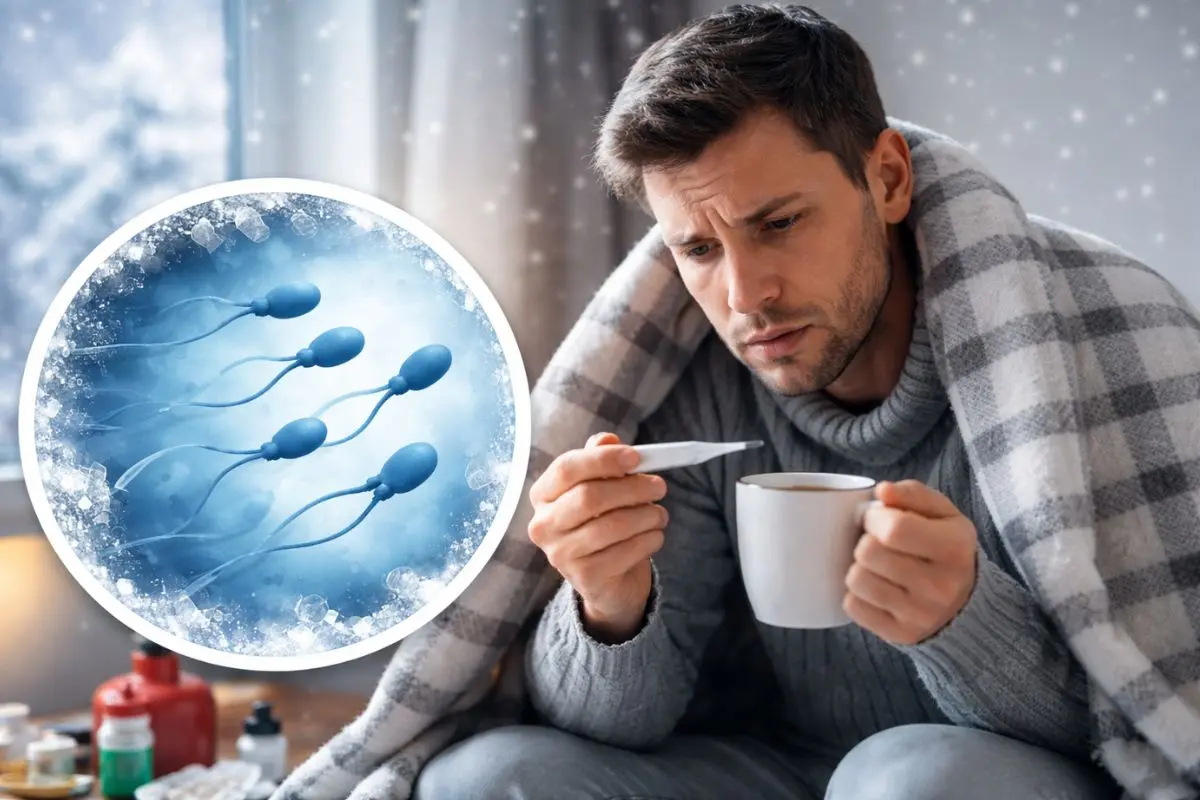
Winter is often associated with comfort food, warm drinks, and long hours indoors. But beneath the cosy routines, the colder months may be quietly affecting male fertility in ways many men don’t realise.
Speaking to Mathrubhumi, Dr Dimple Chudgar, Obstetrician and Gynecologist at Apollo Spectra, Mumbai, explains that while cold weather itself does not directly damage sperm, winter-linked lifestyle changes can significantly influence sperm health.
“While male infertility has several causes, winter-related habits and environmental changes can play a surprising role in sperm quality,” she says.
Dr Chudgar said that reduced sunlight exposure during winter leads to lower Vitamin D levels, which play a crucial role in hormone regulation and sperm development.
“Vitamin D is essential for hormone balance, energy levels, and healthy sperm development. Low levels may lead to reduced sperm count and motility,” she explains.
She adds that winter often pushes men indoors, resulting in physical inactivity, weight gain, and increased consumption of processed foods.
“Weight gain, poor diet, and lack of exercise can negatively impact testosterone levels and sperm health,” Dr Chudgar notes.
Another overlooked factor is dehydration. Many men consume more tea, coffee, or alcohol in winter to stay warm, unknowingly compromising sperm quality. “Excess caffeine and alcohol intake may lead to dehydration, which can affect sperm quality,” she warns.
Ironically, staying warm may also backfire. Long hot showers, heating pads, or prolonged exposure to heat around the groin area can disrupt sperm production.
“The testes require a slightly cooler temperature to function properly. Excessive heat around the groin can reduce sperm production,” she explains.
Mental health also plays a role. Seasonal stress, lower energy, and mood fluctuations during winter can disturb hormonal balance.
“Increased stress levels can directly affect hormone levels and sperm health,” Dr Chudgar says.
However, she reassures men that winter-related fertility issues are manageable with simple lifestyle changes.
“Getting at least 20 minutes of morning sunlight can help maintain healthy testosterone levels,” she advises.
Dr Chudgar recommends avoiding long hot baths, maintaining a balanced diet rich in nuts, seeds, fruits, vegetables, and protein, engaging in at least 45 minutes of physical activity daily, staying well-hydrated, and saying no to alcohol and excessive caffeine.
“By following these steps, men can ensure healthy sperm production even during the colder months,” she concludes.