What is Chemsex? NCB issues nationwide warning over emerging drug trend
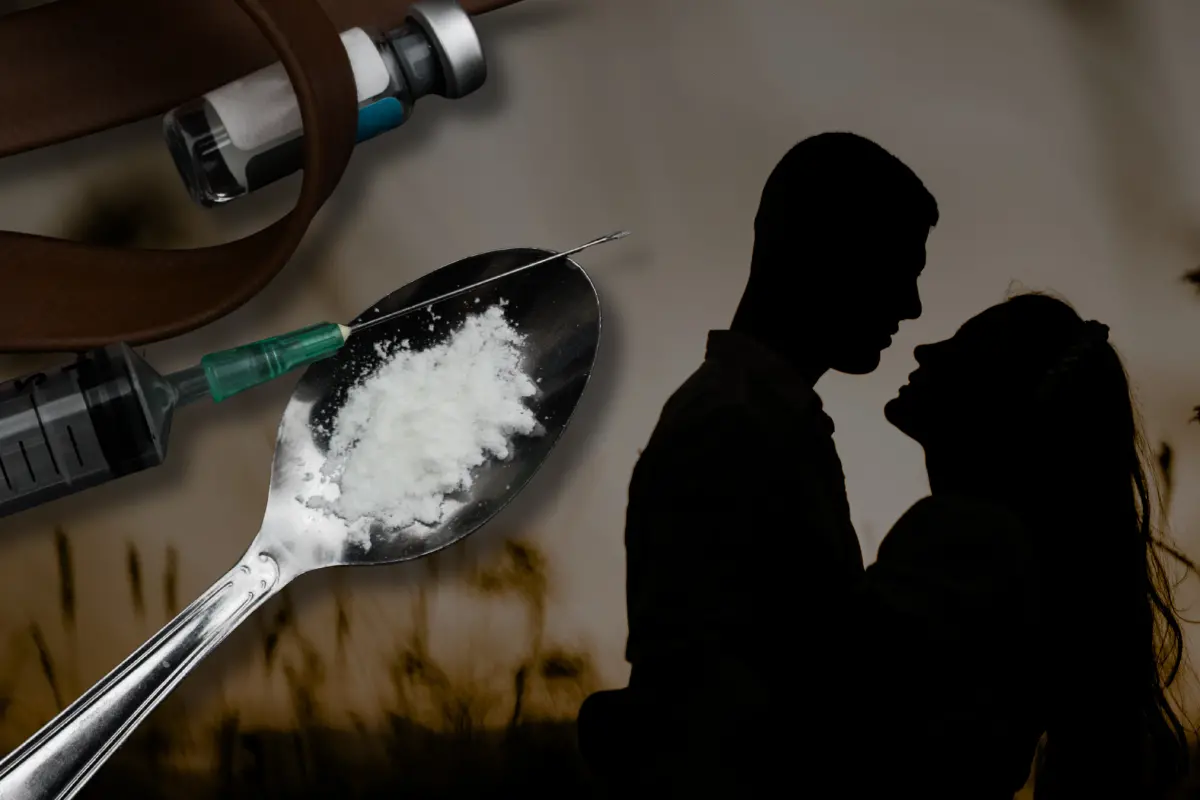
New Delhi: The Narcotics Control Bureau (NCB) has issued a public advisory warning about the growing use of the term "chemsex" among some young people, urging parents, educators and law enforcement agencies to stay vigilant as the practice gains visibility on social media and online platforms.
According to the NCB, chemsex refers to the intentional use of certain psychoactive drugs to facilitate, enhance or prolong sexual activity. The agency said discussions around the practice have increasingly surfaced in digital spaces across multiple cities, raising concerns about its health and social consequences.
"Chemsex" refers to the intentional use of certain psychoactive substances to facilitate, enhance or prolong sexual activity.
Health experts say the substances most commonly associated with chemsex include crystal methamphetamine, gamma-hydroxybutyrate (GHB), gamma-butyrolactone (GBL), mephedrone and, in some cases, other stimulants or synthetic drugs. These substances can lead to overdose, addiction, severe mental health issues and other life-threatening complications.
The NCB also cautioned that digital dating applications and online platforms can sometimes be exploited to procure drugs and organise private meetups, making awareness and timely intervention crucial.
Experts have warned that drug use in such settings may increase the risk of infectious diseases, including HIV and other sexually transmitted infections, especially when safe sexual practices are not followed. Other risks include accidental overdose, cardiovascular complications, psychological distress and long-term substance dependence.
The agency advised parents and guardians to remain alert to behavioural changes that may indicate substance misuse. These include withdrawing from family and friends, sudden changes in social circles, declining academic performance, mood swings, unexplained financial demands and the presence of drug-related paraphernalia.
Health experts also listed possible signs of intoxication, including enlarged pupils, bloodshot eyes, poor coordination, unusually high energy levels, agitation, paranoia, hallucinations, nausea, tremors, insomnia and sudden changes in eating or sleeping habits.
The NCB stressed that substance misuse should be addressed through awareness, open communication and access to professional support rather than stigma. It urged families and communities to have honest conversations with young people about the risks of drug use and seek timely medical or counselling support when necessary.
Medical literature has described chemsex as an emerging public health concern that requires further research and targeted interventions to better understand its impact and reduce associated harms.