What happens to the body during a heatwave? Doctors explain the hidden dangers
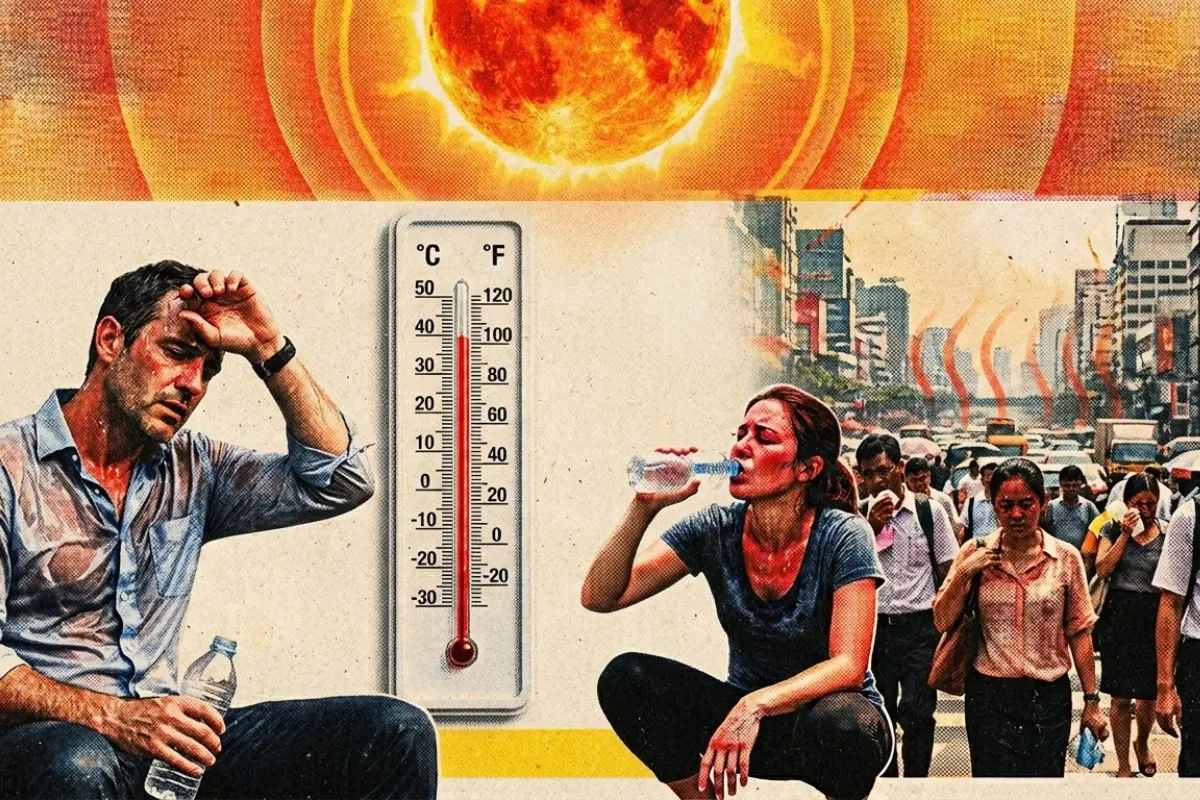
With large parts of north and central India baking under an intense heatwave and temperatures in cities like Delhi nearing 45°C, doctors and health experts are warning that extreme heat is far more dangerous than simple summer discomfort.
Beyond dehydration and exhaustion, prolonged exposure to very high temperatures can trigger a chain reaction inside the body that affects the heart, brain, kidneys and even blood cells. Medical researchers say the risks rise sharply once temperatures cross 40°C, especially for older adults and people with existing health conditions.
As the India Meteorological Department (IMD) continues to issue heat alerts, health authorities are urging people to understand what extreme heat actually does to the body and how to stay safe.
What happens to the body during extreme heat?
The human body constantly works to maintain a stable internal temperature. But during severe heatwaves, especially when humidity is also high, the cooling system begins to struggle.
When body temperature rises excessively, the body sweats more and redirects blood flow towards the skin in an attempt to cool down. This process puts enormous pressure on the heart and other organs.
Research published in recent medical journals, including Springer Nature and PubMed, shows that temperatures above 40°C can begin damaging the body at a cellular level.
Why experts call 40°C a dangerous threshold
Doctors say extreme heat does not simply make people feel uncomfortable. It can directly interfere with normal biological functions.
Cellular damage begins
According to researchers, very high body temperatures can damage cells and tissues directly. Certain blood cells, including platelets and granulocytes, are especially sensitive to heat stress.
This can trigger inflammation and abnormal blood clotting inside the body, increasing the risk of serious complications.
The heart works much harder in extreme heat
One of the biggest dangers during a heatwave is the strain placed on the cardiovascular system.
To cool the body, the heart pumps faster and circulates more blood towards the skin. Medical experts note that during extreme heat, the heart may need to circulate nearly twice as much blood per minute compared to normal conditions.
For healthy individuals, this can already feel exhausting. But for people with:
- high blood pressure
- heart disease
- diabetes
- kidney disorders
- lung conditions, the added strain can become dangerous.
Doctors warn that heat stress may increase the risk of:
- arrhythmias
- heart attacks
- strokes
- worsening heart failure
Why dehydration becomes so dangerous
Dehydration is one of the biggest reasons heatwaves turn life-threatening.
The body loses fluids rapidly through sweating. If those fluids are not replaced quickly enough, blood circulation becomes less efficient and organs begin struggling to function properly.
Experts say dehydration can affect:
- kidney function
- blood pressure regulation
- brain function
- body temperature control
People taking certain medications, including diuretics, sedatives and blood pressure medicines, may face even higher risk during extreme heat.
Who is most vulnerable during a heatwave?
Health experts say some groups face significantly greater danger during prolonged heat exposure.
These include:
- adults above 50
- infants and young children
- pregnant women
- overweight individuals
- outdoor workers
- people with heart, lung or kidney disease
- people living alone, especially elderly individuals
Urban areas also face what experts call the “urban heat island effect”, where concrete structures trap heat and keep cities warmer even at night.
How to keep your home cooler
Health authorities recommend focusing first on reducing indoor heat exposure.
Use cooler night air wisely
Open windows during the night or early morning when outdoor temperatures are lower. This helps release trapped indoor heat.
Block sunlight during the day
Keep curtains, blinds or shutters closed on windows facing direct sunlight. Shades and drapes can significantly reduce indoor heating.
Be careful with fans
While fans can provide comfort, experts warn that when temperatures rise above 35°C, fans alone may not fully protect against heat-related illness.
Aim for safer indoor temperatures
Health guidance suggests keeping rooms ideally below:
32°C during the day
24°C at night
This becomes especially important for older adults and infants.
How to keep the body cool and hydrated
Wear breathable clothing
Loose-fitting cotton clothes allow heat to escape more easily. Wide-brimmed hats can also help during outdoor exposure.
Drink fluids regularly
Doctors advise drinking water consistently throughout the day, even before feeling thirsty.
It is best to avoid:
- excessive caffeine
- alcohol
- very sugary drinks, as these may worsen dehydration.
Eat lighter meals
Heavy or high-protein meals increase metabolic heat production. Smaller, lighter meals are easier on the body during extreme heat.
Use external cooling
Cool showers, wet cloths, cold packs and sponge baths can help lower body temperature effectively.
The safest hours for outdoor activity
Experts strongly advise avoiding outdoor activity during peak afternoon heat.
If physical activity or labour is unavoidable, the safest window is generally early morning, roughly between 4 am and 7 am, when temperatures are lower.
People whose homes remain excessively hot are also encouraged to spend time in air-conditioned public places such as malls, libraries or community centres.
Signs that heat illness is becoming an emergency
Doctors say heat-related illness can escalate quickly if warning signs are ignored.
Early warning symptoms include:
- dizziness
- headache
- weakness
- nausea
- anxiety
- heavy sweating
If these symptoms appear, move immediately to a cooler place and begin rehydrating with water or fruit juice.
When to seek urgent medical help
Emergency medical attention is needed if a person develops:
- hot, dry skin
- confusion or delirium
- seizures
- unconsciousness
- severe breathing difficulty
While waiting for help:
- move the person to a cool area
- elevate their legs slightly
- apply cold packs to the neck, armpits and groin
- place unconscious individuals on their side
Doctors also warn against giving aspirin or paracetamol during suspected heatstroke emergencies.
Why checking on others matters during heatwaves
Health authorities say heatwaves are not only individual emergencies but also community risks.
Elderly neighbours, people living alone and chronically ill individuals may struggle silently in extreme heat conditions.
Even a quick daily check-in can help prevent medical emergencies during prolonged periods of dangerous temperatures.
Medical experts warn that rising temperatures linked to climate change are making heatwaves more frequent, longer and more severe.