Watermelon seeds are more nutritious than you think: 5 reasons to add them to your diet
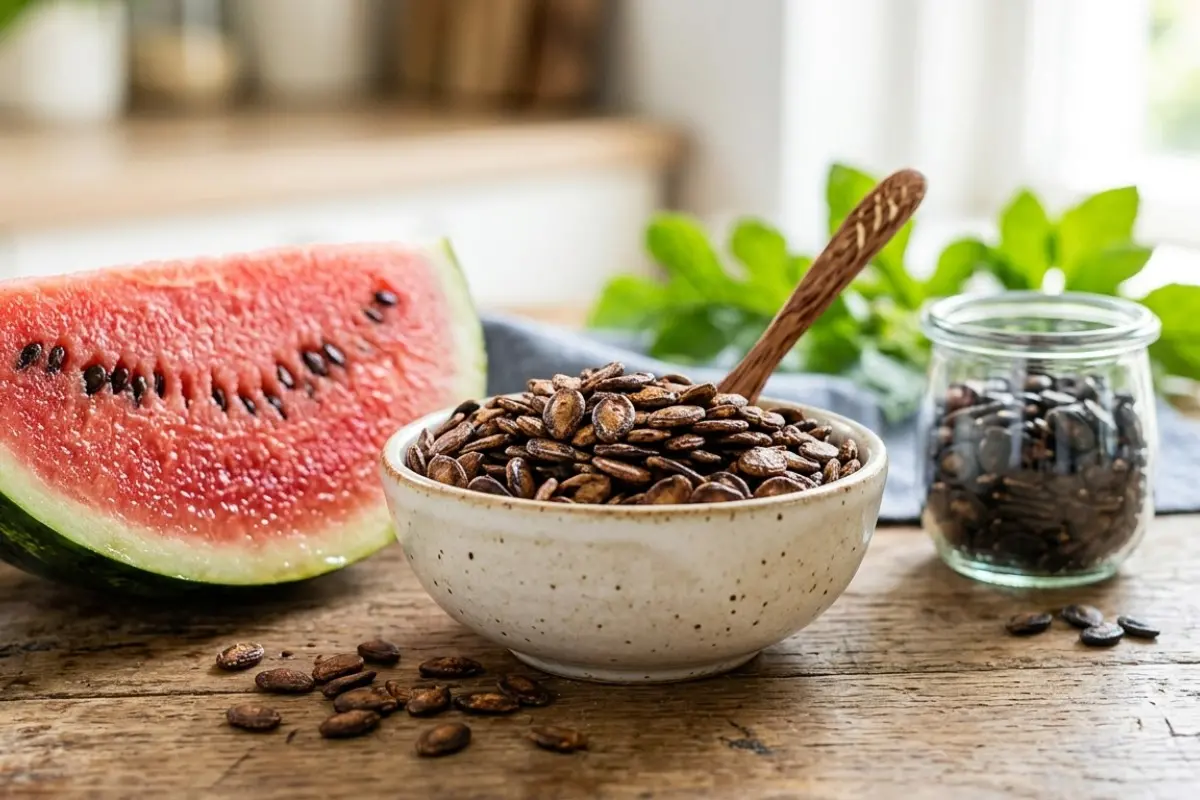
Watermelon is a summer favourite, but most of us eat the juicy flesh and throw the seeds away. Those little black seeds, however, contain protein, fats and minerals such as magnesium, iron, zinc and phosphorus.
Here are some reasons to give them a place in your diet.
They are a good source of plant protein
If you are looking for simple ways to add more protein to your meals, watermelon seeds can help. Research on watermelon seeds shows that they contain a substantial amount of protein, although the exact nutritional composition can vary depending on the variety and how the seeds are processed. You can roast the seeds and add them to a bowl of yoghurt, oats or a homemade trail mix.
They contain magnesium
Magnesium is involved in several important processes in the body, including normal muscle and nerve function and energy metabolism. Watermelon seeds are a notable dietary source of this mineral. Adding a small amount to your diet is an easy way to bring another magnesium-containing food into your meals.
Also Read: Bloating, acidity or sluggish digestion? Try these 7 spice waters
You can sprinkle roasted watermelon seeds over a salad or use them as a crunchy topping for soups.
They provide iron and zinc
Watermelon seeds also contain minerals including iron and zinc. Iron is needed for making haemoglobin, while zinc plays a role in immune function, wound healing and normal cell function.
However, it is important not to treat watermelon seeds as a replacement for an iron supplement or as a treatment for anaemia. The amount you get depends on how many seeds you eat, and the body does not absorb all the iron present in plant foods equally.
You can add crushed roasted watermelon seeds to a homemade seed mix with sesame or pumpkin seeds.
They contain unsaturated fats
Watermelon seeds are relatively rich in fat, including unsaturated fatty acids. Fat is an important part of a balanced diet and helps the body absorb certain fat-soluble vitamins.
Because seeds are energy-dense, though, you do not need to eat large quantities to benefit from them.
Keep roasted seeds in an airtight container and use a spoonful as a topping for salads, porridge or vegetable dishes.
They can make a simple, crunchy snack
Perhaps the easiest reason to eat watermelon seeds is that they can be turned into a snack with very little effort. Roasting gives them a crisp texture, making them an alternative to highly processed snack foods. Healthline also notes that roasted watermelon seeds can be eaten as a snack and provide nutrients including magnesium and iron.
Also Read: Why should you eat sunflower seeds? 6 health benefits to know
You can roast them plain or add a little seasoning, depending on your preference.
How to eat watermelon seeds
Roasted: Wash and dry the seeds, then roast them until crisp. Season lightly with salt or your favourite spices.
As a topping: Add them to salads, soups, yoghurt, porridge or smoothie bowls.
In trail mix: Combine roasted watermelon seeds with nuts, dried fruit or other seeds.
Ground: Grind roasted seeds and add a small amount to homemade energy bites or other recipes.
Although watermelon seeds are nutritious, but more is not necessarily better. They are calorie-dense because they contain considerable amounts of fat, so portion size still matters.
Also Read: Supplements people may need to fill nutritional gaps
Their nutritional composition can also vary depending on the variety and whether they are raw, dried, roasted or processed.
(Disclaimer: This article is for general informational purposes only and is not a substitute for medical or dietary advice. Always consult a qualified healthcare professional before making new changes to your diet.)