There’s a reason why yogis sit cross-legged for meditation, and it’s not spiritual
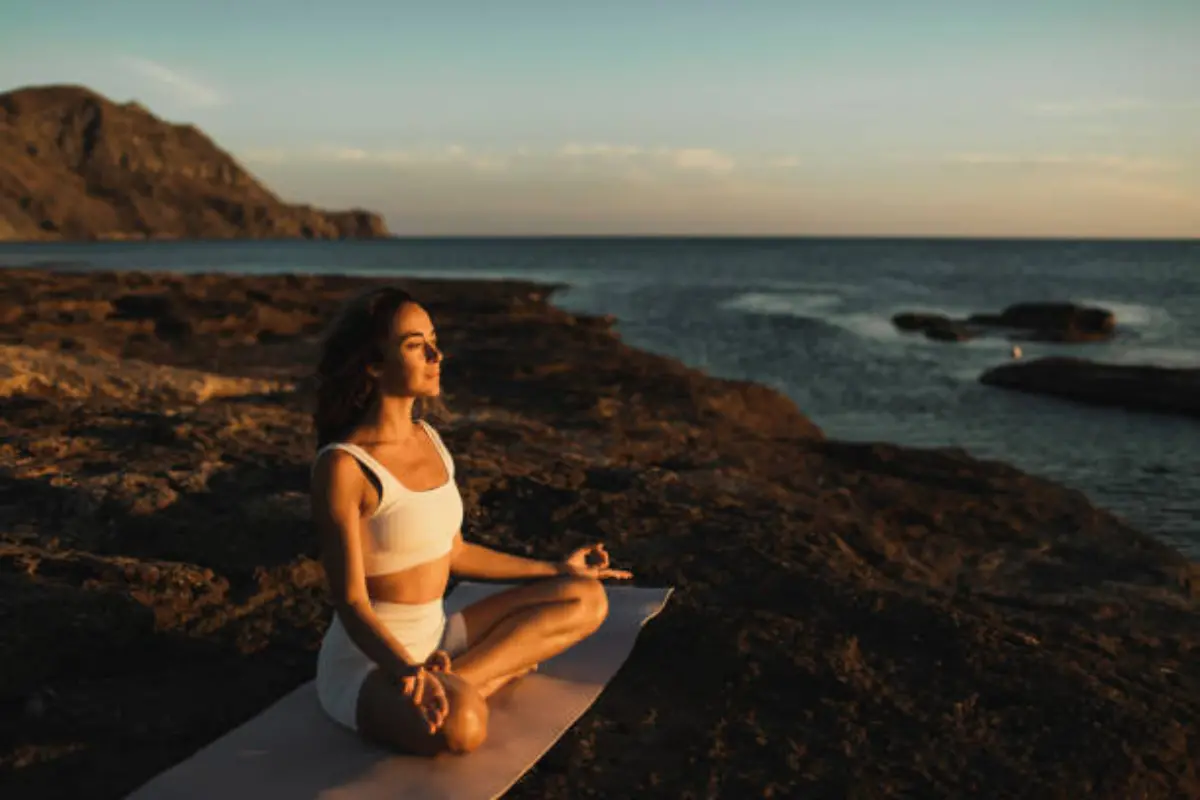
Ask most people why meditators sit cross-legged and they'll say something about tradition, spirituality, or that's just how it's done. But the actual story behind the lotus pose is far more practical and older than most people realize.
A posture thousands of years in the making
The cross-legged lotus position, known as Padmasana, is among the oldest meditation postures on record, tracing back thousands of years to ancient India.
Long before it became a wellness-app icon, it was a functional tool for practitioners trying to sit still for hours on end.
Yoga's foundational texts don't describe the ideal meditation seat in mystical terms at all. Patanjali's Yoga Sutras simply call for a seat that is steady and comfortable, the logic being that a body locked into a stable, balanced position stops distracting the mind, freeing it to actually settle.
Also Read: Soha Ali Khan asks, is the monsoon causing your hair fall? An expert has the answer
Why this particular shape works
There's a reason this pose specifically, and not just any seated position, became the standard. Crossing the legs creates a wide base that resists the small shifts and fidgets that pull attention away from stillness.
It holds the spine upright without needing a chair or wall for support, and it keeps the body low and grounded, a physical state many traditions link directly to mental calm.
Historical texts back up how central this posture became early on. The Nisvasattvasamhita Nayasutra, one of the earliest surviving texts to specifically address meditation posture and dated somewhere between the 6th and 10th centuries, instructs practitioners to take up the lotus pose or something close to it.
By the time of the 8th-century Patanjalayogashastravivarana, the pose had been named outright, making it one of the first yoga postures to receive formal recognition.
The practical genius behind an "ancient" choice
Ancient yogis weren't choosing this pose for symbolic reasons. With the legs locked into place, the body has no room for restless movement, which matters during meditation sessions that could stretch on for hours.
Less fidgeting meant the senses could turn inward instead of constantly reacting to physical discomfort.
Modern practitioners and researchers add a physiological layer to this old habit, pressing the pelvis firmly into the ground in this position is thought to stimulate nerves near the base of the spine, triggering the parasympathetic nervous system, the body's built-in relaxation switch.
Also Read: Supplements people may need to fill nutritional gaps
Where the name comes from
The ‘lotus’ in Lotus Pose is Sanskrit. ‘Padma’ means lotus, and ‘asana’ means seat or posture. The metaphor runs across Hindu, Buddhist, and Jain thought, the lotus grows rooted in muddy water yet rises to bloom untouched above the surface, a symbol of rising toward clarity and growth despite difficulty.
So the next time someone folds their legs into a meditation seat, it's worth remembering, that shape has survived over a thousand years not because it looks peaceful, but because it works.