Teething tips every parent should know: Food, remedies and myths
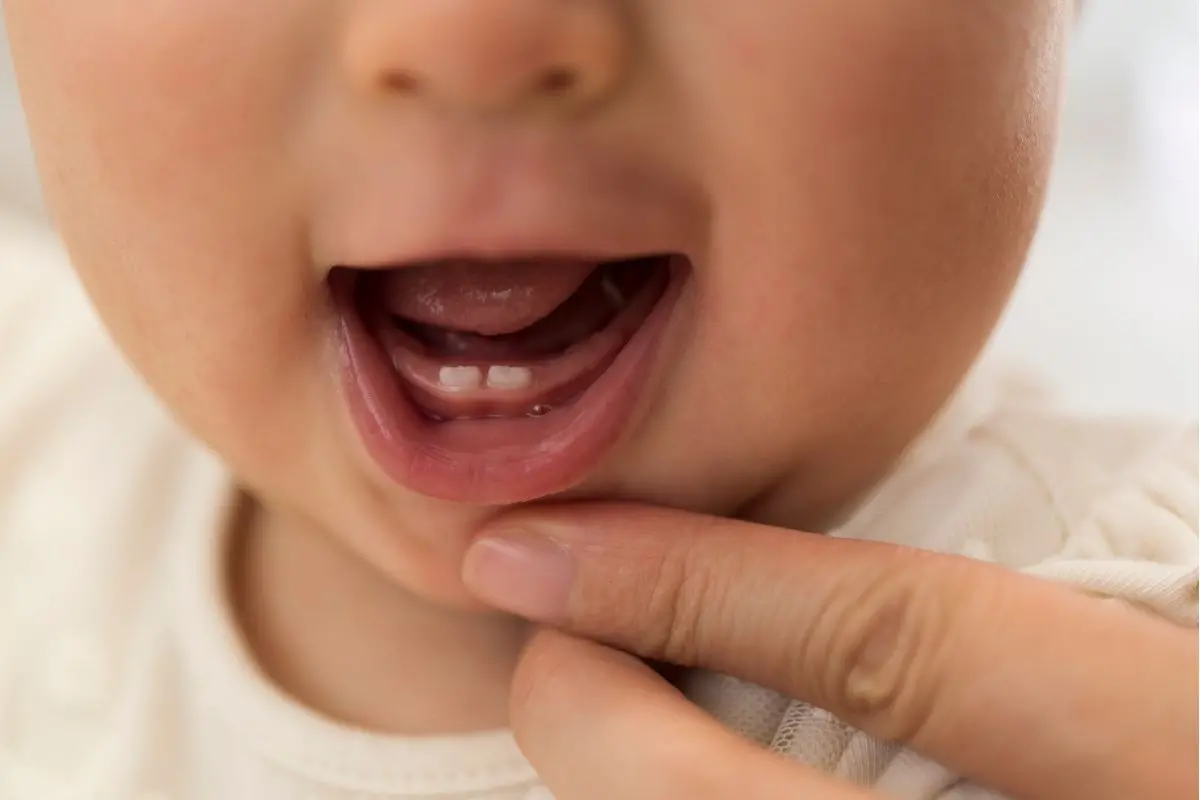
Teething is a natural milestone in every baby’s growth, typically beginning at 6 months of age. Though it often brings discomfort for infants and challenges for parents, it is an essential part of development.
By understanding the timing, common symptoms, safe remedies, and the right nutritional support, parents can help ease this stage while steering clear of myths and unsafe practices. In a conversation with Mathrubhumi English Dotcom, Dr M. Muraleedharan, Chief Editor of IMA Nammude Aarogyam and Consultant Paediatrician at Asha Hospital, Vadakara, shares valuable insights on teething and how to ensure the well-being of little ones during this phase.
Timing of teething
Teething usually begins around six months of age, although it can start as early as four months and as late as 10 months.
The first teeth to appear are typically the lower central incisors. These are followed by the upper central incisors at around eight months. The upper lateral incisors usually emerge between nine and 12 months, while the lower lateral incisors appear between 10 and 14 months.
Next come the first molars, which typically arrive around 13 to 16 months. The canines usually appear between 16 and 20 months, and the second molars emerge last, between 23 and 33 months.
This staggered timeline helps parents anticipate and understand their child’s teething stages more clearly.
Duration of teething
The full primary teething process typically lasts until about 2½ to 3 years of age. Meanwhile, most children will have all 20 primary (milk) teeth.
Symptoms of teething
The doctor clarified that common symptoms of teething include drooling, swollen or tender gums, mild irritability, chewing on objects, disturbed sleep, a decreased appetite, and rubbing of cheeks.
Some prevalent myths about teething
“A very common myth about teething is that it causes severe fever, diarrhea, or rashes. These are not due to teething and should never be ignored. While a mild temperature rise may occur, persistent fever or illness should always be diagnosed by a doctor,’’ He added.
Safe and effective remedies to ease discomfort during teething
While speaking about some safer remedies, he pointed out that parents can offer their children silicone teethers, gently massage the gums with a clean finger, or give cold (not frozen) teething rings; breastfeeding is also recommended. If discomfort is severe, paracetamol may be given after consulting a pediatrician.
Types of foods which are safe for teething children
As per the insights from the doctor soft and easily digestible foods, such as mashed banana, cucumber sticks, apple slices, pear pieces, and cooked potatoes without sugar or salt, are safe. However, children under 1 year should avoid hard chewing. Avoid raw fruits which are hard to chew.
Chilled fruits to soothe teething pain
He further suggested that chilled fruits can be soothing, but parents should ensure they are cut into safe, baby-friendly sizes and are not frozen but just chilled ones to prevent choking. The fruits should always be fresh, clean, and given under supervision.
Teething rusks and biscuits
Teething rusks and biscuits may provide some chewing relief, but most commercial versions are high in sugar and can promote cavities. They also pose a choking hazard. Therefore, generally, they are not recommended for children under the age of 1 year.
Homemade alternatives to commercial teething snacks
He further encourages parents to prepare soft, homemade finger foods such as steamed vegetable sticks, fruit pulp, or chilled carrot sticks for older babies who can chew safely. These are healthier and avoid added sugars or preservatives.
To ensure proper nutrients for babies during teething
Babies may eat less during teething, so nutrient-rich foods are important. Offering mashed fruits, soft vegetables, and protein-rich foods like ragi, spinach and oranges as recommended by a paediatrician, which ensures balanced nutrition. Breast milk or formula should continue as the main source of nutrition for infants under 1 year.
Toxicity of traditional remedies
“Clove oil and herbal powders are burning for gums, and children are very sensitive to such substances. They can cause irritation, toxicity, or infections. I strongly discourage these practices,” He added.
Some suggestions for parents
The most important thing is to stay calm and patient. Teething is a natural phase and will pass.
Parents should provide safe teething aids, ensure proper oral hygiene, and avoid unsafe remedies. If pain is severe, consult a pediatrician. With proper care, children will pass through this stage comfortably.