Is your scalp burning in the sun? Why it happens and how to stop it
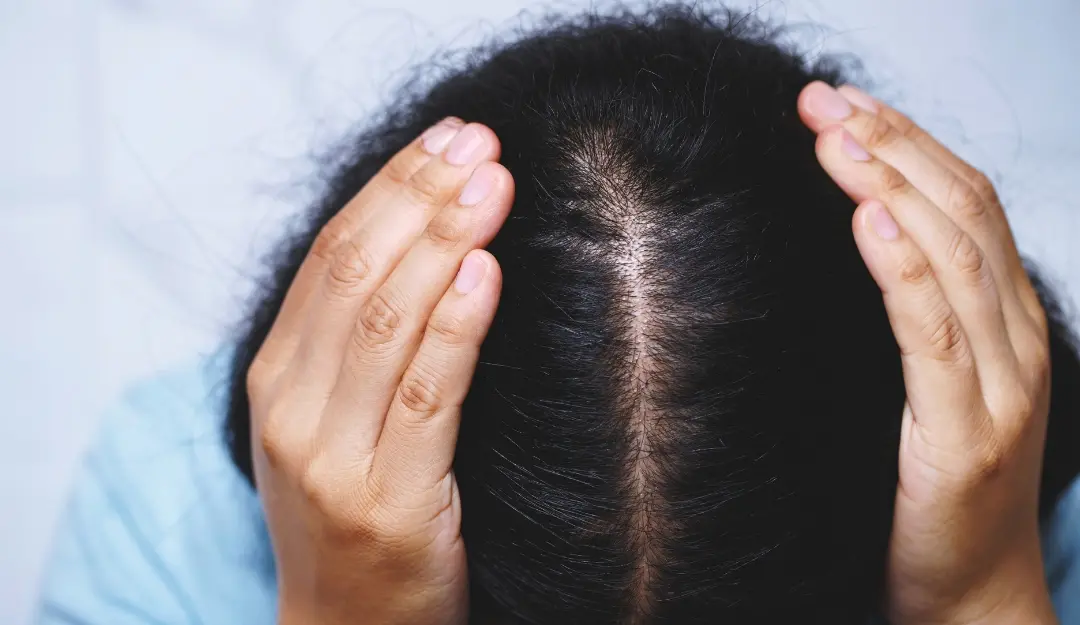
As temperatures soar during summer, sunburn becomes a common concern. However, one often-overlooked area is the scalp, which can also suffer serious damage from prolonged UV exposure.
What is a sunburnt scalp?
A sunburnt scalp—medically known as solar dermatitis—refers to sunburn occurring on the top of the head. According to a cosmetic plastic and hair transplant surgeon and Medical Director at DHI India, this condition can affect anyone, regardless of skin tone or hair type. It is just as painful and potentially harmful as sunburn elsewhere on the body.
Symptoms to watch for:
Redness and tenderness on the scalp
A sensation of warmth or burning
Dry, flaky, or peeling skin (typically within 7–10 days)
Blisters, swelling, and in some cases, nausea (in severe sunburn)
What causes it?
Prolonged sun exposure without protection is the primary cause. Those with thinning hair or baldness are especially vulnerable. Other risk factors include:
Living in high UV-index areas
Fair skin or a family history of skin cancer
Exposure near reflective surfaces like water, sand, or snow
Potential consequences:
Premature ageing of the scalp skin
Heightened risk of skin cancer, including melanoma
Hair thinning or loss due to damage to hair follicles
How to prevent a sunburnt scalp:
Wear a wide-brimmed hat or UV-protective headwear
Apply broad-spectrum scalp sunscreen with SPF 30 or higher
Limit outdoor exposure during peak UV hours (10 a.m. to 4 p.m.)
Avoid tanning beds and artificial UV sources
Seek shade whenever possible
What to do if your scalp is already sunburnt:
Avoid further sun exposure
Stay well hydrated
- Apply soothing products like aloe vera or calamine lotion
- Take cool showers to ease discomfort
While often overlooked, scalp sunburn can have lasting effects. Using proper sun protection and being vigilant about scalp health can go a long way in preventing serious damage.
(Disclaimer:This article is intended for informational purposes only and should not be considered a substitute for professional medical advice, diagnosis, or treatment.)