Severe period pain isn’t always normal: Could genes raise endometriosis risk?
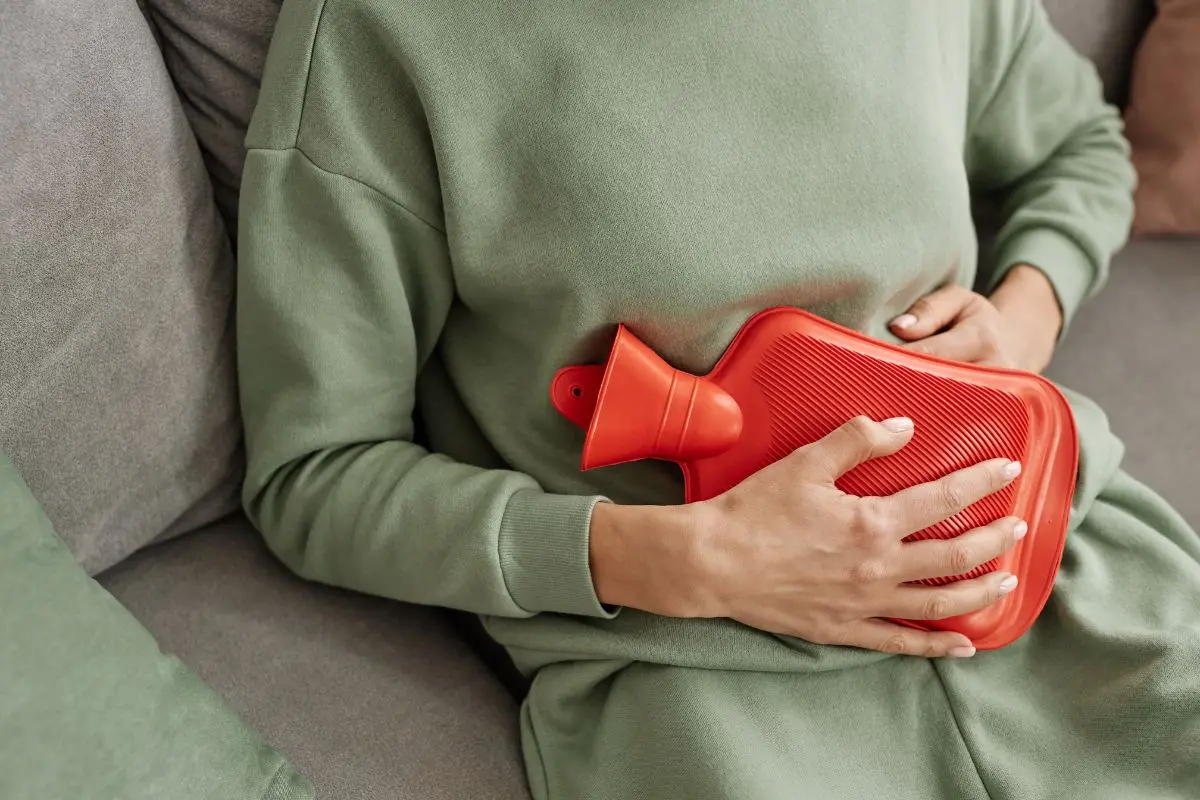
Severe or persistent period pain should not always be dismissed as a normal part of menstruation, as it could be a sign of endometriosis, a chronic condition that can affect fertility and significantly impact quality of life, doctors said.
Experts said growing evidence indicates that genetic and epigenetic factors may influence a woman's susceptibility to endometriosis, underlining the importance of awareness and early diagnosis.
"Symptoms of period pain are often dismissed as 'normal' because many of us lack awareness of a condition called endometriosis. It is a painful condition where tissue like the womb lining grows outside the uterus. It affects 1 in 10 women and girls, often causing severe period pain, pelvic pain, and infertility," said Dr Priti Arora Dhamija, senior consultant, Obstetrics and Gynaecology and Fertility expert at Sitaram Bhartia Institute of Science and Research.
Dhamija said women in India often wait seven to 10 years for a diagnosis, partly because doctors lack simple tools to identify the condition at an early stage.
Such delays can result in worsening pain, missed school or work and a decline in quality of life.
Over the past decade, epigenetics has emerged as an important area in understanding the development of endometriosis, Dhamija said.
"Epigenetic modifications, including DNA methylation, histone modifications and chromatin remodelling, can alter gene expression without changing the underlying DNA sequence. India's pluralistic health system and lack of referral systems creates a gap that forces women to navigate multiple providers, including traditional healers and alternative practitioners, increasing complexity and financial burden," she said.
Dr Jyotsna Suri, head of the Department of Gynaecology and Obstetrics at Safdarjung Hospital, Delhi, said endometriosis cannot be attributed to genetics alone.
"Women with a close family member affected by endometriosis may have a higher risk, but genes are only one piece of the puzzle. Increasing evidence suggests that genetic susceptibility interacts with hormonal and inflammatory pathways as well as environmental factors to influence whether the disease develops and how severely it manifests," she said.
Epigenetic changes could also contribute to the disease by affecting how genes are expressed without altering the underlying DNA sequence, she said.
"Importantly, severe period pain should never be dismissed as something a woman simply has to live with. Pain that disrupts daily life, pain during intercourse, persistent pelvic pain or difficulty conceiving warrants medical evaluation. Recognising the symptoms early can shorten the diagnostic journey, reduce years of unnecessary suffering and help preserve reproductive health," Dr Suri highlighted.
Dr Bindu Bajaj, consultant in the Department of Gynaecology and Obstetrics at Safdarjung Hospital, stressed the importance of raising awareness among adolescents and their families, noting that painful periods can begin early and may worsen over time.
"Endometriosis should be considered when menstrual pain is severe, recurrent or progressively worsening, particularly when routine painkillers provide little relief or the pain affects school, work, sleep or social activities," Dr Bajaj said.
The condition may also cause pain during bowel movements or urination around menstruation and, in some cases, fertility problems later.
"There is no single simple test that can identify every case, and diagnosis often requires a detailed menstrual and medical history, clinical examination and appropriate imaging. A family history should prompt greater vigilance, but the absence of such a history does not rule out the disease.
"The message for women is simple: disabling period pain deserves medical attention and should not be normalised," she said.
Doctors said further research into genetic and epigenetic mechanisms could eventually help identify women at greater risk, enable closer monitoring and support more personalised approaches to treatment.