Ways to trick yourself into eating better: Simple science-backed habits that actually work
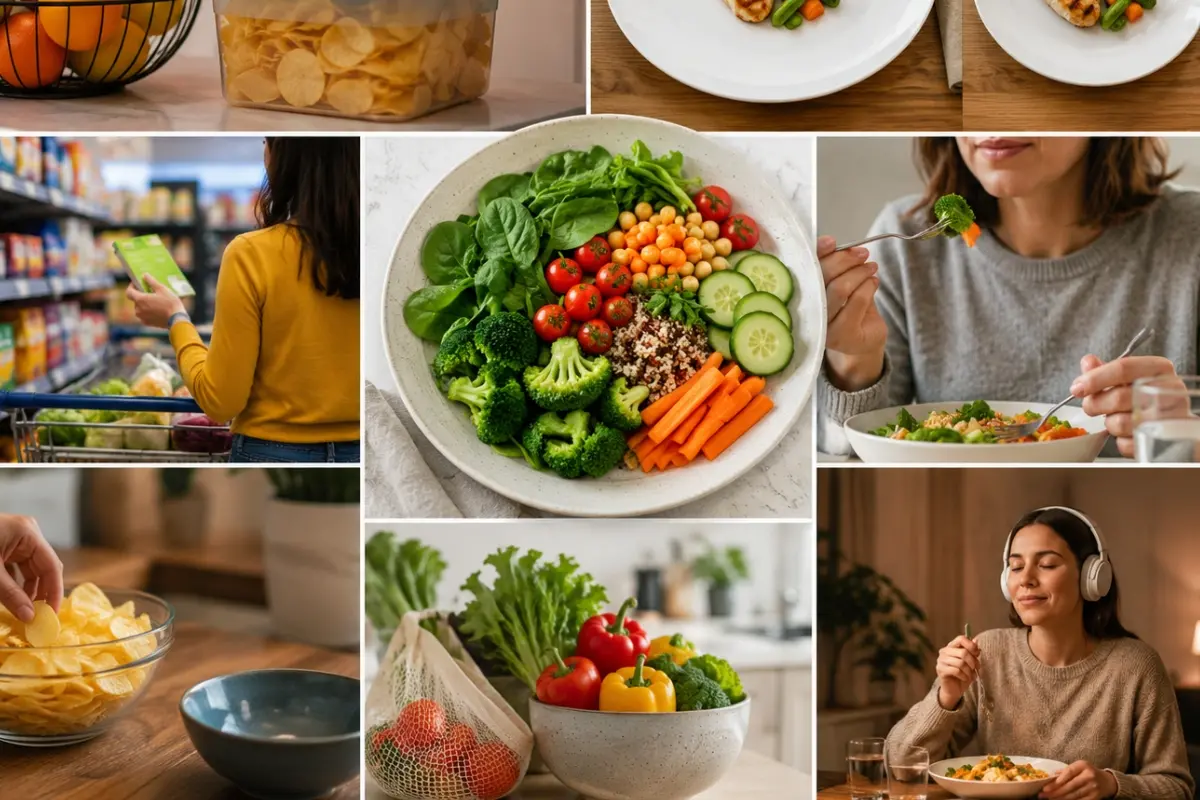
Eating healthier is often seen as a matter of willpower, but research suggests our food choices are heavily influenced by our surroundings, senses and habits. By making a few simple changes, it may be possible to encourage healthier eating without feeling deprived.
Many people believe they make conscious decisions about what they eat. In reality, psychologists and nutrition researchers say much of our eating behaviour is driven by automatic responses to visual cues, convenience and sensory experiences.
Studies show that small changes in our environment can influence what we eat, how much we consume and even how satisfying we find a meal. Rather than relying entirely on self-control, experts recommend making healthy choices easier and unhealthy choices less convenient.
ALSO READ | PCOS is now being called PMOS - And it changes how we understand women’s health
1. Keep healthy foods visible
One of the simplest strategies is changing what is within easy sight. Research suggests people are more likely to eat foods they see regularly.
Keeping a bowl of fruit on the kitchen counter or storing cut vegetables at eye level in the refrigerator can increase the chances of choosing them as snacks. At the same time, storing biscuits, crisps and sweets in opaque containers or on higher shelves can reduce temptation by adding a small barrier between the craving and the action.
2. Use plates to your advantage
The size of a plate can influence how much food people believe they are eating. This phenomenon, known as the Delboeuf illusion, causes portions to appear larger on smaller plates and smaller on larger plates.
As a result, a normal meal served on a smaller plate may feel more satisfying, while large bowls can encourage people to serve themselves more vegetables and salads without feeling restricted.
3. Focus on adding, not restricting
Nutrition experts often recommend pairing healthier foods with indulgent treats rather than banning favourite foods altogether.
For example, eating a portion of vegetables before a slice of pizza can help increase fullness while reducing the likelihood of overeating. This approach may also prevent feelings of deprivation that often accompany strict diets.
4. Never eat directly from the packet
Eating snacks straight from a large bag or container can make it difficult to judge portion sizes. Without a clear visual cue, people often consume more than intended.
Serving snacks into a bowl or plate creates a natural stopping point and encourages a more mindful decision about whether to continue eating.
5. Be mindful while shopping
Food choices often begin at the supermarket rather than at the dining table. Bright packaging, product placement and tempting displays can strongly influence purchasing decisions.
Research shows shoppers are more likely to choose products placed at eye level or near checkouts. Looking beyond the most visible shelves and shopping with a prepared list can help reduce impulse purchases.
Some experts also suggest chewing mint gum before shopping, as strong mint flavours may reduce the appeal of bakery items and other tempting foods.
ALSO READ | How to choose the right magnesium Supplement: Experts warn against following social media trends
6. Your senses influence every bite
Scientists say flavour is not determined by taste alone. Sight, smell, touch and even sound play important roles in shaping food experiences.
Research has found that food presentation can affect how enjoyable a meal seems. Colourful and visually appealing arrangements of vegetables can increase their attractiveness, while heavier bowls and cutlery may make meals feel more satisfying.
Music can also have an impact. Slower music may encourage slower eating, which is linked to lower calorie intake and improved awareness of fullness.
7. Increase volume, not calories
One effective strategy is to increase the volume of meals using vegetables and other low-calorie ingredients. Studies have shown that people often eat a consistent volume of food regardless of its calorie content.
Adding ingredients such as spinach, cauliflower or other vegetables to dishes can maintain portion sizes while lowering overall calorie intake, helping people feel full without consuming excess energy.
Why healthy habits matter
Experts say the key to healthier eating is not necessarily stronger willpower but smarter design. By making nutritious foods easier to choose and reducing exposure to unhealthy triggers, people can create an environment that naturally supports better decisions.
In many cases, the healthiest choice becomes the easiest choice — and that may be more effective than relying on motivation alone.