These questions can stop stress from taking over you
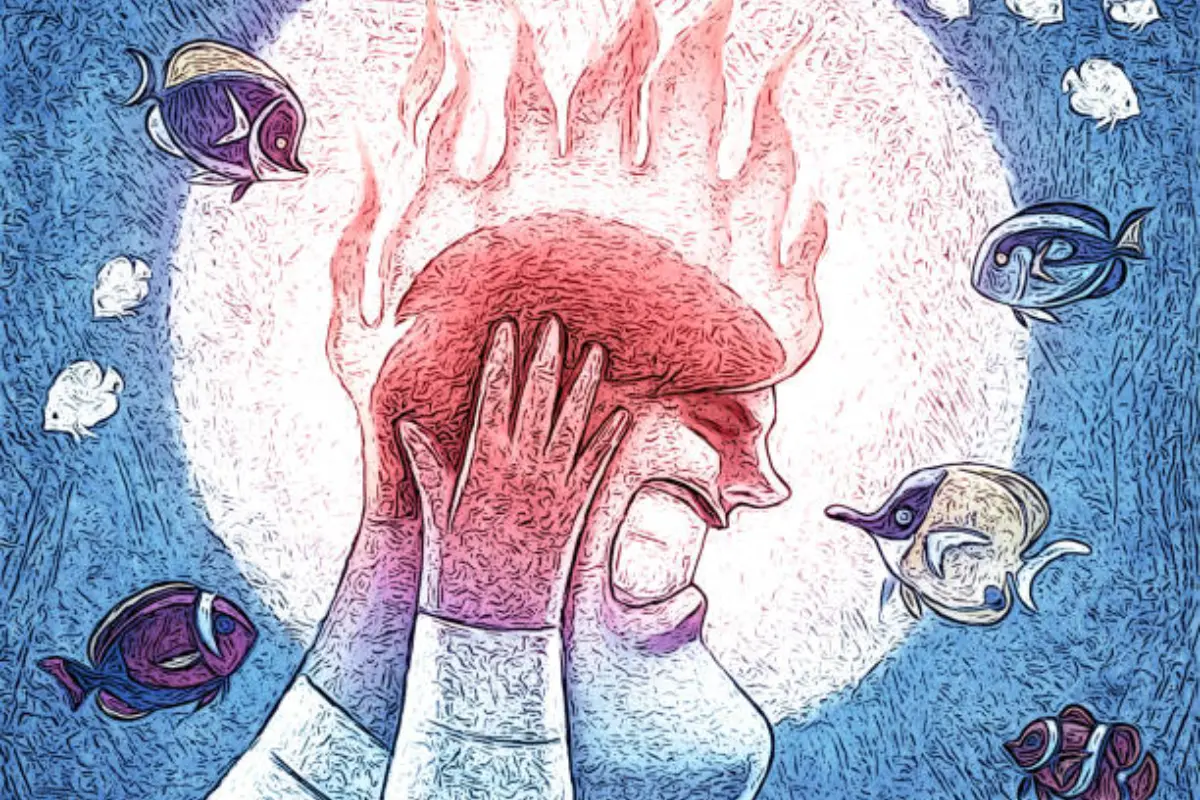
Psychologists call this catastrophizing. Our tendency to imagine the worst possible outcome. It's a common response to uncertainty, but it can leave us feeling trapped by problems that haven't even happened.
Martin Seligman, director of the Penn Positive Psychology Centre and one of the founders of positive psychology, has spent decades studying what makes people resilient. His research suggests that resilience isn't about avoiding setbacks. It's about how we explain them to ourselves.
When your thoughts begin to spiral, these three questions can help bring them back into focus.
Where do I still have control?
Stress often pushes our attention toward everything we can't change. The outcome. Other people's decisions. The endless "what ifs."
Instead, Seligman suggests looking for ‘agency’, the part of the situation that's still yours to influence.
Maybe you can ask for help, gather more information, apologise, make an appointment or simply decide what your next step will be. Even a small action interrupts the feeling of helplessness.
Author Eric Zimmer says he prefers thinking of difficult situations as puzzles rather than problems. A puzzle assumes there's an answer somewhere. You just haven't found it yet.
Is this one problem or my whole life?
One setback has a habit of colouring everything else.
A relationship ends and suddenly you feel unlovable. A project fails and you start questioning your abilities altogether. The mind is quick to mistake one difficult chapter for the entire story.
Seligman's research describes this as ‘pervasiveness,’ the tendency to let a single event define every part of your life.
Take a step back and ask yourself what remains untouched by the problem. Chances are, far more is still going right than your anxious mind is willing to admit.
Zimmer experienced this after the solar energy business he founded eventually closed. At first, he saw himself as a failure. With time, he realised the business had failed. He hadn't. There's a difference.
Will this still matter a month from now?
When we're anxious, everything feels permanent.
That's why Seligman encourages people to ask whether the situation is temporary or lasting.
Zimmer uses a simple version of this exercise: Will this bother me in five hours? Five days? Five weeks?
The answer doesn't minimise the problem. It simply puts it into perspective.
If the issue is temporary, you may only need patience. If it will still matter weeks from now, it's probably worth your energy and attention. Either way, you're responding to the situation itself, not the story anxiety has written around it.
The goal isn't to stop worrying altogether. It's to stop letting your worst assumptions take the driver's seat. Sometimes all it takes is a better question to realise that the situation isn't as big or as permanent as it first seemed.