Is pink salt overhyped? What experts want you to know
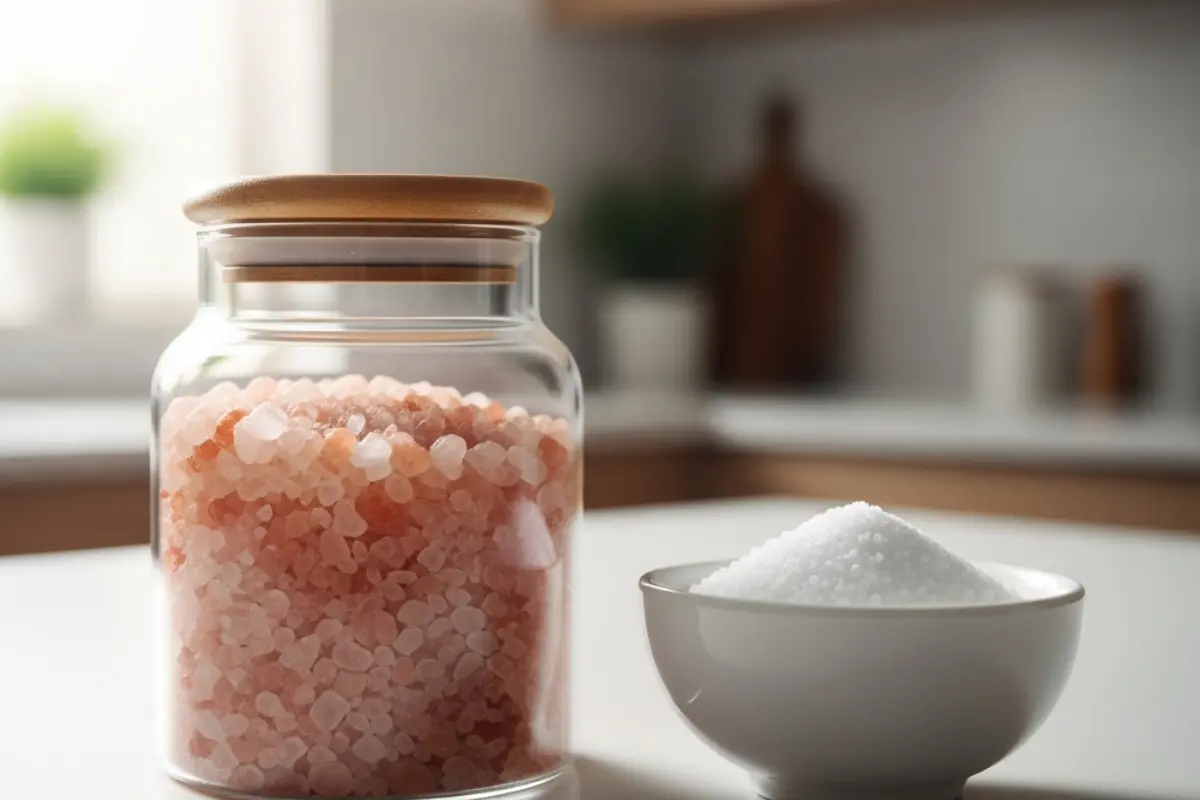
If your kitchen shelf now features a jar of pink Himalayan salt instead of the usual white crystals, you are not alone. From Instagram reels to wellness blogs, it is often presented as a cleaner, more natural alternative to regular table salt. But is pink salt really healthier, or has clever marketing convinced us it is?
The Iodine factor most people overlook
One major concern with replacing table salt entirely is iodine. Regular table salt is commonly iodised, meaning iodine is added to it.
Iodine is an essential nutrient that supports thyroid function and overall hormonal balance.
Experts warn that relying solely on pink salt may create a false sense of nutritional security. While people assume they are gaining extra minerals, they may actually be losing out on iodine, which plays a crucial role in maintaining thyroid health.
Health professionals point out that regular table salt was iodised specifically to prevent iodine deficiency disorders. In the 1960s, iodine deficiency was a serious public health issue in India. It contributed to thyroid dysfunction, complications during pregnancy and impaired brain development in children.
The introduction of universal salt iodisation significantly reduced these problems.
In India, the iodisation of salt was made mandatory, and cases of iodine deficiency dropped sharply after this measure was implemented.
While sea salt, pink salt and other mineral salts may suit certain dietary preferences and appeal to those following trending diets, completely replacing iodised salt with non-iodised varieties can unintentionally lower iodine intake.
Iodine remains essential for proper thyroid function and helps reduce the risk of thyroid disorders. Removing it from your daily diet without medical guidance may have long-term consequences.
The mineral myth around Pink salt
Pink salt is often promoted for its trace mineral content. Supporters claim it contains extra nutrients that ordinary table salt lacks. However, nutrition specialists explain that while pink salt does contain small amounts of minerals, they exist in such tiny quantities that they offer no meaningful health benefit.
To obtain any significant nutritional advantage from these trace minerals, a person would have to consume extremely large amounts of pink salt. That level of intake would not only be impractical but also unhealthy, considering excessive salt consumption carries its own risks.
As a result, the supposed health edge of pink salt appears to be driven more by marketing appeal than solid scientific evidence.
The cost question
Beyond health considerations, there is also a practical factor to consider. Pink salt is often priced at nearly double the cost of regular table salt. For many households, this makes it a more expensive choice without delivering clear nutritional benefits.
So which salt should you choose?
For everyday cooking and long-term health, iodised table salt continues to be affordable, widely available and nutritionally dependable. Pink salt can certainly be used for flavour or aesthetic appeal, but experts suggest it should not replace iodised salt entirely unless iodine intake is being adequately managed through other dietary sources.
(Disclaimer:This article is intended for general awareness and informational purposes only. It does not replace professional medical advice, diagnosis, or treatment. Please consult a qualified healthcare professional before making significant dietary changes.)