Lifestyle changes vital to prevent second heart attack, says study
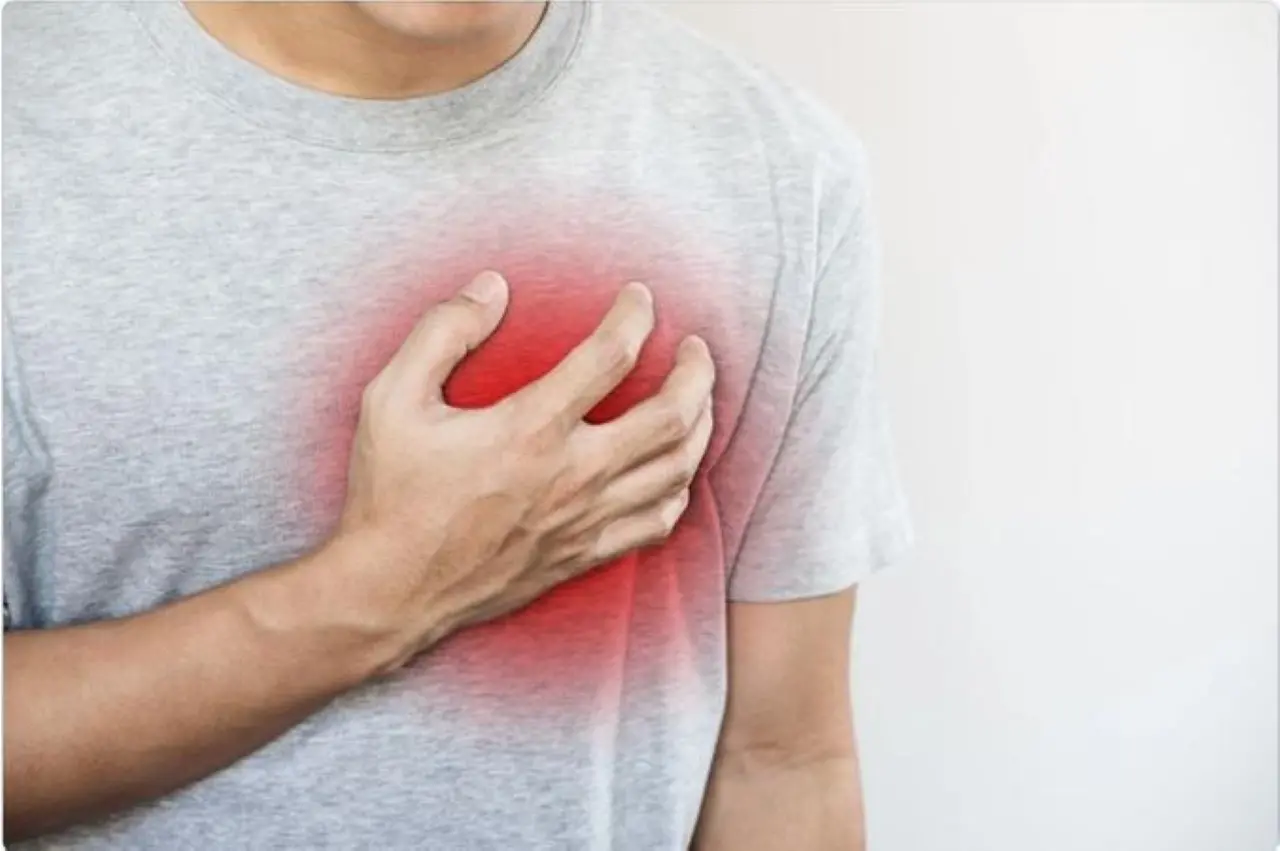
The American Heart Association warns that one in five people who have already experienced a heart attack is likely to face another within five years. Heart attacks can also lead to serious conditions such as arrhythmia and sudden cardiac arrest.
A new study highlights the importance of lifestyle modifications in reducing the risk of repeat heart attacks. Conducted by Dr Keith Diaz, Associate Professor at Columbia University Medical Centre, New York, the findings have been published in the journal Circulation: Cardiovascular Quality & Outcomes.
According to the study, people who adopt a sedentary lifestyle after surviving a heart attack are far more vulnerable to experiencing another. Meanwhile, engaging in just 30 minutes of moderate physical activity each day, along with getting enough quality sleep, can lower this risk.
The study closely monitored the physical activity patterns of 600 heart attack survivors, ranging in age from 21 to 96. One of the key discoveries was that many survivors feared physical exertion, avoiding exercise and spending most of their day sitting. Dr Diaz states that this lack of movement is a major risk factor for a second cardiac event.
Participants who were inactive for 13 hours or more per day had nearly twice the risk of suffering another heart attack or related complications within a year. Remarkably, many people who exercised for 30 minutes a day continued to be sedentary for the remainder of the day, which is still harmful to heart health.
However, the positive part is that those who stayed physically active throughout the day, in addition to their regular exercise, had a 50% lower chance of a second heart attack. Interestingly, the researchers also found that taking a short nap, even for 30 minutes, was more beneficial for the heart than spending that time idle, especially in front of screens. Resting helps the body recover and supports overall cardiovascular wellness.
How to recognise early signs of heart disease
Heart disease, like many lifestyle-related conditions, develops gradually over time. It may take 10 to 20 years or longer for fatty deposits to significantly clog the coronary arteries. In some cases, warning signs begin to appear as early as one's 20s but often go unnoticed due to the absence of clear symptoms in the early stages.
Even routine health checkups may not catch heart problems in their infancy. Over time, however, the body may start showing subtle signs, though they are easy to miss. Most people only realise something is wrong when classic heart disease symptoms become obvious.
Some early signs to look out for include:
- Rapid heartbeat during walking
- Chest discomfort when lifting or performing tasks
But there are also less typical symptoms that can signal trouble:
- Excessive or inexplicable fatigue
- Tingling or discomfort in the left arm during physical effort
- Excessive sweating without a proper reason
- A sense of tightness or pain around the neck
- Faintness or dizziness during physical activity
- Chest uneasiness that improves with rest
Anyone experiencing these symptoms, especially during or after exertion, should seek medical advice without delay. Dismissing these signs as just indigestion or gas can lead to serious consequences.