India’s ‘smart’ cancer drug RK-251, could it replace chemotherapy?
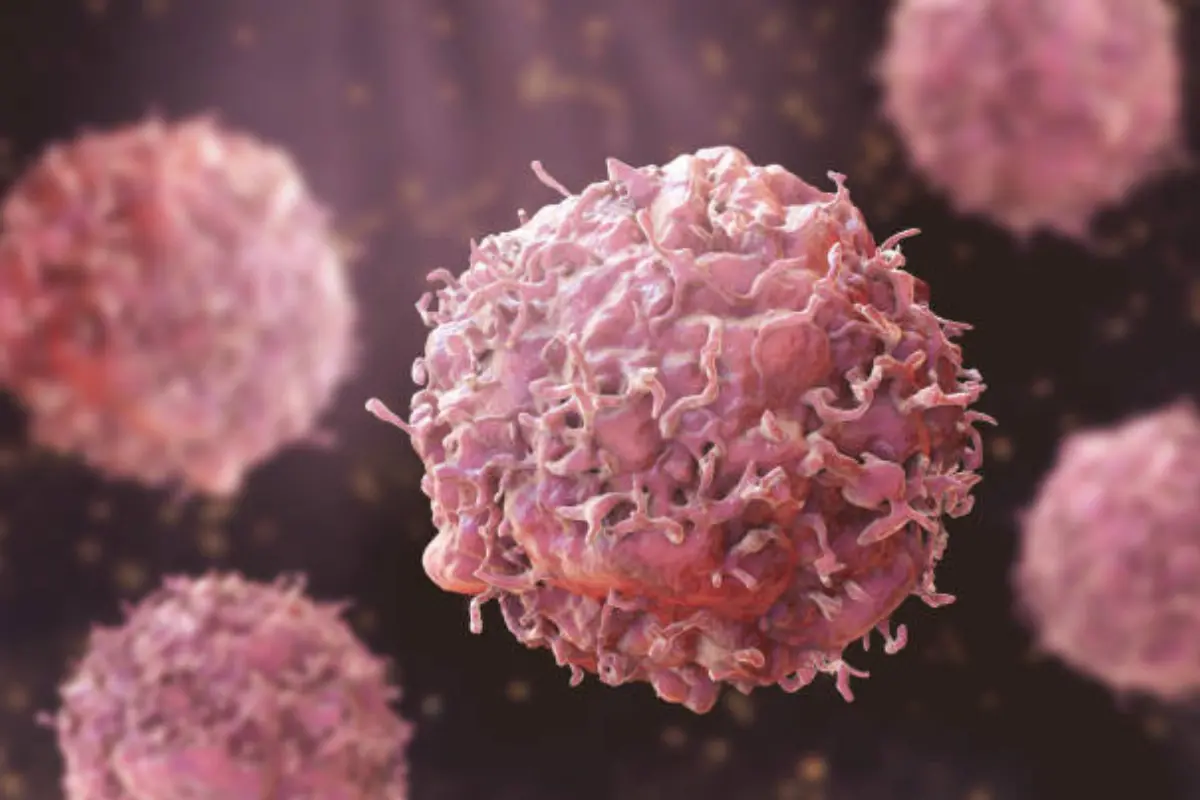
Indian researchers have developed an experimental cancer drug called RK-251, to target cancer cells while limiting its impact on healthy tissue.
The drug has been described as “smart” because it activate mainly in the chemical environment found inside cancer cells.
However, RK-251 is still in the preclinical stage and has not been tested in humans. So, could it eventually replace chemotherapy?
Why is RK-251 called a ‘smart’ drug?
RK-251 is a site-activated prodrug. It is designed to remain largely inactive in healthy tissue and switch on when it encounters high levels of reactive oxygen species (ROS), which are often found in cancer cells.
Once activated, RK-251 releases a compound called NBDHEX, which can interfere with proteins that help cancer cells survive. This may eventually trigger cancer cell death.
The aim is to make the drug more selective towards cancer cells while reducing damage to healthy tissue. However, this effect has only been demonstrated in early laboratory research.
What have the early studies found?
Laboratory studies found that RK-251 showed promising activity against triple-negative breast cancer cells, which can be difficult to treat because they lack three common treatment targets- oestrogen, progesterone and HER2 receptors.
The drug was also tested in zebrafish embryos, where researchers found no obvious signs of toxicity under the conditions studied.
These results are encouraging, but laboratory and animal studies cannot confirm whether a drug will be safe or effective in humans.
Could RK-251 replace chemotherapy?
Not yet, Chemotherapy remains an important treatment for many cancers and may be used before or after surgery, or to control advanced disease.
RK-251 still needs extensive testing to determine how it behaves in the human body, whether enough of the drug reaches tumours and whether it causes damage to healthy organs.
Also Read: Is Retinal better than Retinol? Which one is better for your skin?
Even if it eventually succeeds in clinical trials, it may not replace chemotherapy for all cancers. Instead, it could potentially become a targeted treatment for specific cancer types or be used alongside existing therapies.
Does ‘targeted’ mean there will be no side effects?
No, the drug is designed to be less active in healthy cells, but that does not guarantee that it will be free of side effects.
Researchers still need to study its possible effects on organs such as the liver, kidneys, heart and nervous system, along with other tissues.
What happens next?
Before RK-251 can be tested in humans, researchers will need to conduct further animal studies, examine its absorption and metabolism, and carry out detailed safety and toxicity testing.
If those studies are successful, the drug could eventually move into Phase I clinical trials, which primarily assess safety and dosage.
Also Read: 3 science-backed tricks that help when you can't ‘sleep more’
For now, RK-251 remains an experimental drug. Its early results offer a promising direction for cancer research, but it is too early to call it a replacement for chemotherapy.
(Disclaimer: This article is intended for general informational purposes only. It is not a substitute for professional medical advice, diagnosis or treatment. Do not start, stop or change any medication or treatment based solely on the information provided here)