Toothpaste usage guide: How much is too much?
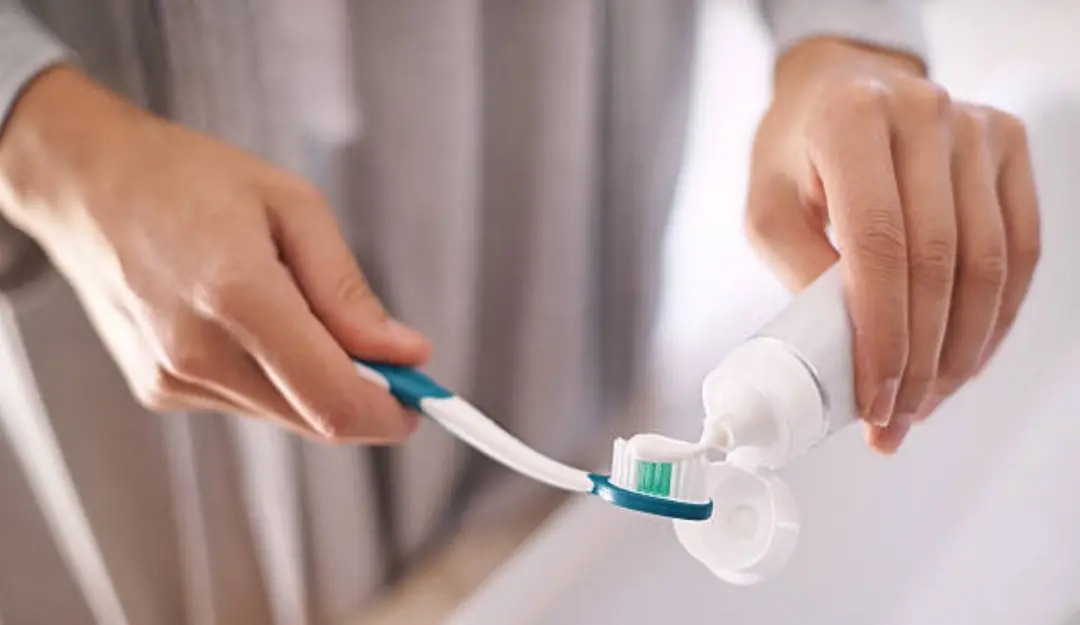
Brushing your teeth is a daily habit many of us barely think about — squeeze, brush, rinse, repeat. But according to experts, using too much toothpaste can lead to problems, especially in children. The right quantity and technique can significantly improve oral health and reduce potential harm.
Why the amount matters
Experts warn that excessive toothpaste can lead to:
- Fluoride overexposure: While rare in adults, ingesting large amounts of fluoride may cause nausea, vomiting, or even more severe effects.
- Enamel abrasion: Too much toothpaste, combined with aggressive brushing or hard-bristled brushes, can wear down enamel over time.
Special risks for children
Children are particularly vulnerable due to their developing teeth and tendency to swallow toothpaste. Key risks include:
- Dental fluorosis: A condition caused by excessive fluoride intake during tooth development, leading to white spots or discolouration on teeth.
- Swallowing toothpaste: Young children may ingest toothpaste, increasing fluoride intake beyond safe levels.
Recommended toothpaste amounts
Experts recommend the following:
- For adults: A pea-sized amount is sufficient. This ensures enough fluoride to protect against cavities without risking overexposure.
- Under 3 years: A smear the size of a grain of rice.
- Ages 3 to 6: A pea-sized amount.
Using age-appropriate toothpaste with lower fluoride concentration for children is important to minimise health risks.
Additional oral hygiene tips
- Supervise children’s brushing: Until around age six, children should be supervised to ensure they spit out rather than swallow toothpaste.
- Spit, don’t rinse: Avoid rinsing immediately after brushing. Spitting allows the fluoride to stay on the teeth longer, strengthening enamel.
- Use a soft-bristled brush: This reduces the risk of damaging enamel and gums.
- Brush twice a day: More than that may harm your teeth and gums.
- Visit the dentist regularly: Regular dental check-ups help track oral health and reinforce correct brushing habits.
(Disclaimer: This article is for informational purposes only and does not constitute medical advice. Please consult a dental professional for personalised recommendations.)