Why more Indians in their 20s and 30s are developing high blood pressure
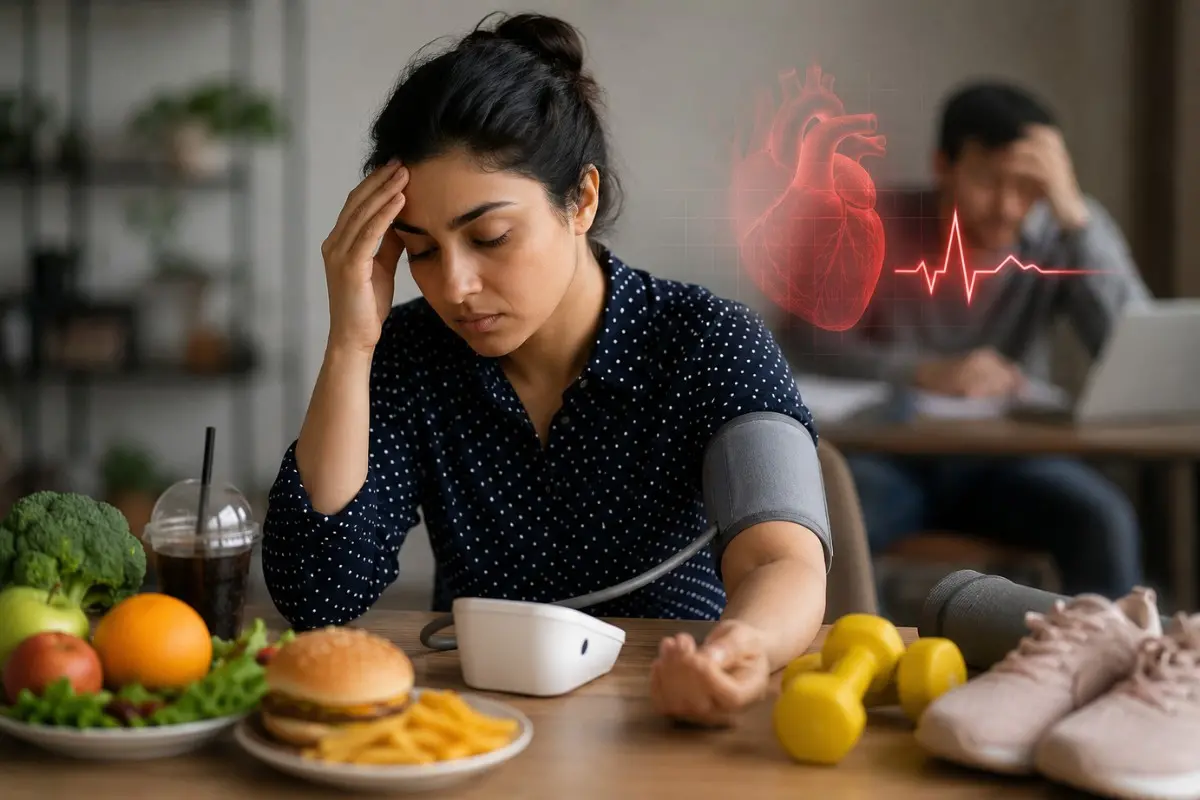
For many of us, checking blood pressure is something we associate with our parents or grandparents. It is the test you expect to have during a visit to the doctor later in life, not in your twenties or thirties.
But doctors across India are noticing a worrying shift. More young adults are being diagnosed with high blood pressure, also known as hypertension. What's even more concerning is that many have no idea they have it until a routine health check or, in some cases, a serious medical emergency.
Experts say changing lifestyles, long hours at work, poor eating habits and rising stress levels are all contributing to the trend.
More young adults are living with high blood pressure
According to the latest National Family Health Survey (NFHS-6) 2023-24, 19.4 percent of women and 22.1 per cent of men aged 15 years and above in India have raised blood pressure or are taking medication for hypertension. The figures are higher in urban areas than in rural parts of the country.
The numbers reflect a growing health concern, especially as younger people increasingly adopt sedentary lifestyles and spend more time sitting than moving.
Why is this happening?
Doctors say there is no single reason behind the rise. Instead, it is often a combination of everyday habits.
Many young professionals spend long hours at a desk, rely on processed or takeaway meals, exercise less than they should, sleep poorly and deal with constant work or personal stress. Obesity, diabetes and a family history of hypertension or heart disease can further increase the risk.
Over time, these factors can place extra strain on blood vessels and the heart, causing blood pressure to rise earlier than expected.
The biggest problem? You may not feel anything
One of the reasons hypertension is often called a "silent" condition is because it rarely causes obvious symptoms in its early stages.
Many people feel completely healthy. Doctors say high blood pressure is frequently discovered during a routine medical examination, before surgery or after a health scare such as chest pain or a cardiac event.
That is why relying on symptoms alone can be risky.
A single reading doesn't tell the whole story
Blood pressure naturally changes throughout the day depending on activity, stress, sleep and even the time of day.
Doctors point out that one reading taken during a hospital visit offers only a snapshot. What matters more is how blood pressure behaves over weeks and months.
For people at higher risk, home monitoring using a validated digital blood pressure monitor can provide a clearer picture. Some connected devices can even share readings with healthcare teams, helping doctors identify hidden or masked hypertension and make treatment decisions earlier.
Who should be more careful?
While everyone should know their blood pressure, experts recommend being particularly vigilant if you:
- Have obesity
- Have diabetes
- Have a family history of hypertension or heart disease
- Lead a largely inactive lifestyle
- Eat a diet high in salt or processed foods
Regular monitoring can help detect changes before complications develop.
High blood pressure can affect more than your heart
Untreated hypertension does not just affect the cardiovascular system.
Over time, persistently high blood pressure can damage the arteries that supply the heart, brain and kidneys. This increases the risk of heart attacks, strokes, chronic kidney disease and other serious health problems.
Because this damage develops gradually, many people are unaware of it until complications arise.
Small lifestyle changes can make a big difference
Doctors say medication is important for some people, but lifestyle changes remain the foundation of preventing and managing high blood pressure.
Simple habits that can help include:
- Being physically active for at least 150 minutes every week
- Maintaining a healthy body weight
- Reducing salt intake
- Eating more fruits and vegetables
- Avoiding tobacco
- Limiting alcohol consumption
- Managing stress
- Getting enough sleep every night
These changes not only help lower blood pressure but also reduce the long-term risk of heart disease.
Are we eating too much salt?
Salt intake has become another growing concern.
Research led by the Indian Council of Medical Research (ICMR) suggests that people in both urban and rural India consume more salt than the World Health Organisation's recommended limit of five grams per day.
Researchers are currently studying whether low-sodium salt substitutes could help reduce hypertension and lower the risk of cardiovascular disease.
While the findings are still being evaluated, experts continue to advise cutting down on excess salt wherever possible.
Don't wait until something feels wrong
High blood pressure is no longer a condition that affects only older adults.
With cardiovascular disease continuing to be the leading cause of death in India, doctors say early detection is one of the most effective ways to prevent heart attacks, strokes and kidney disease.
Checking your blood pressure should become as routine as stepping on a weighing scale or monitoring blood sugar. It takes only a few minutes, but it could make a significant difference to your long-term health.
(Disclaimer: This article is for informational purposes only and should not be considered medical advice. Consult a qualified healthcare professional for appropriate treatment)
Agency inputs