The risks of consuming raw, unpasteurised milk: What doctors want you to know
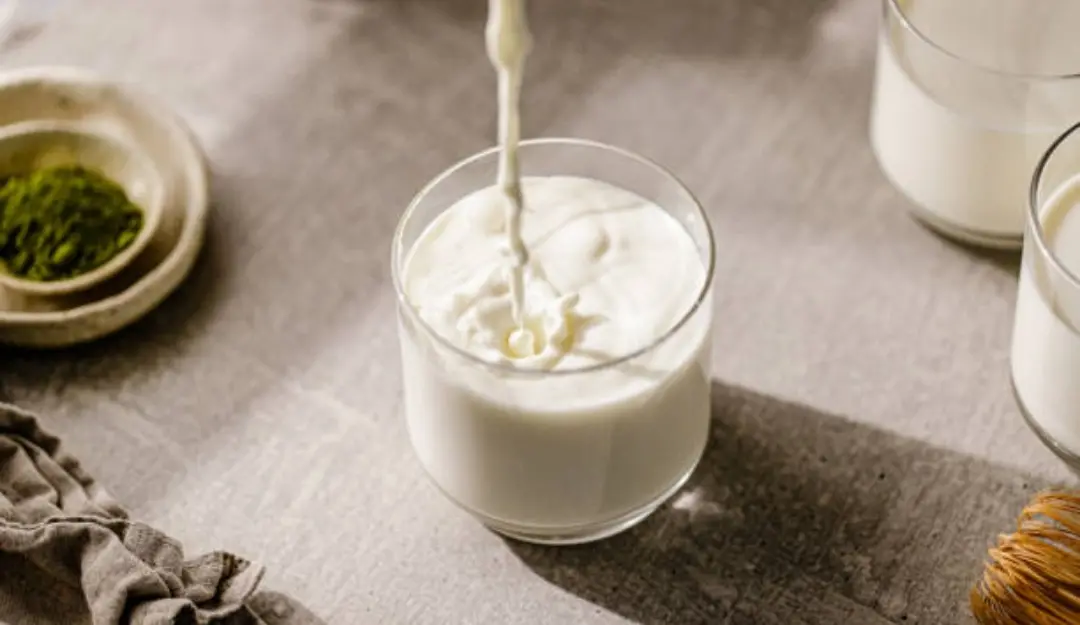
The demand for raw or unpasteurized milk has increased along with the popularity of natural and organic cuisine. It is important to take into account the current scientific studies as well as any possible health dangers, even though raw milk is generally thought of as a nutrient-dense, "farm-fresh" substitute with more minerals and enzymes. Because of the possible risks, I, as a doctor, strongly advise against consuming raw milk.
What is raw milk?
Unpasteurized milk, which eliminates potentially harmful microbes, is referred to as raw milk. By eliminating pathogens like Salmonella, E. coli, Listeria, and Campylobacter while maintaining nutritional value, pasteurization improves milk safety.
What are the health risks?
There may be dangerous bacteria in raw milk that can lead to severe foodborne diseases.
Particularly in susceptible populations including children, the elderly, pregnant women, and people with compromised immune systems, these bacteria can result in symptoms like vomiting and diarrhoea as well as potentially lethal outcomes like sepsis or haemolytic uremic syndrome.
Raw milk-related outbreaks have been reported all over the world. In India, where diverse dairy sources have varying hygienic requirements, the risks are greater. During milking, storage, and transportation, contamination may result from improper handling and cooling.
The facts are in conflict with false notions
Advocates of raw milk assert that it contains more minerals, improves lactose intolerance, and increases immunity. These assertions are not supported by the evidence currently available, though. Pasteurized milk preserves important elements like calcium, protein, and vitamin D while preventing disease. For those who are lactose intolerant, particularly youngsters and pregnant women, lactose-free milk and dairy substitutes are safer and more efficient.
Because Listeria infections can result in miscarriages, stillbirths, or other illnesses for the foetus, pregnant women should refrain from drinking raw milk. Since bacterial infections are more common in children, pasteurized milk is advised for them.
From a public health standpoint
Promoting raw milk consumption could put a strain on medical resources and jeopardize public health as it can result in avoidable diseases.
In its "natural" state, raw milk may seem enticing, but there are more risks than advantages. Physicians think that the best available information should be used to make decisions. Since its debut, pasteurization has proven a straightforward yet powerful life-saving technique. Consumers should put safety first and stay away from raw milk altogether.
Speak with your doctor or a nutritionist if you're trying to find a healthy diet. By making safe and well-informed decisions, you can safeguard your health.