Bloating, acidity or sluggish digestion? Try these 7 spice waters
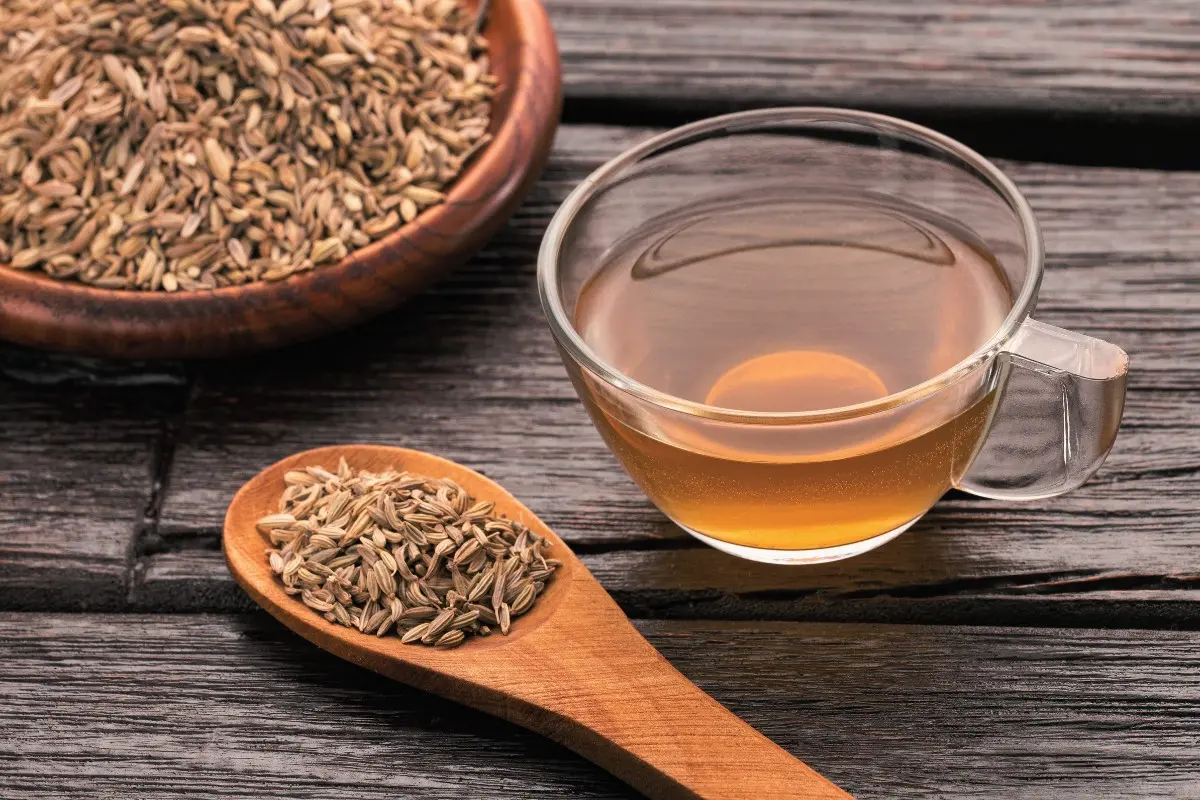
A glass of infused water does not always have to mean lemon and mint. For many Indian households, cumin, coriander etc are everyday kitchen staples. But these familiar ingredients are also commonly turned into simple infused drinks. Whether it is cumin water first thing in the morning or fennel water after a heavy meal, the timing and method can make each one a little different.
Coriander seed water
Best time: Morning on an empty stomach or after a heavy, spicy meal.
Coriander seed water is considered cooling for the body. It supports kidney and thyroid function, reduces water retention, calms Pitta and helps with skin inflammation.
How to make it: Soak 1 teaspoon of coriander seeds in 250 ml of water overnight. Strain the water and drink it cold or slightly warm. Unlike some of the other drinks on this list, coriander seed water should not be boiled, as boiling destroys its cooling properties.
Also Read: IVF vs IUI: What’s the difference and what women should know
Who can have it: It may be useful for those dealing with acidity, a history of UTI, excess body heat, skin breakouts and hormonal acne.
Avoid if: People with very low blood pressure should avoid it, as it has a mild hypotensive effect.
Cumin water
Best time: Morning, on an empty stomach
Cumin water can kickstart digestive fire, reduce bloating and support non-heme iron absorption when paired with vitamin C. It may also offer mild blood sugar support.
How to make it: Soak 1 teaspoon of cumin in 250 ml of water overnight. Boil the water in the morning, strain it and drink it lukewarm.
Who can have it: It may be suitable for those dealing with slow digestion, bloating, gas, low appetite and irregular periods.
Avoid if: Those with very high Pitta, particularly people who experience acidity or a burning sensation, should use it sparingly.
Turmeric water
Best time: Morning or before bed
Turmeric water is associated with anti-inflammatory benefits, liver detox support, joint health, blood sugar regulation and skin health.
How to make it: Add ½ teaspoon of turmeric and a pinch of black pepper to 200 ml of warm water. Adding a drop of ghee increases bioavailability significantly.
Who can have it: It may be suitable for people dealing with joint pain, chronic inflammation, fatty liver, diabetes risk, skin issues and PMOS.
Avoid if: Those taking blood thinners or people with gallstones should consult a doctor before having turmeric water. It should also be avoided on a completely empty stomach if you are prone to acidity.
Fenugreek water
Best time: Morning, on an empty stomach
Fenugreek water can help regulate blood sugar, improve insulin sensitivity and support hormonal balance for PMOS. It can also help reduce cholesterol and aid digestion.
How to make it: Soak 1 teaspoon of fenugreek seeds in 250 ml of water overnight. Drink the water in the morning. If tolerated, the soaked seeds can also be chewed and swallowed.
Who can have it: It may be suitable for those dealing with insulin resistance, PMOS, diabetes risk, high cholesterol and stubborn belly weight.
Avoid if: Fenugreek should be avoided during pregnancy, as it can cause uterine contractions. People taking diabetes medication should monitor their blood sugar carefully, as fenugreek may require a dose adjustment.
Also Read: Is jaggery or honey actually better than sugar in your tea?
Ajwain (carom seed) water
Best time: When bloated or after a heavy meal
Ajwain water is considered one of the quickest natural options for gas relief. It ignites digestive fire and acts as an antispasmodic, helping relax gut cramps.
How to make it: Boil 1 teaspoon of ajwain in one glass of water, around 150 ml, for five minutes. Strain and drink it warm. Unlike the seed waters that are soaked overnight, ajwain water should be boiled rather than soaked.
Who can have it: It may be useful for people experiencing frequent gas, bloating, stomach cramps, IBS and slow digestion.
Avoid if: People with hyperacidity or gastric ulcers should avoid it, as it can aggravate these conditions.
Fennel water
Best time: After meals, either lunch and/or dinner
Fennel water can help reduce gas, bloating and acidity while relaxing the intestinal muscles. It also has a mild phytoestrogen effect that may be supportive for PMOS and can help freshen the breath.
How to make it: Soak 1 teaspoon of fennel seeds in 200 ml of water overnight. Strain and drink it one hour after meals. It can also be consumed warm.
Who can have it: It may be suitable for people with IBS, bloating, acidity, PMOS and irregular cycles. It can also be used by new mothers as it supports lactation.
Avoid if: If you are on oestrogen-sensitive medication, check with your doctor before having fennel water.
Clove water
Best time: Morning, on an empty stomach
Clove water is antimicrobial and anti-inflammatory. It is also liver-supportive, beneficial for oral health and warms and activates the gut.
Also Read: Pain during breastfeeding is not normal: Know when to ask for help
How to make it: Soak 2 to 3 cloves in 200 ml of water overnight. Drink the water warm in the morning. Two to three cloves are enough, so there is no need to overdo it.
Who can have it: It may be suitable for people with sluggish digestion, frequent colds, bad breath or weak immunity, as well as those who tend to run cold.
Avoid if: Those who are Pitta-dominant or tend to run hot, have acidity or ulcers should avoid it, as it can be too heating.
These simple seed and spice waters can easily become part of a daily routine, but the timing and preparation matter.
As with any wellness practice, what works for one person may not work in exactly the same way for another. Pay attention to how your body responds and be particularly careful if you have an existing health condition or take medication.
(Disclaimer: The information in this article is for general informational purposes only and is not intended to replace professional medical advice, diagnosis or treatment. Always consult a qualified healthcare professional before making changes to your routine.)