Asthma in children: Signs, triggers, and how to create an asthma action plan
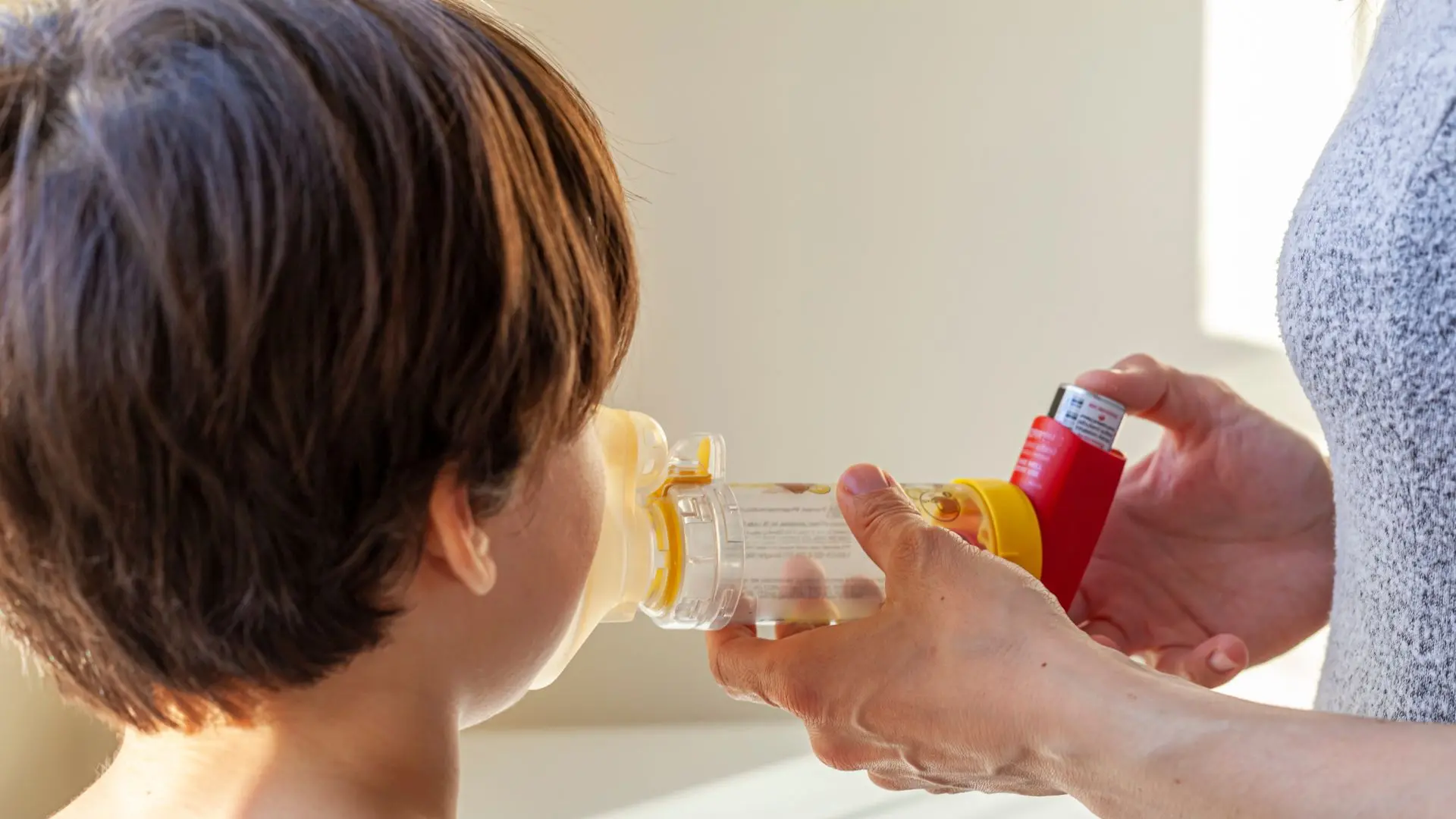
Asthma is a chronic respiratory condition that affects many children worldwide, causing inflammation and narrowing of the airways. Early recognition and proper management are key to improving quality of life and preventing severe episodes in children.
Recognizing the signs of Asthma
Asthma in children often presents with a range of symptoms that can vary from mild to severe. Common signs include:
- Frequent coughing: Especially at night, during exercise, or after laughing.
- Wheezing: A high-pitched whistling sound when breathing out.
- Shortness of breath: Difficulty in catching breath, which may be more noticeable during physical activities.
- Chest tightness or pain: A feeling of discomfort or pressure in the chest.
It's important to note that asthma symptoms can worsen during viral infections, cold weather, or exposure to allergens.
Common asthma triggers in children
Identifying and avoiding asthma triggers is essential to minimizing flare-ups. Common triggers for children include:
- Allergens: Dust mites, pollen, pet dander, and mold can worsen asthma symptoms.
- Cold air: Exposure to cold weather can constrict the airways, leading to breathing difficulties.
- Exercise: While exercise is healthy, it can also trigger asthma attacks, particularly if the child is not adequately prepared.
- Respiratory infections: Colds and flu can exacerbate asthma symptoms, making it harder for children to breathe.
- Smoke and pollution: Exposure to secondhand smoke, air pollution, or strong odors like chemicals and cleaning products should be avoided.
Creating an asthma action plan
An asthma action plan is a critical tool for managing your child's asthma and preventing severe episodes. Developed with your child’s pulmonologist, the plan outlines steps to take based on the severity of symptoms.
- Daily Management: This section includes the regular medications your child should take, such as long-term control inhalers or medications to reduce airway inflammation. It is important to ensure your child takes these medications consistently, even when symptoms are absent.
- Recognizing Worsening Symptoms: The plan should clearly identify the warning signs of worsening asthma, such as increased coughing, wheezing, or difficulty breathing. At this stage, rescue medications like short-acting bronchodilators (inhalers) should be used and how often these medications are needed as frequent use could indicate poorly controlled asthma.
- Emergency Care: This part of the plan specifies when to seek immediate medical attention. If symptoms are rapidly worsening, rescue medications are not effective, or your child is struggling to breathe, follow the emergency instructions in the plan and contact a healthcare professional or visit the nearest emergency department.
- Environmental Control: Identify and mitigate triggers. Ensure your child’s living environment is free from smoke, allergens, and pollution. If necessary, make adjustments to the home environment, such as using air purifiers or keeping pets out of the bedroom.
Asthma in children can be well-managed with early detection, identification of triggers, and a comprehensive asthma action plan. Parents should work closely with their child’s pulmonologist to ensure effective day-to-day management, ensuring a healthier and more active lifestyle for their child. Regular follow-ups and adherence to the action plan can significantly reduce the risk of severe asthma attacks and improve overall control of the condition.
-Dr Manjunath PH is a Consultant - Interventional Pulmonologist at Gleneagles BGS Hospital, Kengeri, Bengaluru