A sore in the mouth that won’t heal? It could be more serious - How to spot oral cancer early?
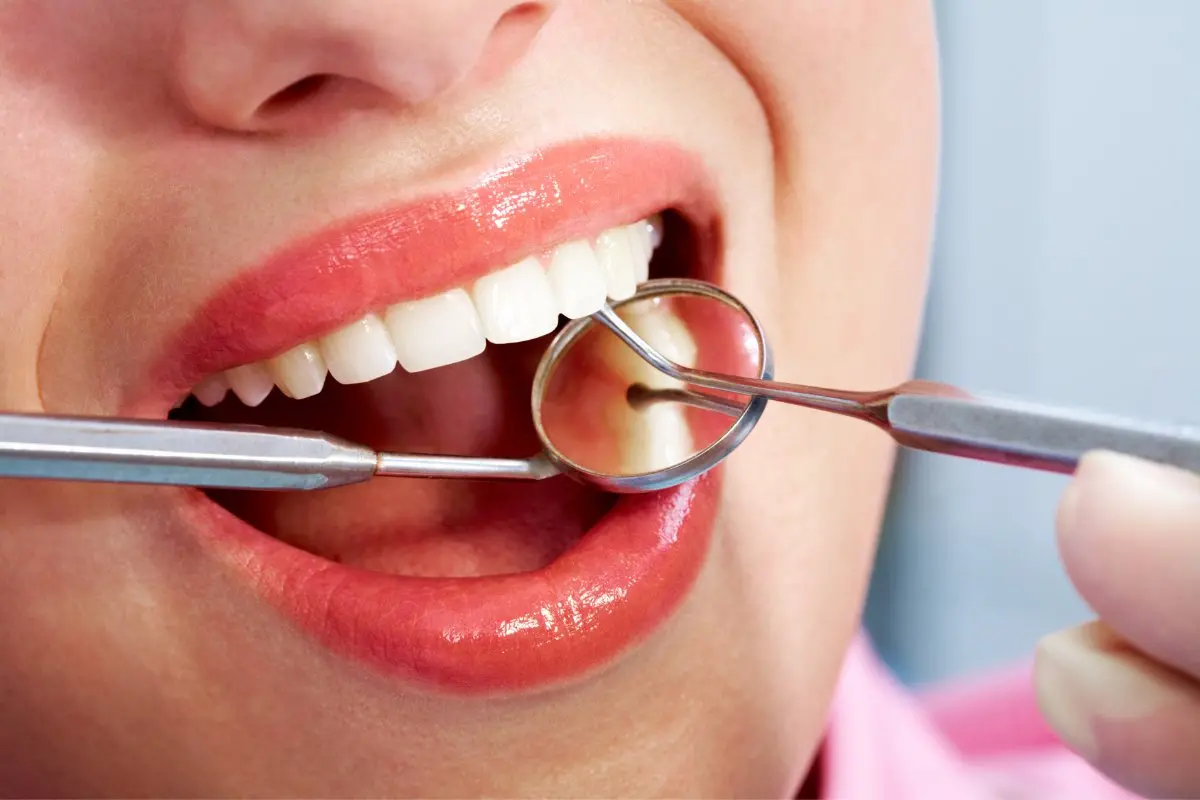
The mouth often speaks before the rest of the body does. Many everyday changes inside it are harmless, but some lingering signs deserve a second look. Doctors stress that spotting oral cancer early can make a huge difference, which is why even small shifts in the way your mouth looks or feels shouldn’t be ignored. These are a few changes people commonly overlook.
Persistent Sores or Ulcers
Most mouth ulcers settle on their own within a week or so. When a sore hangs around longer, or the same spot keeps troubling you, it’s worth paying attention. Early oral cancers can look deceptively simple — a tiny ulcer that slowly grows. Anything that refuses to heal should be shown to a doctor.
White or red patches
Pale, white patches or bright red ones sometimes appear without causing any discomfort. Although many turn out to be harmless, some have the potential to progress if left unchecked. These can show up on the tongue, cheeks, gums, or even the palate. A quick look in the mirror now and then helps you notice changes early.
Unexplained bleeding
Bleeding from brushing too hard is one thing. Bleeding when you haven’t done anything to trigger it is different. Repeated or spontaneous bleeding can point to an abnormal sore or growth and should be examined.
Lumps or areas that feel thicker
A new lump, a firm spot under the tongue, or an area that feels thicker or uneven — even if it doesn’t hurt — is something you shouldn’t shrug off. These changes sometimes show up very quietly. Letting a dentist or doctor assess it early can save time later.
Trouble chewing or swallowing
When chewing suddenly feels a bit off or swallowing brings an unexpected twinge, it’s often the body’s way of nudging you to look a little closer at what’s going on. Stiffness in the jaw or a nagging sense of something “getting in the way” shouldn’t be brushed aside if it continues.
Numbness or odd sensations
A small area of numbness on the tongue or lips — or a tingling that simply won’t fade — can sometimes point to a nerve being affected. Because these sensations aren’t usually painful, people tend to overlook them, but doctors see them as signs that deserve attention.
A persistent bad taste or breath
When an odd taste or stubborn breath problem just won’t go away, even with your normal brushing, it can sometimes come from something deeper in the mouth.
Taking action early
Keeping up with routine dental visits and doing your own quick checks can make a world of difference. If something unusual sticks around for more than two weeks, have it examined. Early treatment is usually simpler and far more effective.
Your mouth isn’t just where symptoms show up — it’s one of the first places the body sends signals when something isn’t right. Noticing those subtle changes, and acting on them, gives you the best chance of addressing problems before they grow.
(The author is Sr Consultant & Head – Surgical Oncology & Robotic Surgery CARE Hospitals, Banjara Hills, Hyderabad)