Just had a hair transplant? These everyday habits could damage it
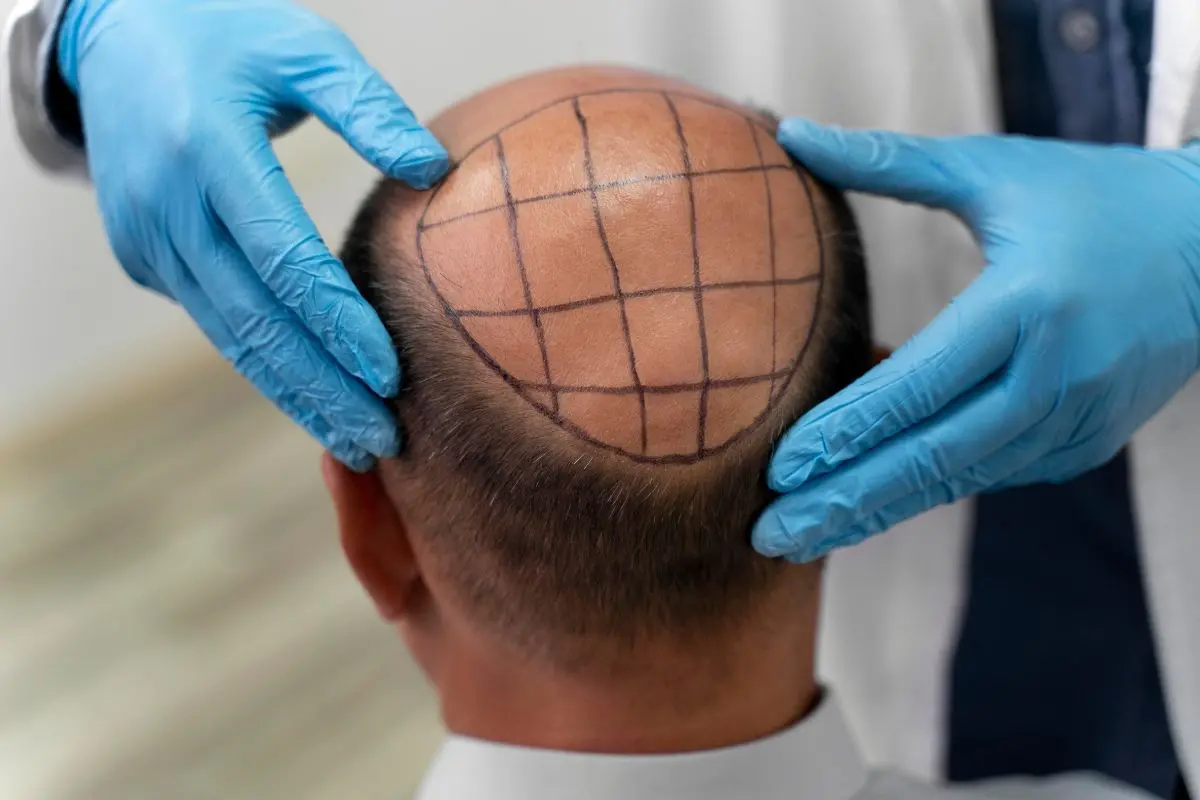
Undergoing a hair transplant is an important step for anyone hoping to restore their hair and confidence. Yet, many people unintentionally slow down their healing by overlooking simple but essential aftercare practices.
If you have recently had a hair transplant, looking after your scalp correctly is crucial for achieving the best possible results. This guide outlines the most frequent mistakes people make after the procedure and explains how you can avoid them.
Are you exposing your scalp to direct sunlight?
One of the biggest errors patients make is exposing the scalp to harsh sunlight just after surgery. Since the area is highly sensitive and still recovering, UV rays can irritate the skin, cause redness or even lead to sunburn, all of which delay the healing process.
It is best to stay away from strong sunlight for at least two to three weeks. If you need to step outdoors, wear a soft, loose-fitting hat that does not press against the transplanted area. Always check with your doctor before using any head covering to ensure it is suitable.
Are you smoking or drinking alcohol too soon?
Smoking and alcohol can greatly interfere with recovery. Nicotine restricts blood flow to the scalp, which slows healing and raises the risk of graft failure.
Alcohol thins the blood, making bleeding or bruising more likely. To support your scalp’s healing, avoid both smoking and drinking for at least two weeks before and after your procedure. Your newly transplanted hair needs oxygen and nutrients, and these habits interfere with both.
Do you touch or scratch the transplanted area?
Many patients struggle with the urge to touch, scratch or pick at their scalp after surgery. Itching is common as healing begins, but scratching can cause serious harm. The grafts are extremely delicate in the early days, and even light pressure can dislodge or damage them.
Follow your doctor’s cleaning and washing guidance carefully. If the itching becomes difficult to handle, speak to your surgeon about a safe lotion or medication to help ease the discomfort.
Are you ignoring early signs of infection?
A small amount of swelling in the first few days is normal, but if the swelling persists or gets worse, it may indicate infection or inflammation. Some people overlook these symptoms, hoping they will disappear on their own, but this can be dangerous.
If you notice unusual redness, pus, pain or an unpleasant smell from the scalp, contact your doctor immediately. Quick treatment prevents complications and protects your long-term results.
Are you sleeping in the wrong position?
Your sleeping posture can also influence how well you heal. Many people lie flat on their back, which can increase swelling or put pressure on the transplanted area.
The recommended position is to sleep with your head raised using two or three pillows. Keeping your head elevated helps reduce swelling and protects the new grafts. Avoid sleeping face down or on your side during the first week after surgery.
Are you washing your hair incorrectly?
Cleansing the scalp is essential after a hair transplant, but doing it too early or too aggressively can disturb the grafts. Surgeons usually advise gently washing your scalp with mild shampoo a few days after the procedure.
Avoid high-pressure water, as it may loosen the implanted hair. Do not rub or scrub the area. Instead, use a soft cup to pour a mixture of water and shampoo over your scalp. Following your surgeon’s washing routine keeps the scalp clean, reduces infection risk and supports healthy hair growth.
Have you returned to heavy exercise too quickly?
Although exercise is good for overall health, it is not ideal immediately after a hair transplant. Intense physical activity increases blood pressure and sweating, which can affect healing and increase the risk of infection.
Avoid heavy workouts, running or lifting weights for at least two weeks, or until your surgeon gives approval. Light walking is usually fine after a few days, as long as you keep the scalp dry and clean.
Are you using hair products before the scalp has healed?
Many people feel eager to style their hair again and start using gels, sprays or conditioners too early. These products can irritate the scalp and interfere with healing. It is best to avoid any cosmetic hair products for three to four weeks, or until your doctor says it is safe. Choose gentle, doctor-approved products once your scalp is fully recovered.
Are you skipping your follow-up appointments?
Aftercare continues well beyond the day of the surgery. Follow-up visits allow your surgeon to check your healing progress and monitor the new hair growth. Some patients skip these appointments, believing they are unnecessary.
Regular checkups help your doctor detect any early issues and offer guidance for maintaining the best results. Attend every scheduled visit and follow all recommendations.
Are you expecting immediate results?
Patience is essential after a hair transplant. Many people become anxious when they do not see hair growing right away. It is normal for transplanted hair to fall out in the first few weeks. New growth usually starts after three to four months, while full results may take up to a year.
Avoid comparing your progress with others. Every individual heals differently. Trust the process and follow your doctor’s advice.
(This article is intended for informational purposes only and should not be considered medical advice. Always consult a qualified medical professional or your surgeon for personalised guidance, diagnosis and treatment.)