Why do vadas have a hole in the centre? There's science behind the shape
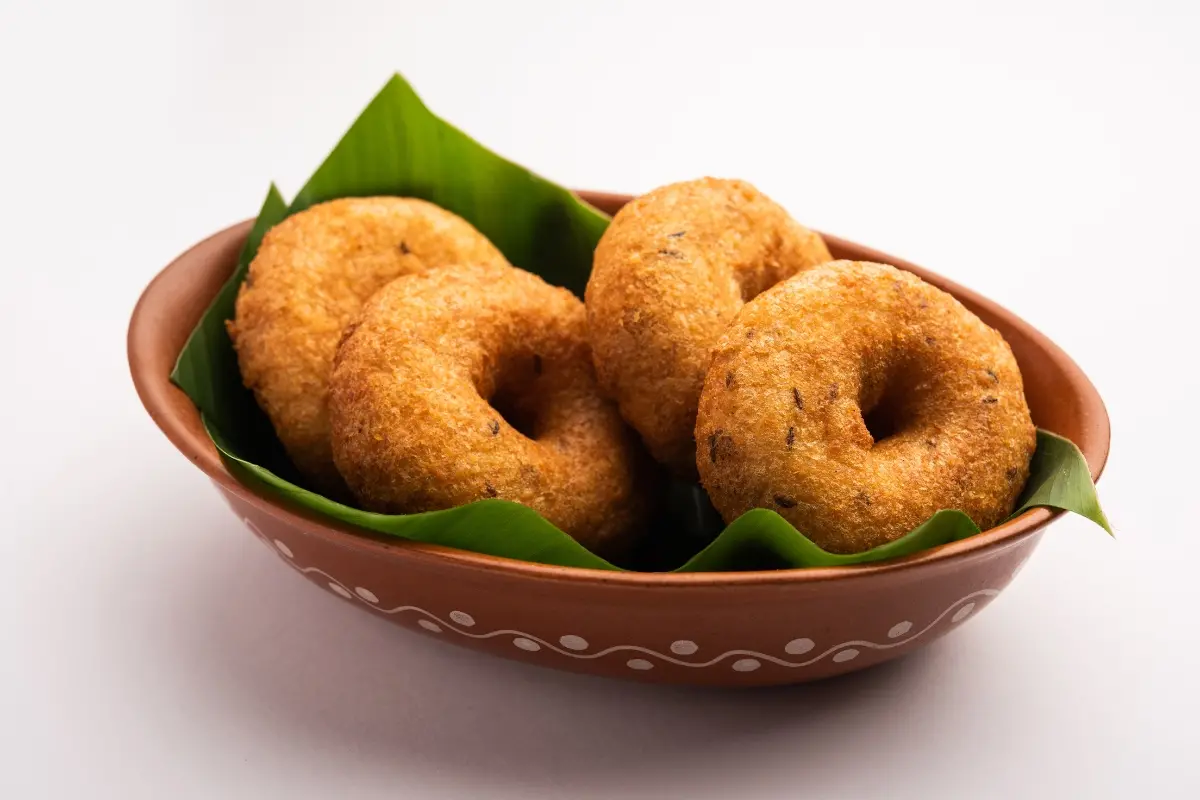
If you've ever enjoyed a crispy, golden vada with your morning chai, you've probably noticed its signature doughnut-like hole in the centre. While it might seem like just a traditional or aesthetic choice, there's actually clever culinary science behind it.
That hole does more than define its shape — it helps the vada cook evenly, stay crisp outside, soft inside, and even drain excess oil. Here's why this humble snack's iconic design is a masterstroke of cooking logic.
Does the hole help with cooking?
Yes. The hole in a vada allows hot oil to reach both the outside and inside of the thick batter, ensuring even frying. Without it, the centre could stay raw while the outside crisps too quickly.
What happens to the texture?
The increased surface area lets the oil penetrate deeper, making the exterior golden and crunchy while keeping the inside soft and fully cooked. This creates the perfect contrast in texture.
Is it just like a doughnut?
Exactly. Much like doughnuts, vadas use the hole to ensure heat distribution across all parts of the snack. It’s not decorative—it’s functional.
Are there other benefits?
Shape stability: The hole helps the vada hold its shape during deep frying.
Oil drainage: The hole allows excess oil to drip out, making the vada less greasy.
Consistent cooking: It helps avoid undercooked centres, a common issue in thick batters.
So, is the hole just tradition or science?
It’s both. The iconic ring shape of the vada is a product of centuries of cooking experience, backed by culinary physics. The next time you enjoy a hot, crispy vada, know that the hole isn't just a design—it's a precise engineering choice for delicious results.