Can vegetarians meet their protein needs without powder? Here’s how
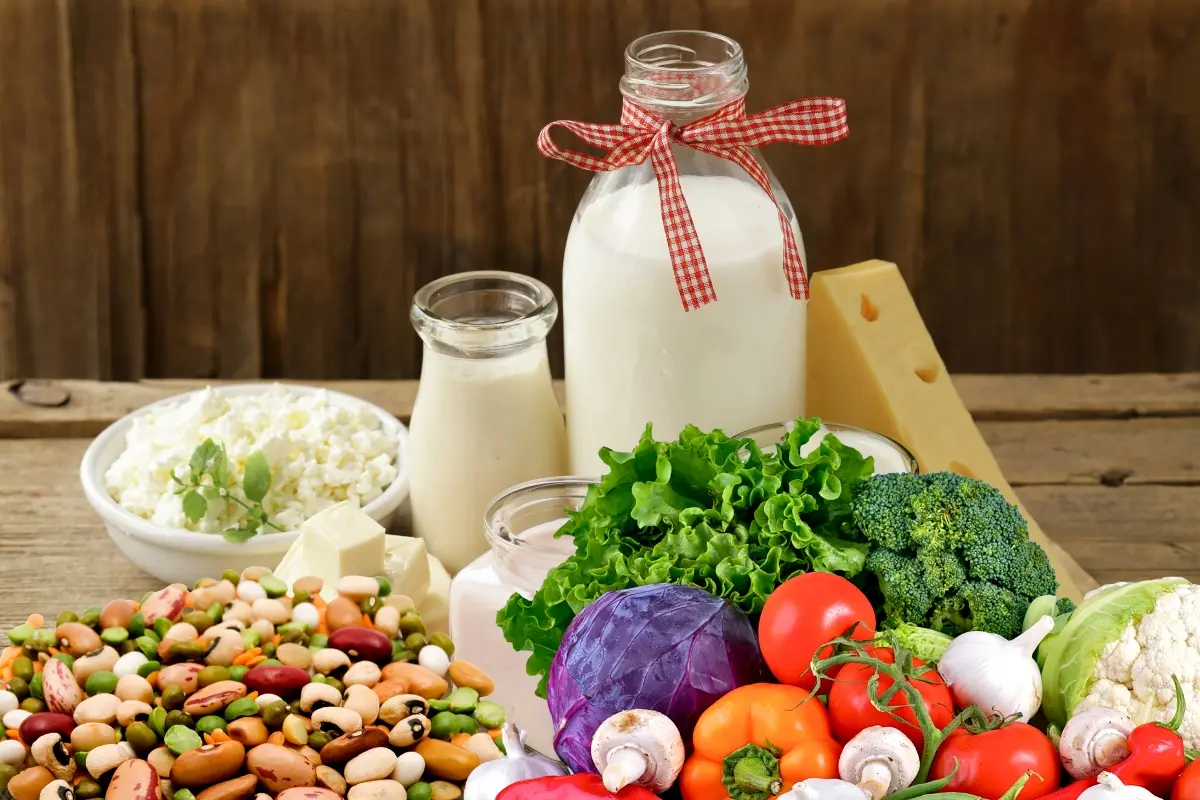
Protein plays a vital role in satiety, energy maintenance, and muscle recovery. While vegetarians may miss out on meat, fish, and eggs, it is possible to meet daily protein requirements through healthy plant-based and dairy sources.
Studies have shown that vegetarian diets lacking sufficient protein and essential nutrients like B12, iron, and zinc may increase the risk of bone fractures and other health issues.
To ensure adequate protein intake, vegetarians can focus on the following foods:
- Beans and Legumes: Lentils, chickpeas, kidney beans, soybeans, and black beans provide high-quality protein and can be added to soups, curries, and salads.
- Nuts and Seeds: Almonds, cashews, peanuts, pistachios, sesame, and hazelnuts are versatile snacks and can also be added to breakfast oats or yoghurt.
- Whole Grains: Oats, quinoa, barley, millet, and brown rice offer unprocessed, protein-rich options suitable for multiple meals.
- Vegetables: Leafy greens, peas, corn, asparagus, and broccoli are not only rich in protein but also provide essential vitamins and minerals.
- Dairy: Options like Greek yoghurt, cottage cheese, whole milk, Icelandic skyr, cheddar, and mozzarella deliver protein while supporting bone health.
By strategically combining these foods, vegetarians can meet their protein needs without resorting to supplements, supporting overall wellness and sustained energy throughout the day.