How to eat Korean food like Koreans
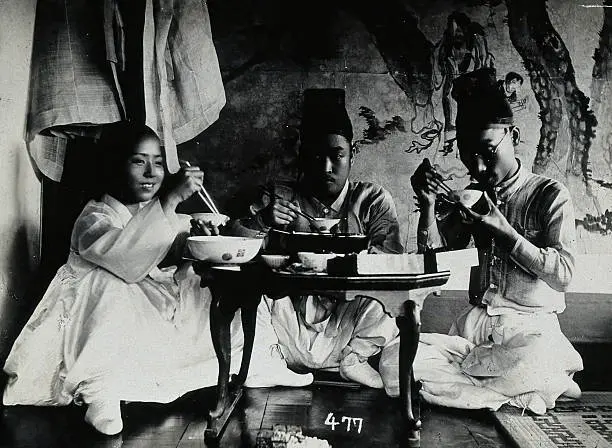
While Korean barbecue and the famous ssam (meat, vegetables and rice wrapped in lettuce) may be the pairing most people know, Korean food culture is filled with countless combinations that locals consider almost inseparable.
These pairings come from years of tradition, seasonal eating habits and the Korean idea that every flavour needs a perfect companion.
Here are some iconic combinations to try if you want to experience Korean food the way locals do.
Tteokbokki and Soondae
Korean street food, or bunshik, is a favourite everyday indulgence, found everywhere from school neighbourhoods to markets and casual restaurants.
Among the most loved combinations is tteokbokki and soondae. Tteokbokki is a chewy rice cakes cooked in a sweet and spicy gochujang sauce known for its fiery flavour and addictive texture. While it pairs well with fried dumplings and gimbap, Koreans consider soondae one of its best companions.
Soondae, a Korean blood sausage filled with ingredients such as meat and glass noodles, absorbs the spicy tteokbokki sauce beautifully.
Chimaek: Fried Chicken and Beer
Few Korean food pairings have achieved the popularity of chimaek, a combination of fried chicken (chi) and beer (maekjoo).
Although the pairing existed earlier, it became a national favourite during the 2002 South Korea-Japan FIFA World Cup.
Koreans even have a word for foods eaten with alcohol: anju. These dishes are often salty, spicy or fried because they help balance the effects of alcohol.
Fried chicken is always served with mu, crunchy pickled radish.
Popular variations include banban (half plain chicken and half sauce-covered chicken), as well as flavours like cheese powder or chilli mayo.
Jeon and Makgeolli
In Korea, rainy weather calls for one specific comfort pairing: jeon and makgeolli.
Jeon is a savoury Korean pancake made in several varieties, including green onion, kimchi, seafood and potato versions. It is dipped in soy sauce and enjoyed with makgeolli, a creamy, lightly fizzy fermented rice wine.
Many Koreans believe the sound of jeon frying in oil resembles the sound of rainfall, making it the perfect food for gloomy weather.
Galbi and Naengmyeon
Korean summers can be hot and humid, which is why locals turn to galbi and naengmyeon.
Galbi, marinated grilled short ribs, is rich and smoky, while naengmyeon is a cold noodles served in icy broth or spicy sauce.
Some Koreans enjoy the noodles alongside barbecue, while others eat them at the end of the meal as a palate cleanser.
Instant Ramyun and Gimbap
Fans of Korean dramas may recognise this pairing from scenes of people eating near convenience stores or by the Han River.
Instant ramyun and gimbap are everyday comfort foods in South Korea. Both are affordable, portable and filling, but their popularity comes from how well their flavours work together.
The spicy, warming noodles balance with the fresh, lighter flavours of gimbap.
Korean Chinese Noodles and Tangsuyuk
Korean Chinese cuisine, known as joongshik, developed in Incheon in the late 19th and early 20th Centuries before spreading across South Korea.
Dishes like jjajangmyeon (black bean noodles) and jjamppong (spicy seafood noodle soup) are beloved comfort foods. But there is one dish Koreans believe should always accompany them: tangsuyuk.
Tangsuyuk is crispy fried pork or beef covered with sweet and sour sauce.
It has even inspired a long-running Korean food debate: should you pour the sauce over the crispy meat, or dip each piece separately
Seolleongtang and Kkakdugi
For a comforting meal or even recovery after a long night Koreans turn to seolleongtang and kkakdugi.
Seolleongtang is a milky ox bone soup filled with brisket and noodles. The broth itself is intentionally mild, allowing diners to customise it with salt, green onions and pepper.
The real flavour comes from kkakdugi, cubed radish kimchi.
Korean Barbecue and Soup
A Korean barbecue table is already a feast, sizzling meat, lettuce wraps, perilla leaves, rice, banchan and steamed eggs. Yet there is one more element Koreans expect: soup.
Most barbecue restaurants serve a complimentary bowl of doenjang jjigae (soybean paste soup) or kimchi jjigae (kimchi stew).
For Koreans, soup is an essential part of a complete meal.
Because in Korean food culture, every flavour has a partner and every meal has its own rhythm.