Is tuna safe after parasite reports? ICAR-CMFRI answers the big question
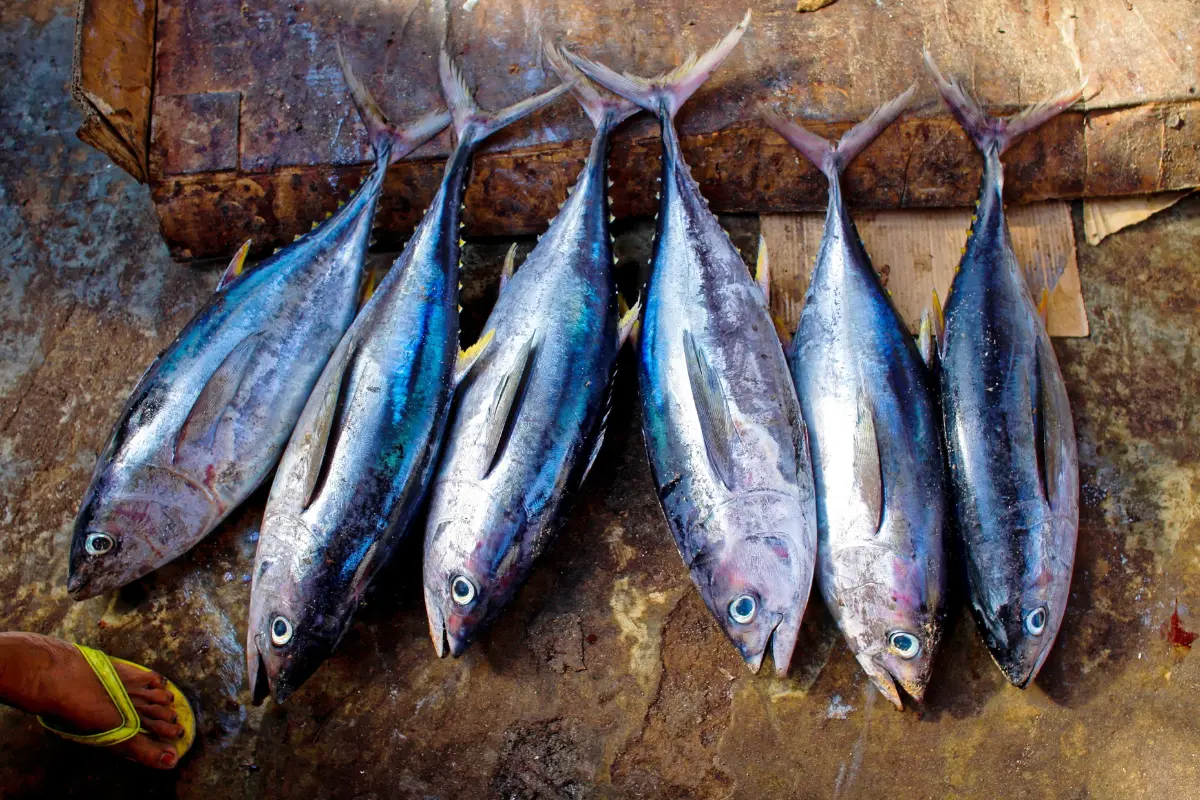
Kochi: Reports of parasitic infections in skipjack tuna caught in the Atlantic Ocean off Brazil have raised questions among fish and tuna consumers about whether the seafood is safe to eat. India’s ICAR-Central Marine Fisheries Research Institute (ICAR-CMFRI), however, has advised that there is no need to stop eating tuna or other commercially available fish based solely on those reports.
The key point from the institute is that findings from fish in one geographical region should not automatically be applied to the same species caught in Indian waters.
ICAR-CMFRI said fish examined along the Indian coast, including tuna, have not shown external signs of harmful parasitic infestation. The institute said the presence and levels of parasites can differ between individual fish and across geographical areas.
Grinson George, Director of ICAR-CMFRI, said the institute's scientists regularly examine fish, including skipjack tuna, during fish biology studies. Fish are observed for abnormalities and parasites whenever required.
The institute also said parasite patterns can be used globally to help distinguish between different fish stocks or populations.
"The ICAR-Central Marine Fisheries Research Institute (ICAR-CMFRI), Kochi, has advised consumers not to avoid tuna or other commercially available fish solely on the basis of reports of parasitic infections detected in fish from a specific geographical region," the agriculture ministry said in a statement.
Does cooking tuna kill fish parasites?
For Indian consumers, cooking practices are an important part of the food-safety picture.
ICAR-CMFRI said seafood in India is generally prepared at high temperatures, providing an additional safety measure. Proper cooking kills parasites and reduces the associated food-safety risk.
The situation can be different in countries or communities where raw or lightly cooked seafood is commonly consumed. According to the institute, the risk may be higher in such settings when parasite prevalence is high in a particular locality.
What should you do while buying and cooking fish?
ICAR-CMFRI has advised consumers to follow proper fish-handling, cleaning and cooking practices.
The institute specifically highlighted prompt and proper evisceration during fish handling and processing. The intestines and other internal organs are normally removed while cleaning fish.
Proper cleaning followed by thorough cooking can further reduce potential risks associated with parasites.
With PTI inputs