Can monk fruit help you cut calories? Here’s what you should know
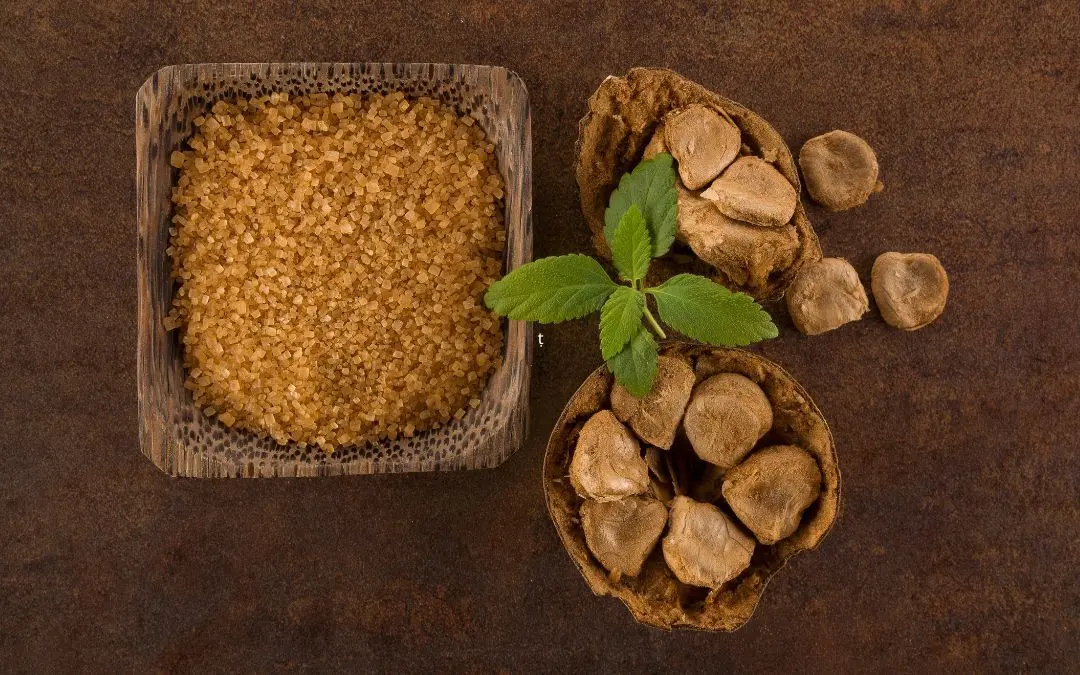
Monk fruit sweetener, also known as monk fruit extract, has existed for decades but has recently surged in popularity as it has become more widely available. Here’s a closer look at what it is, its potential health benefits, and whether it is safe to use.
What is monk fruit sweetener?
Monk fruit sweetener is made from the monk fruit, also called ''luo han guo'' or “Buddha fruit” , a small, round fruit native to Southeast Asia. Used for centuries in traditional Chinese medicine, monk fruit is now approved by the U.S. Food and Drug Administration (FDA) for use as a sweetener.
To produce the sweetener, the seeds and skin are removed, and the pulp is crushed to extract the juice. This juice is then dried into a concentrated powder. Although monk fruit contains natural sugars such as fructose and glucose, these are not responsible for its sweetness. Instead, its intense sweetness comes from unique antioxidants called mogrosides.
During processing, mogrosides are separated from the fresh-pressed juice, leaving the final sweetener free of fructose and glucose. Because monk fruit extract can be 100 to 250 times sweeter than table sugar, it is often blended with other natural ingredients such as inulin or erythritol for a more balanced taste.
Uses of the extract
- A natural sweetener
- An ingredient in food and beverages
- A flavour enhancer
- A component in sweetener blends
Effect on weight management
Containing zero calories, monk fruit sweetener is often promoted as a way to reduce overall calorie intake and potentially support weight loss. While no studies have directly examined its effect on body weight, research on other low-calorie sweeteners suggests that replacing sugar with such alternatives may aid weight management.
Other potential health benefits
- Antioxidant activity: Mogrosides have antioxidant and anti-inflammatory properties. They may help neutralise harmful molecules and protect DNA from damage. However, these benefits have not yet been confirmed in human studies.
- Possible anticancer effects: Preliminary research indicates mogrosides may inhibit cancer cell growth. For example, a 2022 study in mice found mogrosides suppressed lung cancer cell proliferation. More human research is needed to confirm these effects.
- Blood sugar control: With no calories or carbohydrates, monk fruit sweetener does not raise blood sugar levels, making it a possible option for people with diabetes. In a 2019 rat study, the mogroside V compound improved fasting blood glucose and insulin sensitivity. Human trials are still needed.
Note: Many monk fruit products are blended with other sweeteners, so always check labels before purchasing.
Is monk fruit sweetener safe?
While monk fruit sweetener is relatively new to the market and there are limited studies on its long-term effects, no adverse side effects are currently known. As with all sweeteners, it is best consumed in moderation. Speak with a healthcare professional for advice tailored to your health needs.