What to do if you get stuck in an elevator: Lessons from a recent incident
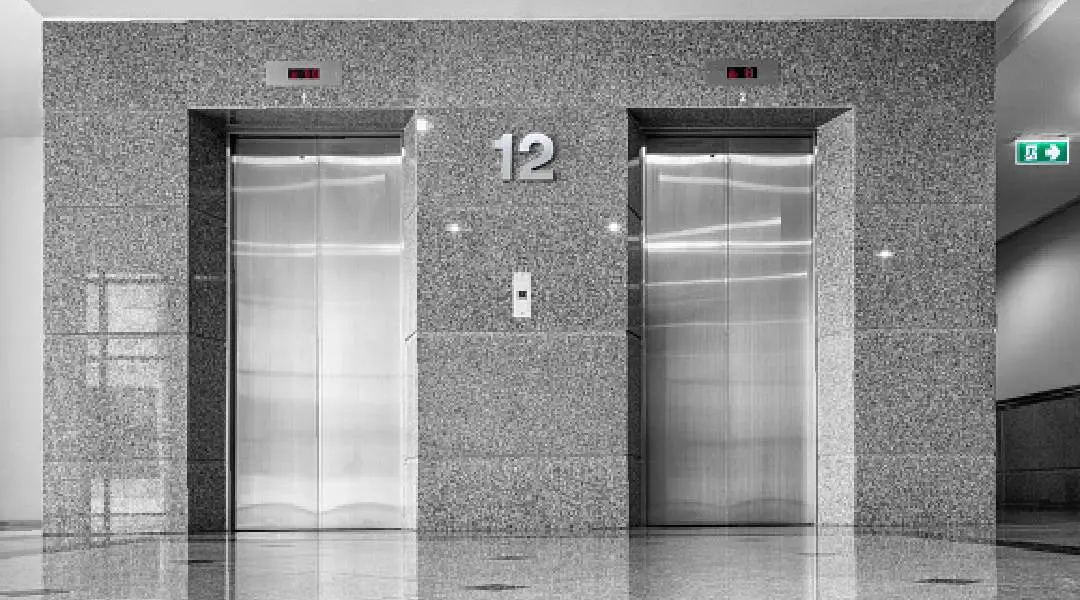
Some months ago, an incident at the Thiruvananthapuram Medical College has highlighted the potential dangers of elevator malfunctions. A 59-year-old man, on his way to get an X-ray for back pain, found himself trapped in a stalled elevator for hours. Despite pressing emergency buttons and trying to call for help, the lack of an intercom left him isolated. His phone battery eventually died, leaving him without any means of communication. "I had to relieve myself in a corner, screamed for help, and became exhausted from thirst and hunger," he recounted, adding that the elevator lacked a fan or light, though he felt some airflow, indicating oxygen supply. After hours, a lift operator finally discovered and rescued him.
Incidents like this are not uncommon. In India, Ahmedabad reports the highest number of elevator accidents, with research indicating that 61 per cent of residents have experienced elevator malfunctions, and 40 per cent have been stuck more than once. In the United States, elevators have been associated with 30 fatalities and 17,000 injuries since 2019, despite over a million elevators in operation across the country.
Tips for Handling an Elevator Malfunction:
- Stay Calm: While challenging, try to remain as relaxed as possible.
- Inform Others: Press the emergency button or intercom if available, or use a mobile phone if it’s working.
- Avoid the Doors: Don't attempt to force them open; stay back and wait for professional assistance.
- Remember Ventilation: Elevators are not airtight, so there will be airflow, preventing suffocation.
- Wait Patiently for Help: Rescue teams are trained to handle these situations and will arrive soon.
Recommended steps post-rescue
- Medical Check-Up: Following the rescue, it’s important for the individual to undergo a medical assessment.
- Psychological Support: Provide emotional support and encourage open conversation about the experience to ease any lingering fears.
Being trapped can be a traumatic experience, and individuals may experience post-traumatic stress disorder (PTSD), including anxiety, flashbacks, or a fear of enclosed spaces. Symptoms can emerge immediately or weeks later. In such cases, trauma therapy and, if necessary, medication can be highly effective, so seeking help is encouraged.