Clove water for skin: Does this viral trend really work for acne and glow?
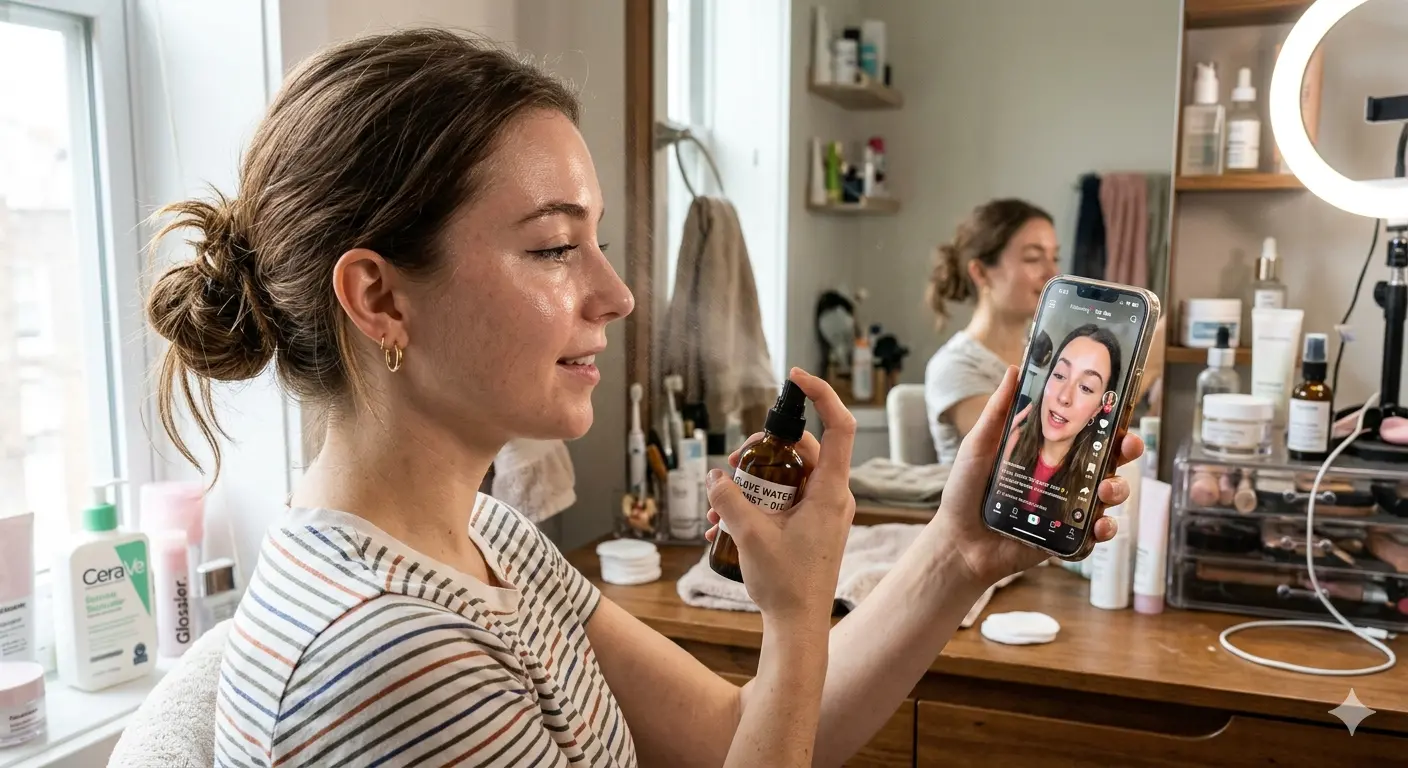
A new DIY skincare trend is making waves, and it is surprisingly simple. Clove water, made from a common spice, is being promoted as a quick fix for clearer and brighter skin. From quick DIY routines to glowing testimonials, this home remedy has caught attention for being easy, affordable, and rooted in traditional ingredients. But while it is gaining popularity online, many are still asking the same question: does it actually deliver the results it promises?
What the hype is all about
Much of the excitement around clove water comes from claims that it can improve skin in multiple ways. Influencers suggest it may help reduce acne, tighten pores, brighten the complexion, and even lighten skin tone over time.
Many of these routines are straightforward. Clove water is often used as a toner or facial mist after cleansing, making it an easy addition to daily skincare habits.
Also read: How to protect your skin when your daily bike ride is secretly damaging it
How clove water is made and used
The preparation is simple. Whole cloves are boiled in water, the mixture is allowed to cool, and it is then stored in a spray bottle. It can be applied once or twice a day, usually after washing the face.
This simplicity, combined with its low cost, is one of the reasons behind its growing popularity.
The science behind cloves
Cloves contain a compound called eugenol, which is known for its antimicrobial and anti-inflammatory properties. This explains why cloves have traditionally been used for issues such as dental pain and minor infections.
When applied to the skin, these properties may help reduce bacteria and calm inflammation, both of which are commonly linked to acne. However, what works in theory does not always translate into a safe or effective skincare solution when applied directly to the face.
What experts say
While many users share positive experiences such as clearer or more refreshed skin, results are not consistent.
The dramatic transformations often seen online, including claims of skin whitening or instant glow, are not supported by strong scientific evidence.
Also read: Why you should never try makeup testers in shops: Hidden health risks explained
Research specifically on clove water as a facial treatment is limited. Most available studies focus on clove oil or eugenol.
Laboratory findings suggest that eugenol has anti-inflammatory and antimicrobial effects, which could, in theory, help reduce acne and soothe irritated skin.
Some studies also indicate antioxidant properties that may contribute to a mild brightening effect over time.
However, experts advise caution. Eugenol is a strong compound and may irritate the skin, especially in higher concentrations. Dermatology research also points to risks such as contact dermatitis, redness, and in severe cases, reactions that resemble burns.
In simple terms, while there is some scientific support for its benefits, there is also clear evidence of potential side effects.
Does it really work for acne?
Clove water may offer mild benefits for certain people, particularly those with oily or acne-prone skin. Its antibacterial properties could help reduce acne-causing bacteria, while its anti-inflammatory nature may ease redness and swelling.
That said, it is not a one-size-fits-all solution. Acne is influenced by several factors including hormones, genetics, diet, and overall skincare routines. Relying on a single homemade remedy is unlikely to address all of these aspects.
(Disclaimer: This article is for general informational purposes only. It does not constitute professional advice of any kind. Readers are advised to use their own discretion and consult relevant experts where necessary)