Can this new serum really regrow hair in 20 days? Scientists reveal what’s true
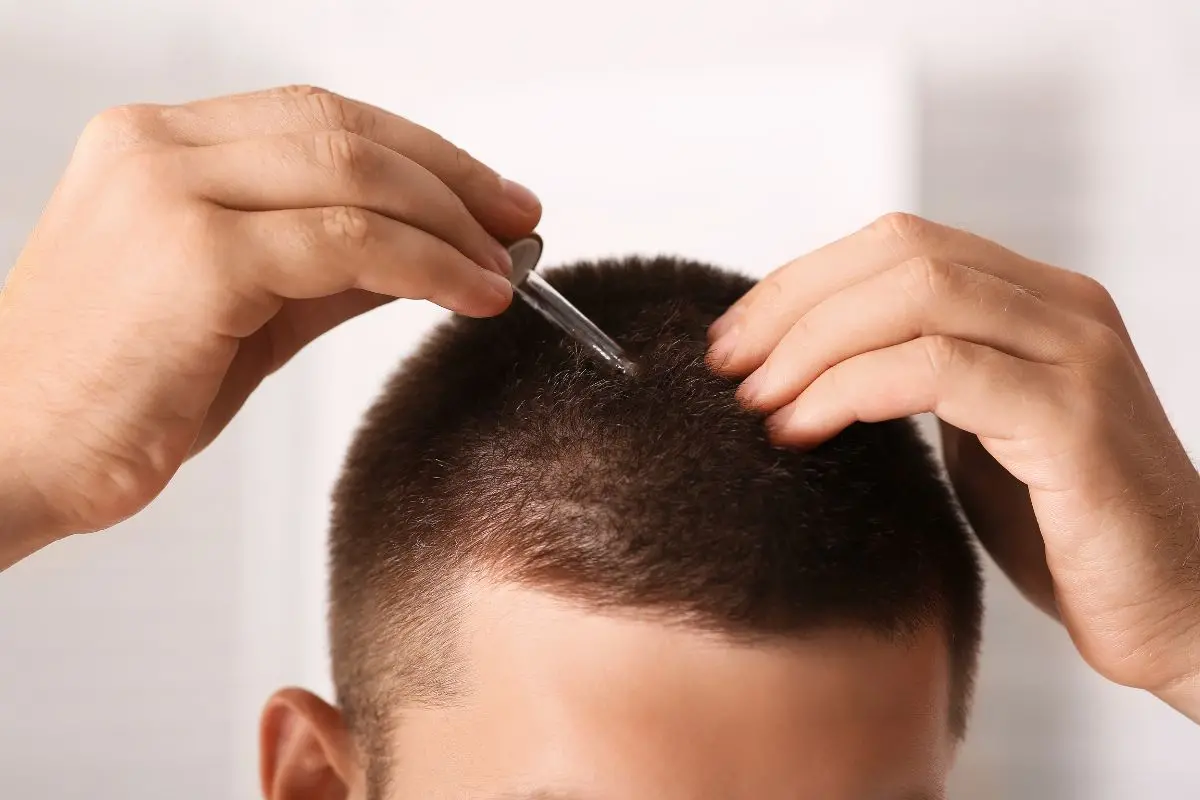
In an era of skincare fads and viral beauty claims, a new “miracle” product seems to have entered the spotlight, a serum that promises to restore hair in just 20 days. The claim stems from a genuine scientific study, not a marketing gimmick, and has sparked huge curiosity among those struggling with hair loss.
Conducted by researchers at National Taiwan University and published in the peer-reviewed journal Cell Metabolism, the study explores how naturally occurring fatty acids in the body might help reactivate dormant hair follicles. While the early findings are fascinating, experts urge people not to rush into excitement just yet.
What the research actually found
The study, titled “Adipocyte lipolysis activates epithelial stem cells for hair regeneration through fatty acid metabolic signalling”, was led by Professor Sung-Jan Lin and his team at the National Taiwan University Hospital.
Researchers discovered that when the skin sustains a mild injury, immune cells known as macrophages spring into action to repair the damage.
During this process, nearby fat cells, or adipocytes, release monounsaturated fatty acids (MUFAs) such as oleic acid and palmitoleic acid. These fatty acids are then absorbed by hair follicle stem cells through a transporter called CD36, which activates a protein known as PGC1-a. This protein plays a key role in controlling how cells use energy and renew themselves.
When the team applied these same fatty acids directly to shaved mouse skin, new hair growth appeared within around 20 days. The finding suggests that MUFAs can stimulate hair growth even without injury. Encouraged by the results, the researchers have already filed a patent and are exploring topical serum formulations that could one day be tested for human use.
Why these findings are so promising
The research opens an exciting new chapter in hair restoration science. It identifies a biological pathway that connects fat metabolism with hair follicle activity, a link that scientists have long suspected but never confirmed so clearly.
Unlike current treatments such as minoxidil or finasteride, which mainly target blood flow or hormone levels, this discovery focuses on metabolic signalling. That could make future treatments both safer and more natural, as the key fatty acids involved — oleic and palmitoleic acid — are already found in human sebum and in foods like olive oil and nuts.
If this mechanism proves effective in people, it might pave the way for a gentler, biologically compatible approach to hair regrowth.
What you should be careful about
As exciting as the research sounds, the viral “20-day hair growth” claim needs a bit of perspective. The experiment was done only on mice, and their hair growth cycle is much faster than that of humans. What works on shaved mouse skin under laboratory conditions might not work the same way on human scalps affected by pattern baldness or hormonal hair loss.
It’s also worth noting that one of the researchers informally tested the formula on his own thighs and noticed some hair growth.
But anecdotal self-experiments are not scientific proof. No clinical trials on humans have been conducted yet, which means we still don’t know whether this formula is safe, effective, or suitable for regular use.
Experts further caution that while fatty acids are naturally present in the body, applying them in concentrated doses could irritate the scalp or disturb the skin microbiome.
Until proper safety and dosage data are available, the so-called “hair restoration serum” should be viewed as an experimental concept, not a ready-to-use product.
There’s no denying that the buzz around this study has real scientific backing, it’s not just another viral hoax. The findings published in Cell Metabolism highlight a promising new approach to understanding hair growth, but the “20-day miracle” is still far from being a proven fact for humans.
If future clinical trials confirm safety and success in people, this could potentially transform the way we approach hair loss treatment. Until then, experts suggest sticking to doctor-approved products, maintaining a balanced diet, managing stress, and practising good scalp hygiene for naturally healthier hair.