Boomerang generation: Why living with parents is the new normal for city youth
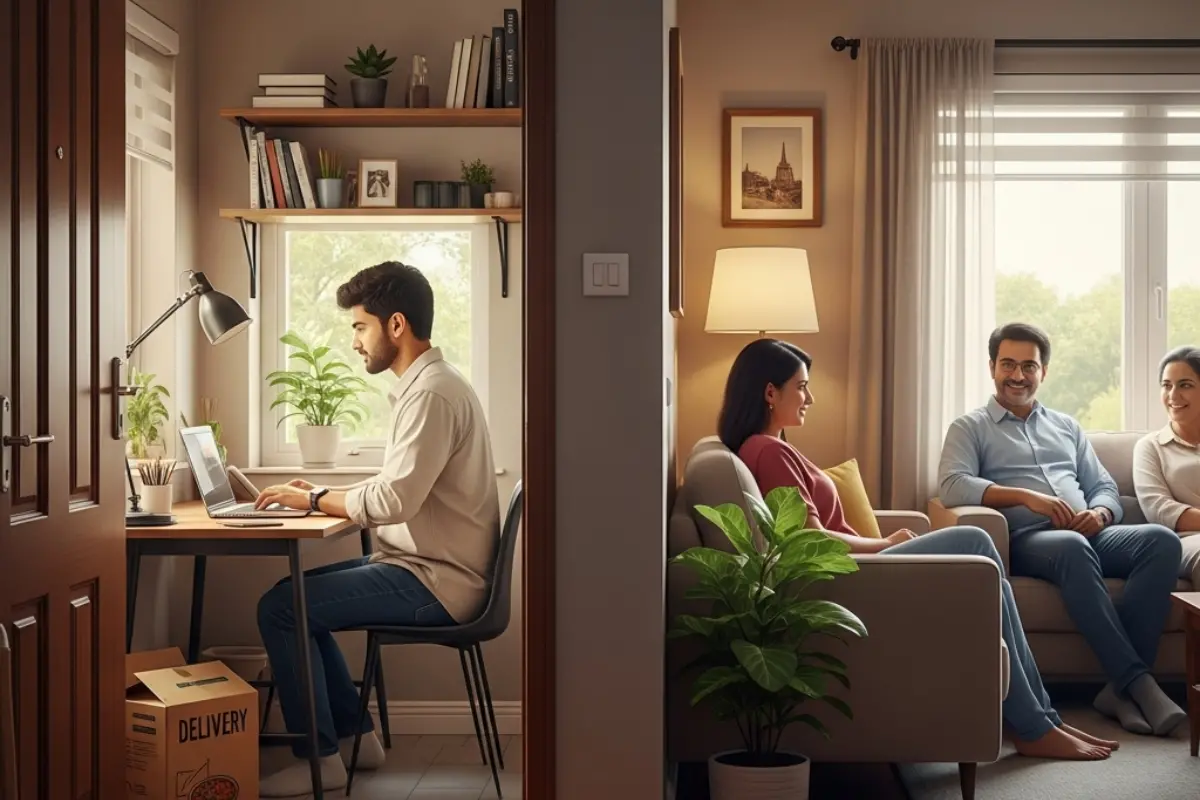
The so-called “boomerang” lifestyle has evolved from being a temporary response to financial difficulty into a structural social pattern across many urban societies by 2026. The trend reflects growing economic pressure, delayed financial independence and the rise of digital work cultures that allow flexible living arrangements.
For many young adults, moving back home is no longer a short-term solution. Take Ayesha, a 28-year-old software developer in Bengaluru, who returned home after struggling to find affordable rent near her office. Like her, millions are rethinking independence, treating the parental home as a base to save money, pay off student loans, or explore career options. By 2026, this trend has become a structural feature of urban life rather than a temporary response to economic shocks.
1. Housing costs and financial pressures
The primary reason adult children stay at home is skyrocketing housing costs. In cities like Mumbai or Delhi, renting a one-bedroom apartment can take up nearly 45% of an entry-level salary. With limited savings and rising education debt, independence often feels out of reach. For example, Rohit, a 27-year-old teacher in Delhi, continues to live with his parents to pay off his student loan while still covering daily expenses comfortably.
2. Internal suburbanisation: redefining the home
Modern homes have adapted to this new reality. Families are creating private zones: spare rooms become home offices, gaming or study pods, and high-speed internet allows each resident to maintain separate work or social routines. This “internal suburbanisation” means that even under one roof, young adults can live independently while sharing a home.
Aslo read: Only 18% of young women in India have paid jobs, compared to 79% men: Report
3. Privacy and autonomy in multi-generational homes
Privacy is the new currency in shared households. Many young adults limit discussions about personal plans, finances, or dating life to maintain autonomy. Psychologists note that this is a natural response to living in close quarters with parents. For instance, Priya, a marketing executive in Pune, communicates her work meetings via instant messaging rather than family calls, carving out a private space even at home.
4. Changing consumption patterns
E-commerce has transformed the boomerang lifestyle. Young adults now order groceries, gadgets, and clothes online, often delivered directly to their room. This independence in consumption reduces friction in shared households and supports individual routines without intruding on family spaces.
5. A strategic retreat, not failure
Contrary to outdated stereotypes, staying at home is not “failure to launch.” It is a calculated decision to balance financial security, career flexibility, and lifestyle convenience. Experts argue that multi-generational living is a practical adaptation to rising costs, urban congestion, and the gig economy.
6. Comparing the 1990s and 2026 home
| Feature | 1990s “Empty Nest” | 2026 “Full Nest” |
|---|---|---|
| Living space | Formal dining rooms & guest beds | Home offices & extension pods |
| Communication | Phone calls, scheduled check-ins | Instant messaging even between rooms |
| Meals | Family dinner at 7 PM | Individualised meals and staggered schedules |
| Economy | Shared household budget | Independent digital consumption, e-commerce |
The boomerang lifestyle reflects a larger social and economic transformation. As urban living costs rise and career paths become less linear, returning to or staying in the parental home is increasingly seen as a smart, strategic choice. Multi-generational living is set to remain a defining feature of urban households, shaping how young adults approach independence, privacy, and family life in the 2020s.