Autism in India: Facts vs myths every parent needs to understand
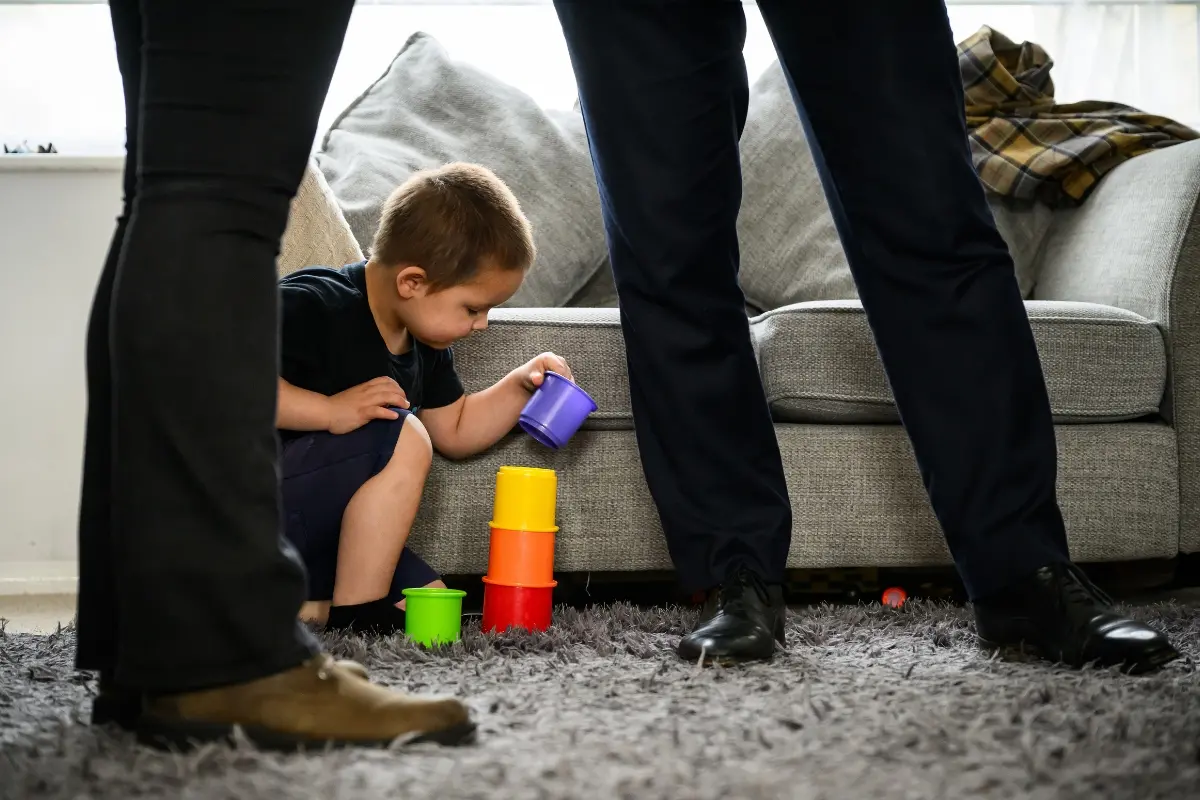
An estimated two million children in India are on the autism spectrum, with 1 in 65 children aged two to nine showing signs of the condition. Early indicators include delayed speech, limited gestures such as pointing, and repetitive behaviours like hand-flapping.
Autism is a neurological condition, not a disease or mental illness, and can range from mild to severe, often coexisting with anxiety or epilepsy. Common misconceptions include the ideas that autism results from poor parenting or can be cured. Research highlights genetic and environmental factors as the primary causes.
Cultural stigmas in India often delay diagnosis due to a lack of awareness and limited access to screening tools such as INDT-ASD or ADI-R. Government initiatives like Sarva Shiksha Abhiyan provide free education and facilities, including shadow teachers, to support children with autism.
Common myths vs facts:
- Myth: Non-speaking autistic children aren’t intelligent.
Fact: Studies show that non-speaking autistic children often have strong nonverbal cognitive skills and can perform as well as—or even better than—their peers on problem-solving tasks.
- Myth: Autism results from bad parenting.
Fact: Autism originates during early brain development. Parenting style neither causes nor cures autism, though a supportive environment helps children thrive.
- Myth: Autism equals intellectual disability.
Fact: Autism affects communication, behaviour, and sensory processing, but many autistic children have average or above-average intelligence and can excel in subjects requiring focus, such as mathematics, memory, or art.
- Myth: All autistic children have intellectual disabilities.
Fact: Research shows that two-thirds of autistic children do not have an intellectual disability, and each child’s developmental trajectory is unique.
Armed with these facts, parents can focus on early detection and tailored support, embracing neurodiversity to help children reach their full potential. Utilising expert guidance and community networks, families can foster inclusive growth and ensure that children with autism do not face challenges alone.
Autism spectrum disorder affects millions of Indian children, yet misconceptions persist. Recognising early signs such as delayed speech and repetitive behaviours is crucial for timely intervention. Autism is neurological and may coexist with other conditions like anxiety or epilepsy, but it is not caused by parenting practices.
Common myths—such as non-speaking children being unintelligent or all autistic children having intellectual disabilities—are scientifically unfounded. Children on the spectrum display diverse abilities, and support through education, therapy, and community inclusion is essential.
Government initiatives like Sarva Shiksha Abhiyan aim to integrate children with special needs into mainstream education, offering resources such as shadow teachers. By understanding the facts, parents can challenge stigma, provide early intervention, and support their child’s development within an inclusive society. Early detection, evidence-based interventions, and embracing neurodiversity are key to enabling children on the spectrum to thrive.