Why ADHD can be a professional strength — and how to harness it
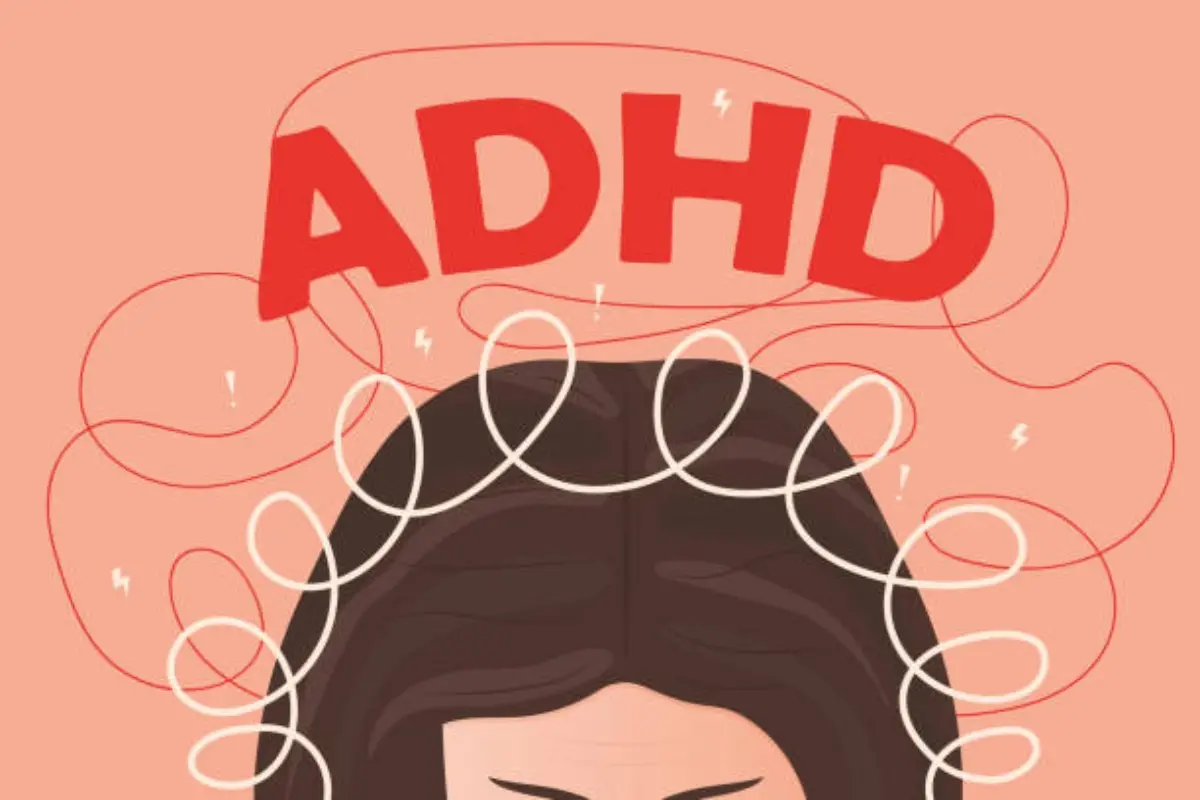
For many adults, Attention-Deficit/Hyperactivity Disorder (ADHD) often goes unrecognised until a family member is diagnosed.
That was the case for Jeremy Didier, who realised she had ADHD while waiting with her son during his evaluation. A magazine article describing how ADHD presents in women suddenly made everything make sense: the impulsiveness, the constant talking in class, the speeding tickets.
Didier’s story is not unusual. Many adults discover their own ADHD traits only later in life. Today, she leads an international support organisation for people living with ADHD.
What ADHD looks like at work
ADHD is a neurodevelopmental condition characterised by inattention, impulsivity, and sometimes hyperactivity. In the workplace, it may present as disorganisation, difficulty focusing, missing deadlines, or blurting things out in meetings.
But ADHD isn’t just a list of problems. Many people say it also comes with strengths — such as creativity, persistence, and fresh ways of thinking.
“Our brains work differently,” says Didier. “That helps us find creative solutions because we’ve spent a lifetime figuring out how to work around obstacles.”
Here are practical strategies that can help people with ADHD manage challenges and thrive at work.
1. Break down big tasks
Bill Collins, a professional chef, was diagnosed with ADHD at 64. Without knowing it, he had already developed coping strategies — like dividing the kitchen into zones and writing detailed task lists. He numbers each item to stay organised and tackles the hardest task first to stay on track.
2. Try body doubling
This technique involves working in the presence of another person — either online or in-person — even if you’re not doing the same task. Just having someone there can help improve focus and accountability. It’s a widely used method among adults with ADHD who find solo work overwhelming.
3. Use tools that support executive function
People with ADHD often struggle with executive function — the brain’s way of organising, planning, and managing time. Strategies that can help include:
- Breaking projects into smaller steps
- Using to-do lists and reminders
- Setting time limits
- Visual calendars or planning apps
Some organisations also provide AI-based tools that help break down large tasks or send deadline alerts — a useful support for neurodivergent workers.
4. Request workplace adjustments
In many countries, employees with ADHD are eligible for workplace accommodations. These might include:
- Flexible work hours
- Quiet workspaces or noise-cancelling headphones
- Scheduled short breaks to reset focus
- The option to work remotely
- Extra time for task planning or meetings
Short work sprints followed by five-minute breaks — sometimes called “focus cycles” — have also been shown to help with productivity and attention.
5. Prepare for meetings
Meetings can be tough for people with ADHD — especially when they involve long discussions or unclear agendas. These tips can help:
- Request an agenda in advance
- Write down points you want to raise
- Take notes to stay engaged
- Use real-time captions or transcription apps
- Sit near the speaker or hold a small object (like a pen or fidget tool) to stay grounded
- Step out briefly if your focus slips — it’s okay to reset and return
6. Build or join a support network
When Didier and four of her five children were diagnosed with ADHD, she felt overwhelmed. What helped most wasn’t just therapy or medication, but talking to other parents going through the same thing.
Today, she runs support groups for adults and encourages workplaces to create neurodiversity groups — safe spaces where employees can share strategies, challenges, and support.
7. Focus on strengths, not just struggles
While ADHD comes with difficulties, it can also be a source of energy, passion, and creativity.
Antoinette Damico, 23, who works in the events sector, uses mindfulness, avoids distracting apps, and journals her goals to stay focused. When something truly excites her, she becomes deeply engaged.
“It really creates this grit in me,” she says. “When I care about something, I get this extra burst of energy.”
Didier agrees: “ADHD can mean out-of-the-box thinking, adaptability, and innovation — qualities that are hugely valuable in any profession.”
ADHD isn’t a professional roadblock — it’s a different way of experiencing the world. With the right tools, mindset, and support, adults with ADHD can turn their differences into strengths and bring unique value to any workplace.