Looking for that Japanese literature feeling? Start with these 10 books
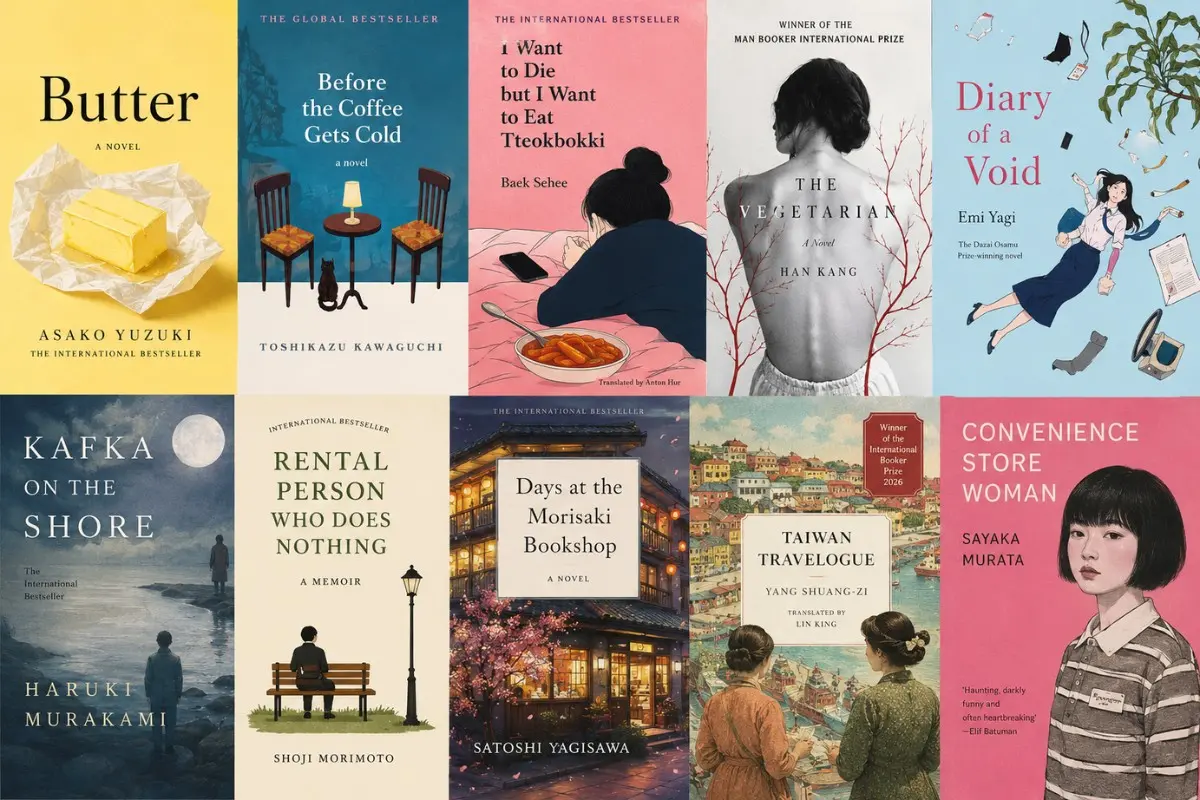
There is something about Asian literature that keeps pulling me back. Maybe it is the way ordinary moments are made to feel profound, or how even the quietest stories leave a lasting impact.
Over the past few years, these books have become hugely popular among readers around the world, and for good reason.
If you are looking to dip your toes into Japanese literature, or simply want your next great read, these are the books I would personally recommend.
Some are comforting, some are unsettling, and a few might leave you staring at the ceiling long after you've finished the final page.
1. Butter by Asako Yuzuki
If you enjoy books that make you think as much as they entertain, Butter is where I would start. Inspired by the real-life case of a Japanese woman convicted of murdering several men, the novel follows journalist Rika Machida as she investigates a notorious female prisoner through conversations about food.
The book explores sexism, beauty standards, obsession and the expectations placed on women in Japanese society. It also happens to contain some of the most memorable food writing I have ever read.
Why I think it's worth reading
It is far more than a crime story. It asks uncomfortable questions about how society judges women and does so through a gripping, character-driven narrative.
2. Before the Coffee Gets Cold Series by Toshikazu Kawaguchi
This beloved series begins in a small Tokyo café where customers can travel back in time, provided they follow a strict set of rules and return before their coffee gets cold. What sounds like a fantasy novel quickly becomes a deeply emotional exploration of love, regret, grief and second chances. The series started as a stage play before becoming a bestselling novel.
Why I think it's worth reading:
Few books capture the feeling of wanting just one more conversation with someone. These stories are gentle, comforting and surprisingly moving.
3. I Want to Die but I Want to Eat Tteokbokki by Baek Sehee
Although this book is Korean rather than Japanese, it often appears on the same reading lists because of its candid and accessible approach to mental health.
Written by author and social media director Baek Sehee, it combines conversations from her therapy sessions with personal reflections on anxiety, self-doubt and everyday struggles.
Why I think it's worth reading:
I appreciate how honest and relatable it feels. It tackles difficult emotions without becoming overwhelming and reminds readers that many people share the same worries.
4. The Vegetarian by Han Kang
Another Korean novel that deserves a place on this list, The Vegetarian tells the story of Yeong-hye, a woman whose decision to stop eating meat causes shockwaves through her family and society. The novel examines control, identity, desire and resistance in a way that is both disturbing and unforgettable.
Why I think it's worth reading:
It is one of those rare books that challenges you as a reader. You may not always feel comfortable while reading it, but you are unlikely to forget it.
5. Diary of a Void by Emi Yagi
This sharp and witty novel follows a woman working in a male-dominated office who becomes tired of being expected to do tasks that fall outside her job description.
In a moment of frustration, she pretends to be pregnant, and the lie begins to reshape her life. The novel explores workplace culture, loneliness and gender expectations, and won Japan's Dazai Osamu Prize.
Why I think it's worth reading:
It is funny, clever and surprisingly thought-provoking. Beneath the humour is a serious look at the pressures many women face at work.
6. Kafka on the Shore by Haruki Murakami
No list of Japanese literature feels complete without Haruki Murakami. Kafka on the Shore follows two seemingly unrelated characters whose lives become connected through a dreamlike and surreal narrative filled with talking cats, mysterious prophecies and philosophical questions.
Why I think it's worth reading:
This is the book I recommend to anyone curious about Murakami. It is strange, imaginative and beautifully written, while still being emotionally engaging.
7. Rental Person Who Does Nothing: A Memoir by Shoji Morimoto
Based on the author's real-life experience, this memoir tells the story of how Shoji Morimoto turned himself into a rental companion who offers his presence without providing any particular service. People hire him simply to accompany them, listen or share a moment.
Why I think it's worth reading:
It is a fascinating look at loneliness, human connection and modern life. The stories are simple, but they reveal a lot about what people truly need from one another.
8. Days at the Morisaki Bookshop by Satoshi Yagisawa
This charming novel follows Takako, a young woman whose life falls apart after a painful breakup. She ends up living above her uncle's second-hand bookshop in Tokyo's famous bookselling district and slowly begins rebuilding her life through books, friendships and family. The novel became a bestseller and won the Chiyoda Literature Prize.
Why I think it's worth reading:
As someone who loves bookshops, this one felt like a warm hug. It is cosy, hopeful and perfect for readers who enjoy quiet stories about fresh starts.
9. Taiwan Travelogue by Yang Shuang-zi
Originally written in Mandarin and translated into English, Taiwan Travelogue blends food, travel and history while exploring Taiwan during the Japanese colonial period. Through the journey of two women, the novel examines culture, identity and power with remarkable detail.
The novel also gained international recognition after winning the International Booker Prize 2026, becoming the first book translated from Mandarin Chinese to receive the award.
Why I think it's worth reading:
I loved how it uses food and travel to tell a much bigger story about history and belonging. It is immersive and incredibly rich in atmosphere.
10. Convenience Store Woman by Sayaka Murata
This modern classic follows Keiko Furukura, a woman who has worked in the same convenience store for years and feels more comfortable with its routines than with society's expectations. As friends and family pressure her to conform, she begins questioning what a "normal" life really means.
Why I think it's worth reading:
It is funny, sharp and surprisingly profound. The book challenges the idea that there is only one correct way to live and succeeds in doing so with humour and heart.
If I had to choose just one book from this list to start with, I would probably hand you Butter if you enjoy thought-provoking fiction, or Days at the Morisaki Bookshop if you are looking for comfort. Either way, you are in for a memorable reading experience.