Kerala sees surge in tick flea cases; Farmers and outdoor workers urged to take caution
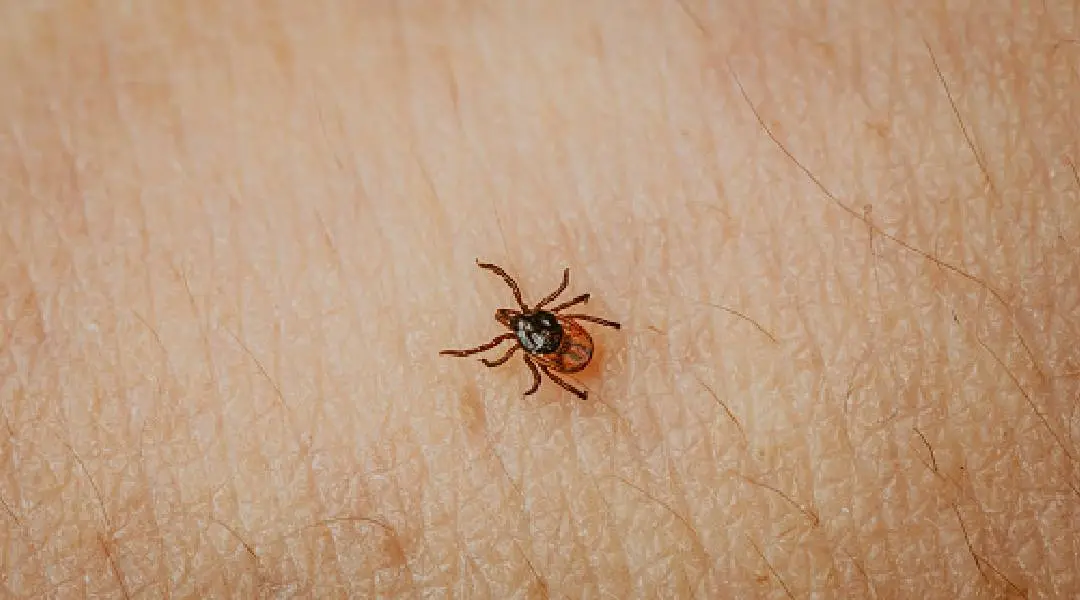
Palakkad: Following the outbreak of rat fever, Kerala is now witnessing a rise in tick flea cases. In July alone, 88 individuals have been diagnosed with tick fever also known as scrub typhus, with four seeking treatment for symptoms. A suspected smallpox death has also been reported.
These figures cover the period from July 1 to 24. In comparison, 36 cases were reported in June and 29 in May, with one fatality due to the disease.
Farmers and workers, who frequently come into contact with grasses and plants, are at a higher risk of infection. Health experts advise that anyone exhibiting symptoms should seek medical attention promptly. Scrub typhus is a fever caused by the bacterium Orientia tsutsugamushi, typically transmitted by fleas from rats and other animals. When an infected flea bites a human, the disease can be contracted.
Symptoms usually appear within two weeks of a flea bite and include a black mark at the bite site, fever, severe headache, body spots, and shivering. In July, Thiruvananthapuram district reported the highest number of cases, with 73. Other districts affected include Kollam (5 cases), Pathanamthitta (1 case), Idukki (1 case), Kottayam (2 cases), Ernakulam (1 case), Palakkad (3 cases), and Kozhikode (2 cases).
Understanding tick fever
Scrub typhus is an infectious disease caused by the bacterium Orientia tsutsugamushi. These pathogens are mainly found in rodents, squirrels, and rabbits, but do not cause illness in these animals. The disease is transmitted to humans by chigger mites, the larval stage of small insect mites.
Symptoms
Symptoms manifest 10 to 12 days after a chigger mite bite, initially appearing as a small red bump that turns into a black sore (scar). These scars typically appear in or around armpits, legs, genitals, and neck. Main symptoms include fever with chills, headache, red eyes, sore throat, muscle pain, and dry cough. Some cases may lead to complications affecting the brain and heart, necessitating immediate medical attention.
Diagnosis
Scrub typhus can be challenging to diagnose due to symptom similarities with typhoid, rat fever, and dengue. Diagnosis is aided by considering the disease prevalence in the patient’s area, the presence of scars, and blood test results. Prolonged fever lasting more than a week should prompt an investigation for tick fever. Early detection allows for effective antibiotic treatment.
Disease control methods
Chigger mites that transmit scrub typhus can be exterminated using insecticides. It is crucial to inform the nearest health centre or health workers immediately if the disease is confirmed.
Preventive measures
- Wear clothing that covers the body when playing or working on grass.
- As chigger mites enter through hands and feet, ensure limbs are well-covered.
- Conduct rodent control activities, cut grass, and maintain clean surroundings.
- Dispose of food waste properly to prevent attracting rodents.
- After returning from meadows or forested areas, thoroughly wash the body and clothes with hot water and soap.
- Avoid washing clothes and drying them on the ground or grass.
- Use gloves and socks when working in areas prone to infestations.