Dengue Fever: Don’t avoid symptoms, exercise extreme caution
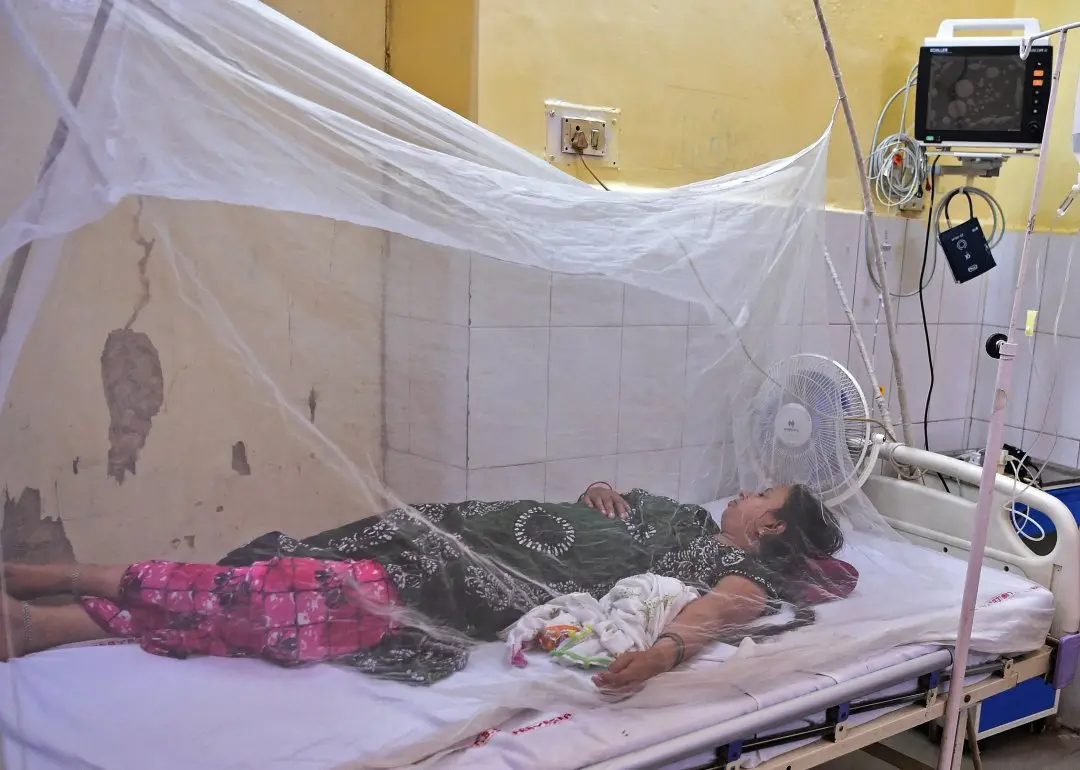
The health experts have advised the public to exercise extreme caution as dengue fever cases have been reported in the state. The health department indicated the possibility of the spread of infectious diseases in the monsoon. Any dengue fever symptoms shouldn’t be self-treated, and immediate medical attention should be taken, alerted the health officials.
What is Dengue fever?
Dengue is a viral infection caused by the bite of mosquitoes, and the primary vectors of dengue are Aedes mosquitoes that grow in fresh waters. They are commonly seen during day time. The symptoms will appear 3-14 days after the virus enters the body.
Symptoms
High Fever with chills, headache, pain in the back of the eyes, pain in muscles and joints, rashes or red spots, nausea or vomiting are the initial symptoms seen in patients.
Notice the danger signals
Continuous vomiting after the fever subsides, headache, bleeding from any part of the body, black stool, breathing difficulties, red rashes on the body, low blood pressure, and continuous crying in children are the significant signals of dengue fever. If these signs are seen, it is advised to get immediate medical attention.
Treatment is very Important
The most important thing is to get treatment on time. The patients should take proper rest. Even after the fever subsides, they should be careful for 3-4 more days. Drinking fluids like salted porridge water, coconut water, and fruit juices is advised for the patients. Patients should sleep and rest inside mosquito nets.
Precautions
- Avoid the stagnation of water to avoid the spread of mosquitoes.
- Safely remove coconut shells, plastic utensils, insoluble wastes, useless tires, and buckets weekly.
- Protect water storage using mosquito nets or clothes.
- Use creams and long clothes on your body to avoid mosquito bites.
- Observe a dry day weekly by destroying mosquito breeding places.