From frigates to submarine: India's warship trifecta takes to the seas
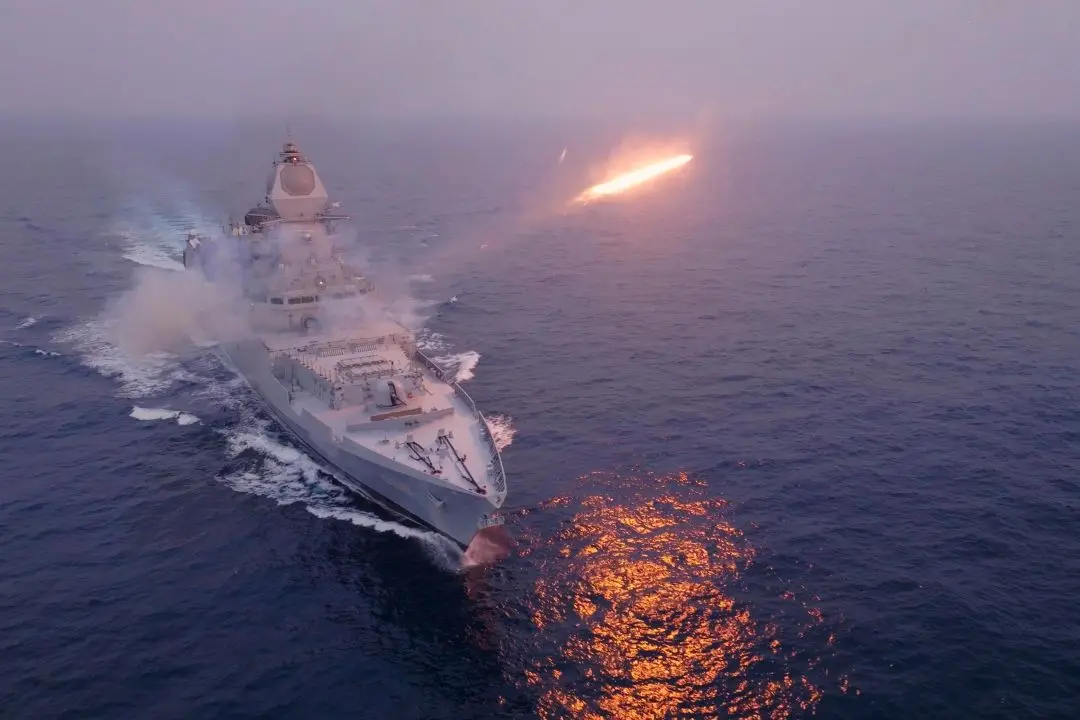
In a significant milestone for India's naval strength and shipbuilding expertise, the Indian Navy welcomed three advanced warships into its fleet on January 15. These include INS Nilgiri, the first stealth frigate from the Project 17A series; INS Surat, the last stealth destroyer from the Project 15B series; and INS Vaghsheer, the final submarine under the Scorpene-class project.
This marks a proud moment for India, showcasing the country’s growing capabilities in building modern and powerful naval vessels. The commissioning, held at the Naval Dockyard in Mumbai, marks a major step forward in boosting India's naval strength and combat capabilities.
All three warships have been carefully designed and built at Mazagon Dock Shipbuilders Limited (MDL) in Mumbai, highlighting India's strong focus on becoming self-reliant in defense manufacturing.
Distinguishing the Defenders: Frigates vs Destroyers
While both frigates and destroyers are crucial surface combatants in the Indian Navy, they differ in size, roles, and capabilities.
Frigates are generally smaller, typically around 100-150 meters in length and displacing 3,000-6,000 tonnes. They focus on escort duties, anti-submarine warfare, and patrolling.
Destroyers, on the other hand, are larger, usually exceeding 150 meters in length and displacing 6,000-10,000 tonnes or more. They are designed for air defense, anti-surface warfare, and command roles, often leading naval task forces.
Think of frigates as versatile defenders and destroyers as powerful guardians. The Indian Navy utilizes both classes to ensure a balanced and capable fleet, ready to protect India's maritime interests.
Nilgiri: A Silent Hunter
INS Nilgiri, the first ship of Project 17A, is a big upgrade from the Shivalik-class frigates. It comes with advanced stealth features and a design that makes it harder to detect by radar. Equipped with modern technology, Nilgiri is a powerful addition to the Navy’s fleet.
* Project 17A is the Indian Navy's ambitious program to build seven advanced stealth frigates at an estimated cost of Rs 50,000 crore (approximately $6 billion USD). These warships are equipped with modern weapons and sensors, including BrahMos missiles and long-range surface-to-air missiles. They are designed for anti-submarine warfare, air defense, and surface warfare, significantly boosting India's naval capabilities.
* The Shivalik-class frigates are the Indian Navy's first indigenously designed warships with stealth features. They are multi-role frigates, meaning they can perform a variety of tasks, including anti-submarine warfare, air defense, and surface attacks. They displace around 6,200 tonnes and are approximately 143 meters long, showcasing India's advanced shipbuilding capabilities.
INS Surat: Destroyer of the Seas
INS Surat is the last ship in the Project 15B destroyer program, following the successful Kolkata-class destroyers (Project 15A). It features an improved design and upgraded capabilities, making it more advanced.
According to Navy officials, the ship is 75% indigenously built and comes equipped with state-of-the-art weapon and sensor systems, along with advanced network-centric technology.
Both INS Nilgiri and INS Surat were designed by the Indian Navy’s Warship Design Bureau. They are equipped with advanced weapons and sensor systems, many of which are made in India or developed through partnerships with top global defense companies.
These warships are fitted with modern aviation facilities, allowing them to operate various helicopters like Chetak, ALH, Sea King, and the newly added MH-60R. They can carry out these operations both during the day and at night.
The warships are equipped with advanced features like a Rail-Less Helicopter Traversing System and a Visual Aid and Landing System. These systems make helicopter operations smooth and efficient in any weather or condition.
The Rail-Less Helicopter Traversing System is a modern mechanism that moves helicopters on the deck without the need for traditional rails, making the process faster and safer. The Visual Aid and Landing System helps pilots land more easily by providing clear guidance, especially during challenging conditions like bad weather or low visibility.
Both INS Nilgiri and INS Surat have special accommodations designed to support women officers and sailors. This reflects the Navy’s efforts to promote gender equality and include more women in key combat roles on the frontlines.
INS Vaghsheer: Silent Hunter Unleashed
INS Vaghsheer is the sixth Scorpene-class submarine built under the Kalvari-class Project 75. Known for its stealth and flexibility, it is one of the quietest and most advanced diesel-electric submarines in the world. It is designed to handle many tasks, including attacking enemy ships, hunting submarines, gathering intelligence, patrolling areas, and supporting special missions.
INS Vaghsheer is equipped with wire-guided torpedoes, anti-ship missiles, and advanced sonar systems to detect and track targets underwater. It is built using a modular design, which means its parts are constructed separately and then assembled. This design makes it easier to upgrade in the future, such as adding Air Independent Propulsion (AIP) technology. AIP allows the submarine to stay underwater for longer periods without needing to surface, making it even more effective in stealth missions.
The commissioning of these three advanced warships highlights India’s impressive progress in building its own defense equipment and warships. Each ship has been thoroughly tested through various trials to check its machinery, hull strength, fire-fighting systems, damage control, and navigation and communication equipment. These tests ensure the ships are fully prepared and ready for deployment.
The author of this article is a Defence, Aerospace & Political Analyst based in Bengaluru.