Word of the Day, August 14: ‘Sovereignty’
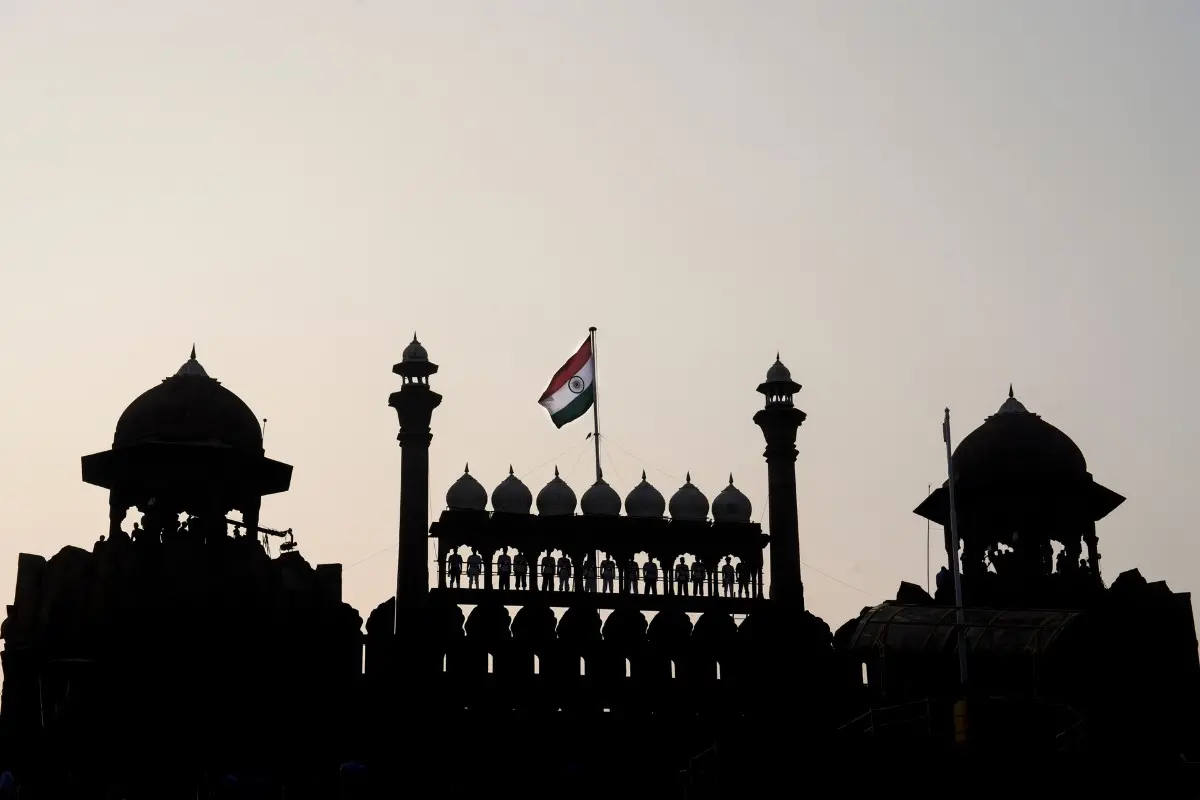
Word of the Day: SOVEREIGNTY
Pronunciation: UK /ˈsɒv.rɪn.ti/ US /ˈsɑːv.rən.t̬i/
Meaning
'Sovereignty' means the supreme authority or power to govern a country or state without being controlled by another country. It can also refer more broadly to a state's independence and its right to make its own laws and decisions.
In simple terms, sovereignty is a country's right to govern itself.
Examples for daily usage
- India gained sovereignty after the end of British rule.
- Questions of sovereignty can become complicated when two countries claim the same territory.
Origin and history
The word "sovereignty" dates back to the late 14th century. It came into English through Anglo-French ‘sovereynete’ and Old French ‘souverainete’, from sovereign, meaning "supreme" or "highest in authority".
The older meaning of sovereignty referred to supreme authority, power or rank. The more specific meaning of a country existing as an independent state emerged by the early 18th century.
The word sovereign itself can be traced through Old French to Vulgar Latin superanus, meaning "chief" or "principal", ultimately related to the Latin super, meaning "above".
Also Read: Word of the Day, August 13: ‘Quomodocunquizing’
Cultural significance and modern usage:
Sovereignty is particularly important when discussing independence, international relations, borders and government. A sovereign country has the authority to make decisions within its territory and conduct its affairs without being subject to another state's control.
The word has a special significance for India. The Preamble to the Constitution of India describes the country as a "Sovereign Socialist Secular Democratic Republic". The Constitution was adopted by the Constituent Assembly on November 26, 1949.
India's sovereignty is also reflected in its laws governing its territory and maritime areas. For example, Indian law states that India's sovereignty extends to its territorial waters and the seabed and subsoil beneath them.
Interesting facts
The related word "sovereign" was originally used for a supreme ruler, such as a king or queen.
The modern political idea of sovereignty does not necessarily mean that a country can do absolutely anything it wants. States operate within their own constitutions, domestic laws and international obligations.
In India, the word has constitutional significance because "Sovereign" is one of the words used to describe the nature of the Indian Republic in the Preamble.
Examples from literature
- “Sovereignty, for the same reason as makes it inalienable, is indivisible.” — Jean-Jacques Rousseau, The Social Contract (1762)
- “In which the sovereignty is an Artificiall Soul, as giving life and motion to the whole body.” — Thomas Hobbes, Leviathan (1651)
Synonyms
- Independence
- Self-government
- Autonomy
- Supremacy
- Authority
- Self-rule
- Dominion
Antonyms
- Subjugation
- Dependence
- Submission
- Subordination
- Occupation
- Domination
- Powerlessness
Read more Word of The Day here