'It's not difficult to do a PhD in India; it's just that in many universities...': Manu S Pillai
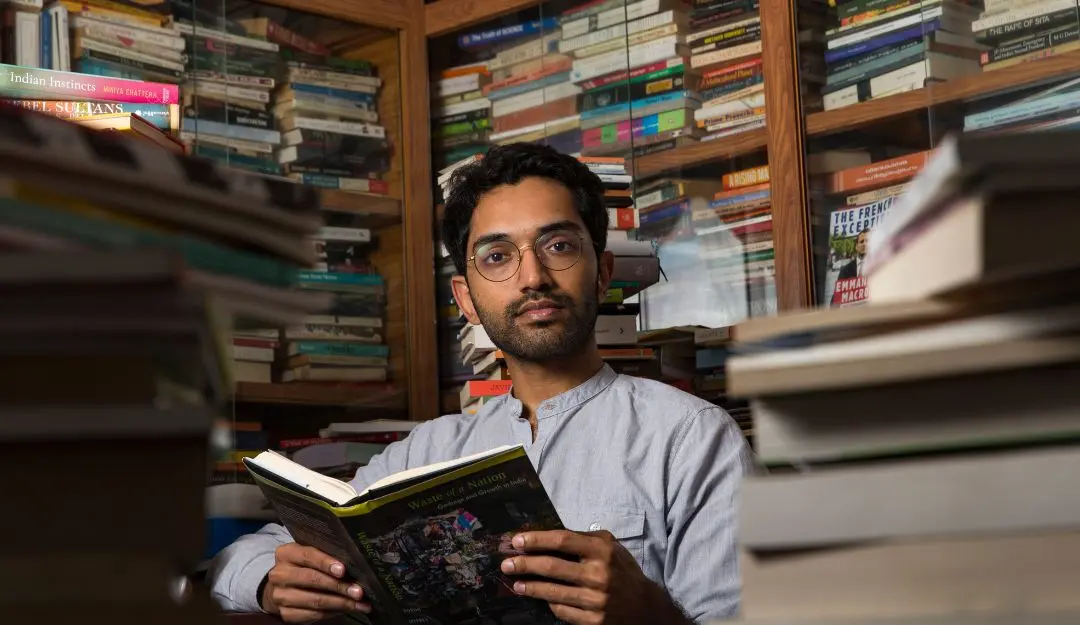
In a recent conversation on the Kitaabi Cabbins YouTube channel, historian and author Manu S. Pillai offered a mix of personal anecdotes and insightful perspectives on his academic journey, quirky Instagram handle, and the art of engaging with history.
When asked about the unique name of his Instagram handle, “waatcoconut,” Pillai laughed, sharing its humble and personal origins.
“There is no grand story behind it. It’s just that my late father, when people spoke rubbish, would ask, ‘What coconut are you talking about?’—in his thick Malayali accent,” he explained fondly.
At 21, fresh out of college in London, Pillai created the handle as a quirky, personal touch. “I had no idea at the time that people would actually look at it,” he added. “I was a kid, just out of college. Then I just stuck to it. Now, even though more people know me, I think it reflects me in some ways. I quite like it. It comes out of a personal story.”
The conversation soon shifted to Pillai’s academic journey, where he shared insights into the challenges and rewards of pursuing a PhD in India.
When asked about the title of his thesis, he responded, “It was Rajas, Rani, Deity and Company.”
“It’s not difficult to do a PhD. Firstly, you need to have an aptitude for it,” he said. “In many Indian universities, especially the lesser-known ones, people just summarise existing work and pass it off as a PhD.”
Pillai went on to explain that true academic rigor comes from asking interesting questions and pursuing new avenues of research. “If you have a real aptitude for academia, you’re keen to go into the archives, unearth something new, or challenge an existing debate,” he said. “It doesn’t have to be grand; most PhDs are very granular, revising or refining specific points. How you approach the process makes a big difference in how difficult it is for you.”
When asked about book recommendations for a beginner in the field, he recommended the work of Abraham Irali, a historian whose series on Indian history inspired him as a teenager.
“Years ago, I remember reading Abraham Irali’s series on Indian History. He passed away some years ago and is very underrated—most people don’t seem to know his work,” Pillai shared. “He wrote a whole series of books covering everything from ancient India and the Harappan period to the end of the Mughals. They sparked a real interest in me because they were beautifully written, had a sense of humour, and were well-researched.”
“Most people think history is boring because they think of the textbook formula—six dynasties, five dates, two world wars, nationalist movements, etc. But history is full of life. There’s comedy, violence, tragedy. You can trace a thousand years of history through fabric, architecture, or even jokes,” he said.
“That’s what attracts me to history—teasing out these interesting elements that go beyond the typical textbook view.”