Case study of how Bhutan 'eliminated' dog‑transmitted rabies
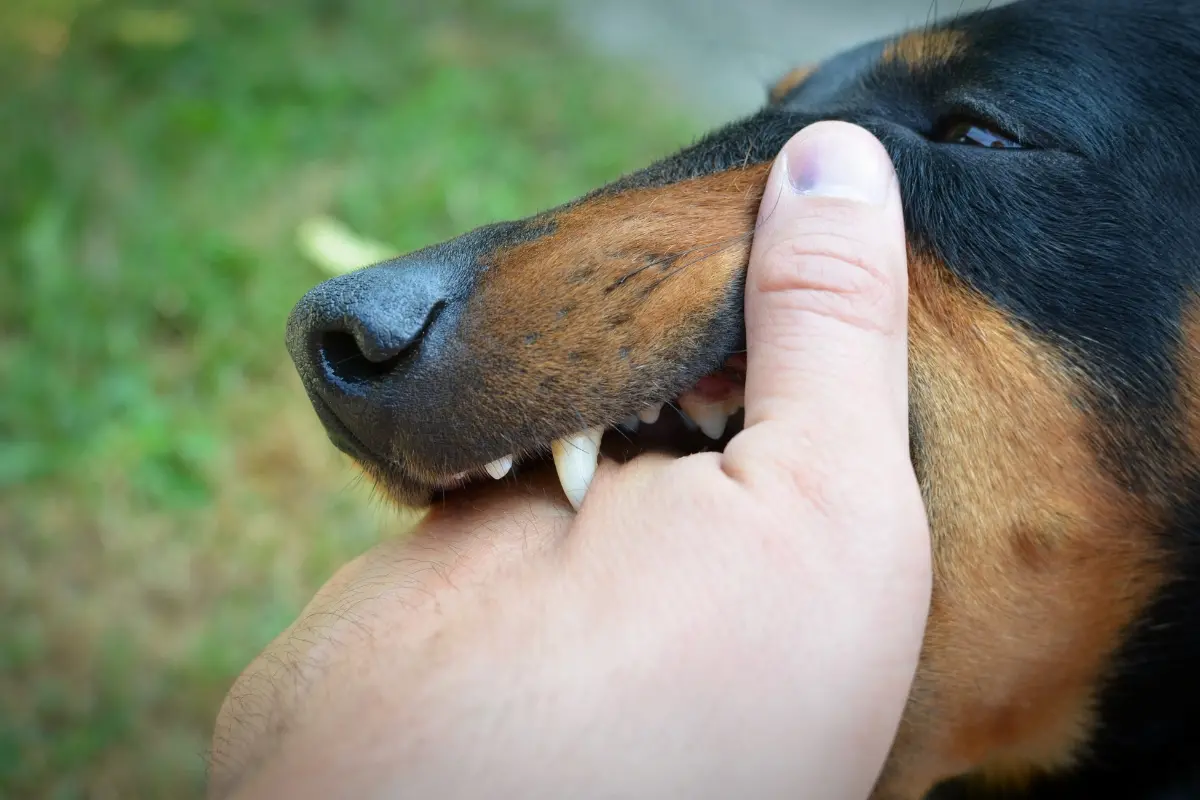
In a region where rabies still kills tens of thousands every year, Bhutan has achieved what until recently seemed almost unattainable: the elimination of dog‑transmitted rabies as a public health problem. On September 4, the World Health Organisation (WHO) formally validated Bhutan’s status, making it the first country in the WHO South‑East Asia Region to reach this milestone.
The secret, officials and experts say, was not a single breakthrough but a decade‑long, whole‑of‑society campaign built on a simple idea -- stop the virus at its source, in dogs, while making sure every bite victim gets timely treatment.
What 'elimination' actually means
WHO does not declare a country “rabies‑free” in the absolute sense; instead, it validates the elimination of dog‑mediated human rabies as a public health problem. To qualify, a country must show that it has recorded no human deaths from dog‑transmitted rabies for at least two years, and that it has the systems in place to prevent the disease from re‑establishing itself.
Bhutan’s last recorded human death from dog‑mediated rabies was in June 2023. Since then, the country has maintained zero such deaths, backed by strong surveillance, laboratory confirmation, high dog vaccination coverage and uninterrupted access to post‑exposure prophylaxis (PEP) for bite victims.
Rabies remains one of the world’s most neglected yet deadliest zoonotic diseases. Globally, an estimated 74,000 people die each year, more than 95% of them after being bitten by infected dogs. In the WHO South‑East Asia Region alone, rabies causes around 36,000 deaths annually, nearly half the global toll, with children in rural areas disproportionately affected.
For decades, Bhutan was part of this grim picture. Rabies was endemic, with periodic outbreaks linked to unvaccinated dog populations and limited access to PEP in remote areas. The turning point came when Thimphu decided to treat rabies not just as a human health issue or an animal welfare concern, but as a One Health problem that sits at the intersection of people, animals and the environment.
Bhutan's One Health backbone
At the heart of Bhutan’s success is its One Health approach, which recognises that human health, animal health and ecosystem health are interlinked and must be managed together. In practice, this meant breaking down silos between ministries and aligning budgets, data systems and field operations.
When a suspected rabies case is reported today, animal and human health authorities collaborate to identify potential exposures and, if needed, conduct joint field investigations.
Surveillance data flows between the Ministry of Health and the Ministry of Agriculture and Livestock, allowing rapid tracing of bite incidents, risk assessment and targeted response. This integrated system is coordinated through an Inter‑Ministerial Committee on One Health (IMCOH), ensuring that decisions are taken jointly rather than in parallel.
Breaking transmission at the source
Bhutan’s strategy rested on two pillars long advocated by WHO and global partners: mass dog vaccination to interrupt virus circulation, and post‑exposure prophylaxis to protect people after a bite.
Over more than a decade, the country rolled out repeated rounds of mass dog vaccination (MDV) campaigns, aiming to keep at least 70% of the dog population immunised -- the threshold generally considered necessary to break rabies transmission. Vaccination teams moved from village to village, marking vaccinated dogs with collars or paint and maintaining registers to track coverage.
Alongside vaccination, Bhutan pursued humane dog population management, including sterilisation and registration, to stabilise the stray dog population and sustain immunity over time. By 2023, the country reported that all its street dogs had been sterilised and vaccinated, with more than 150,000 dogs processed under the programme.
This dual focus -- vaccinating enough dogs to stop the virus, while managing population growth -- helped drive down canine rabies cases steadily, shrinking the reservoir from which human infections arise.
Ensuring no bite goes untreated
Even with high dog vaccination coverage, bites will happen. Bhutan’s second line of defence was to ensure that no suspected exposure went without proper treatment.
The country strengthened its network of hospitals and health centres to provide timely access to PEP, which involves thorough wound washing, a full course of rabies vaccine and, where indicated, rabies immunoglobulin.
Protocols were standardised, supplies were pre‑positioned, and health workers were trained to treat every suspicious bite as a potential rabies exposure until proven otherwise.
Integrated human-animal surveillance meant that every bite incident could be logged, investigated and linked to animal data. Suspected rabid animals were tested in laboratories, and results fed back into risk maps to guide targeted vaccination or awareness drives.
This continuous loop of detection, confirmation and response is a key part of what convinced WHO that Bhutan could not only eliminate rabies but also prevent its re‑emergence.
Taking the campaign to the last mile
Bhutan’s geography -- mountainous, scattered and often hard to reach -- made a purely top‑down approach impractical. The solution was to embed the rabies programme in local communities.
Health workers, veterinary professionals and local government officials were joined by De-suung volunteers, known as “Guardians of Peace”, who played a crucial role in mobilising dog owners, organising vaccination camps and spreading awareness about bite management.
Community meetings, school programmes and local media campaigns reinforced simple messages: vaccinate your dog, report suspicious animals, and wash any bite immediately and seek treatment.
This grassroots engagement helped overcome hesitancy, improved reporting of bites and ensured that even remote villages were covered in vaccination drives. It also created a sense of shared ownership: rabies elimination was not seen as a government project alone, but as a collective responsibility.
From dossier to validation
The final step was to prove to WHO that elimination was real and sustainable. In July 2026, Bhutan submitted its National Dossier for Validation of the Elimination of Dog‑Mediated Human Rabies, compiling years of data on human and animal cases, vaccination coverage, PEP access, laboratory capacity and surveillance.
Between August 18 and 20 this year, a WHO‑led field validation team visited the country to verify the evidence on the ground. They reviewed records, visited health facilities and veterinary labs, spoke with frontline workers and assessed the readiness of the system to detect and respond to any reintroduction of the virus.
On September 4, WHO announced its decision: Bhutan had met all the criteria and was validated as having eliminated dog‑transmitted rabies as a public health problem. It is the first country in the WHO South‑East Asia Region to do so.
What comes next
Validation is not the end; it is a new starting point. Bhutan has committed to continuing mass dog vaccination, dog population management and integrated surveillance under the next phase of its Nationwide Accelerated Dog Population Management and Rabies Control Programme (NADPM&RCP), coordinated through IMCOH.
The country also remains alert to the risk of reintroduction, especially given porous borders with neighbouring states where rabies is still endemic. Maintaining high immunity in the dog population, ensuring uninterrupted PEP supply and keeping surveillance sensitive are now permanent priorities, not temporary campaign goals.
For the rest of South‑East Asia, Bhutan’s experience offers a practical blueprint: invest early in One Health coordination, vaccinate dogs at scale, manage populations humanely, guarantee PEP for every bite, and bring communities into the core of the effort.
As WHO noted, countries seeking similar validation must provide rigorous technical evidence of sustained interruption of transmission, backed by strong surveillance, laboratory diagnosis, animal vaccination, timely access to PEP and preparedness to respond to potential reintroduction.