Why Centre’s Khet Bachao Abhiyan matters for Kerala’s soil, farming and 3.42 lakh farmers | Explainer
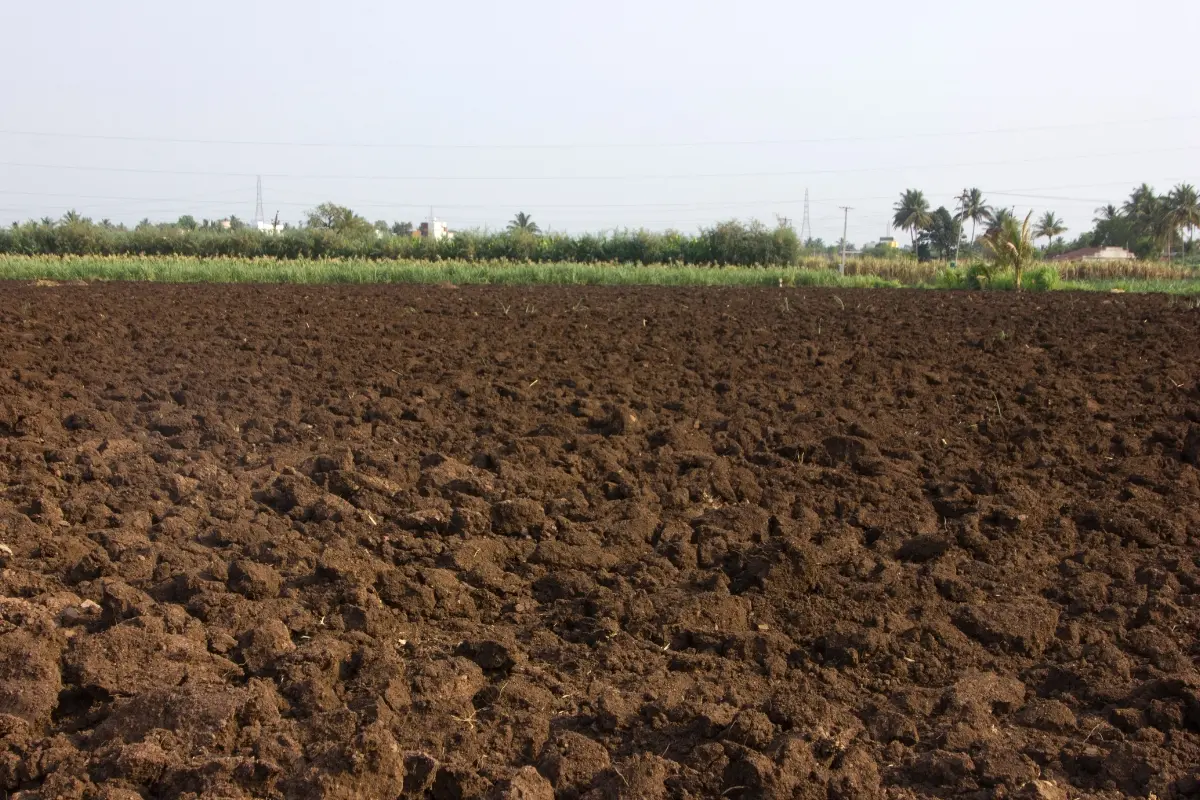
Farmlands across India are facing severe strain from excessive chemical inputs, prompting the Union Ministry of Agriculture and Farmers Welfare to roll out a nationwide restorative campaign titled ‘Khet Bachao Abhiyan- Rabi 2026’. The six-week programme, running from October 22 to November 30, 2026, was officially launched on Thursday by Union Minister of Agriculture and Farmers Welfare, Shri Shivraj Singh Chouhan, from Karnal, Haryana. Driven by the urgent need to protect soil health and curb the unchecked use of synthetic fertilisers and pesticides, this grassroots drive seeks to shift Indian farming towards balanced nutrient use, climate resilience, and natural cultivation. Through this initiative, the Central Government aims to foster cost-effective cultivation, secure the long-term prosperity of farmers, and advance the broader vision of Viksit Bharat.
A nationwide mission to revive exhausted farmland
At its heart, the Khet Bachao Abhiyan addresses the falling fertility of agricultural soils caused by the heavy, unbalanced application of chemical inputs. Rather than relying on guesswork, cultivators are being guided to apply fertilisers and other inputs strictly on the basis of scientific soil testing. The campaign introduces alternatives such as green ammonia, biological products, and integrated nutrient management systems. Natural farming forms a cornerstone of this push. Through practical awareness sessions, structured training, and live field demonstrations, agricultural authorities are encouraging farmers to adopt natural and regenerative farming practices that lower input expenses while safeguarding the land.
Water management is another crucial priority. In response to depleted water tables and variable weather, the campaign promotes enhanced water-use efficiency, community rainwater harvesting, and groundwater recharge. It also tackles crop residue management, demonstrating how farm waste and stubble can be scientifically recycled rather than burnt. In addition, cultivators are being assisted to diversify their crop cycles through dedicated national missions for pulses, oilseeds, and horticulture. A key target is the productive utilisation of rice fallows—plots of land that normally sit barren after the paddy harvest.
Mobilising field teams and welfare safety nets across the country
To take these practices directly to the village level, the Central Government has mobilised an extensive network across states, districts, blocks, and gram panchayats. A total of 4,150 joint teams comprising Krishi Vigyan Kendras (KVKs) and Agricultural Technology Management Agencies (ATMA) have been established, drawing on more than 12,000 agricultural scientists and ATMA functionaries. Together, they aim to connect with approximately one crore participants through village-level Kisan Chaupals, farmers' conferences, and demonstration plots. Regional outreach is being amplified through local-language publications, radio broadcasts, Doordarshan programmes, and social media campaigns, in active partnership with Farmer Producer Organisations (FPOs), cooperatives, and Self-Help Groups (SHGs).
The campaign also pairs agronomic guidance with direct access to government welfare schemes. Field teams are conducting saturation drives to create official Farmer IDs, expand credit support by enrolling uncovered cultivators under the Kisan Credit Card (KCC) scheme, and boost enrollment in crop insurance under the Pradhan Mantri Fasal Bima Yojana (PMFBY). Furthermore, farmers are receiving guidance on integrated pest management, quality seed distribution, modern farm mechanisation, and commercial opportunities arising from trade agreements.
How Kerala stands to gain from grassroots intervention
In Kerala, the campaign has been structured to address the state's specific agro-climatic conditions, fragile ecosystems, and distinct farming systems. The state-level rollout covers all 14 districts across 152 administrative blocks, operating simultaneously with the national timeline. Departmental estimates project that 3.42 lakh cultivators across the state will benefit directly from the initiative.
Each of the 152 blocks will conduct 30 structured sessions, with each gathering designed for 75 local cultivators to provide hands-on, practical guidance. These sessions focus on practical field management: applying plant nutrients in accordance with Soil Health Cards, adopting integrated pest and nutrient control, and using organic and bio-based products to keep production costs in check. Given the state's sloping terrain and sensitive water sources, demonstrations on soil-water conservation, rainwater harvesting, and climate-resilient practices will be vital. The drive will also encourage Kerala's growers to put idle post-harvest paddy fields to productive use by cultivating pulses, oilseeds, and horticultural crops.
Marshalling research institutes and local self-governments
A decisive advantage for Kerala's farming community is the direct involvement of premier agricultural research bodies based in the state. Specialist scientists from the Kerala Agricultural University (KAU), Krishi Vigyan Kendras, and Regional Agricultural Research Stations are collaborating with prominent national research centres. These include the Central Plantation Crops Research Institute (CPCRI), Central Tuber Crops Research Institute (CTCRI), Central Marine Fisheries Research Institute (CMFRI), Central Institute of Fisheries Technology (CIFT), and Central Integrated Pest Management Centres (CIPMC). Working alongside the Agricultural Engineering Wing, NABARD, lead commercial banks, and voluntary organisations, these agencies will deliver tested scientific solutions directly to cultivators.
Outreach is mapped to penetrate every tier of local governance in Kerala, spanning 941 grama panchayats, 87 municipalities, and six municipal corporations. Alongside field training, local drives will ensure all eligible cultivators are brought under the coverage of core financial safety nets, including PM-KISAN, PMFBY crop insurance, and Kisan Credit Cards. By combining scientific resource conservation with assured institutional support, the campaign provides Kerala's farmers with practical tools to rebuild soil health, lower input expenditure, and build sustainable agricultural livelihoods.