Union govt’s Seed Bill: Kerala nurseries may struggle if it becomes law
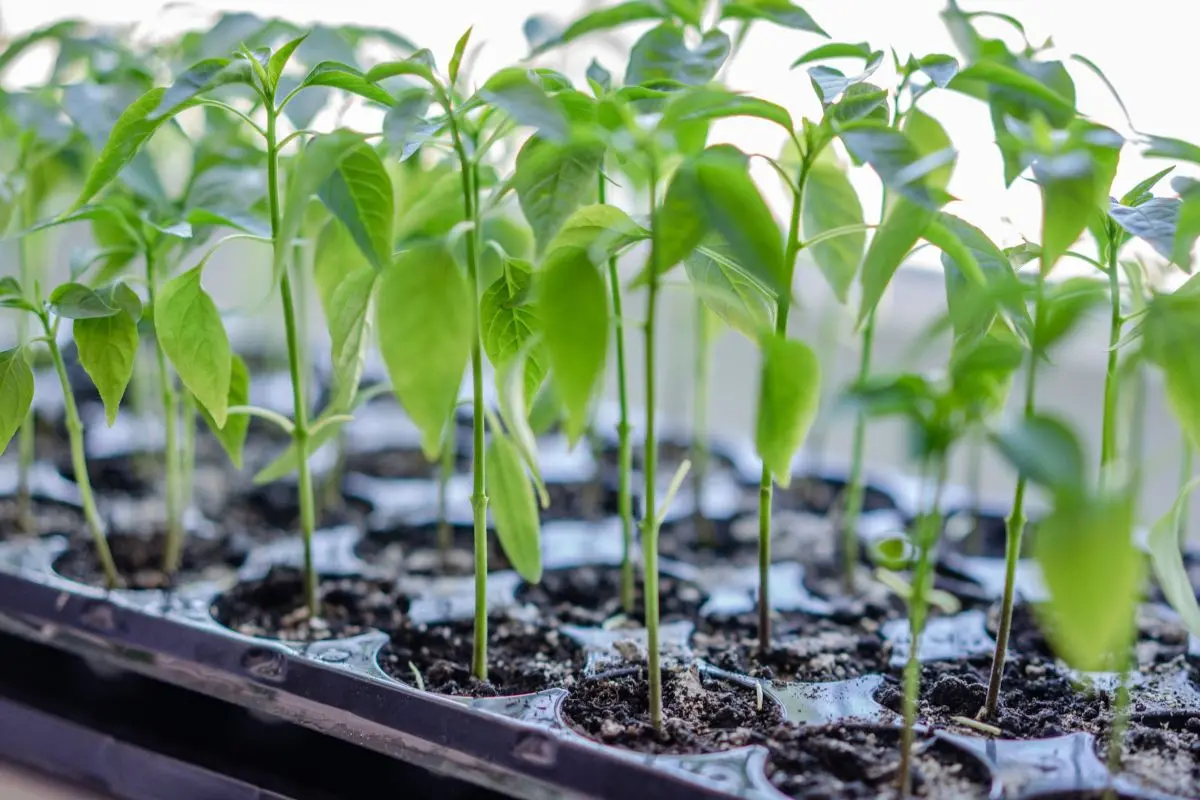
Thiruvananthapuram: Small nurseries in Kerala may face difficulties if the Union Government’s proposed Seed Bill becomes law. Registration and new rules could make it harder for them to sell planting materials.
Most saplings sold by these nurseries come from large nurseries or are produced outside Kerala. Ensuring quality for local saplings could be tough, especially for small nurseries run as self-employment ventures that often do not follow registration or regulatory laws.
Critics say that even though the government wants seeds to carry QR codes trackable online, it is unclear how practical this will be. They claim the bill mainly helps multinational seed companies, not ordinary farmers.
No help for farmers if seeds fail
Farmer groups point out that while the bill allows penalties for bad-quality seeds, it does not provide compensation for farmers who suffer losses. They also say that groups producing seeds would now need to register and follow regulations, adding more difficulties.
State agriculture department produces thousands of seeds
Kerala’s Agriculture Department produces and distributes seeds and planting materials through 64 farms, including those managed by the Vegetable and Fruit Promotion Council Keralam (VFPCK). In 2024-25, these farms produced 595.8 tonnes of paddy seeds, 10.66 lakh coconut saplings, 4.17 lakh tissue-cultured bananas, 29.73 lakh pepper vines, and 22.77 lakh vegetable seeds, according to VFPCK records.
University seed bank preserves traditional varieties
Kerala Agricultural University has a seed bank to protect traditional varieties. It stores 1,074 paddy strains, 100 legumes, and 60 types of vegetable seeds. Its Ambalavayal campus nursery can produce one crore vegetable and flower saplings.
The university has also created high-yielding varieties such as Pournami and Punya paddy seeds. In 2024-25, it produced 1,850 tonnes of various seeds, according to university data.