Word of the Day, October 03: ‘Wisteria’
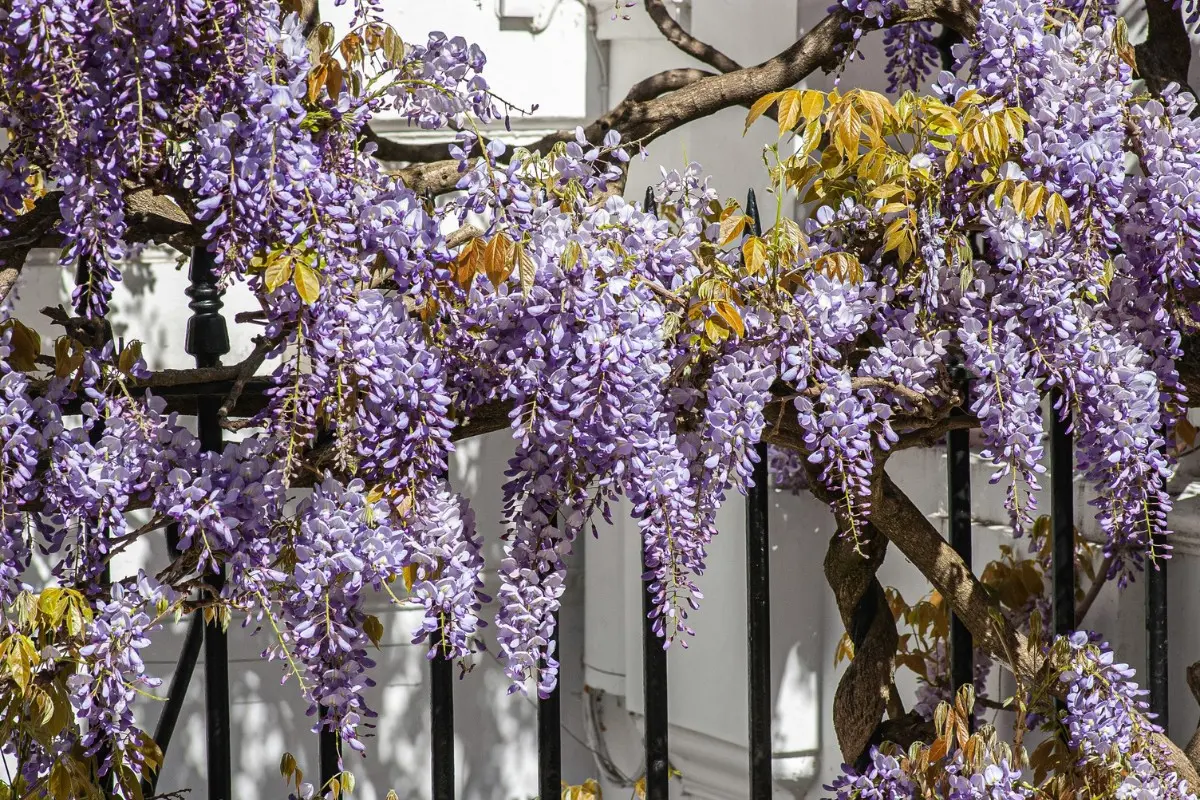
Word of the Day: WISTERIA
Pronunciation: UK /wɪˈstɪəriə/
US /wɪˈstɪriə/
Meaning
Wisteria is a climbing plant known for its long, hanging clusters of fragrant flowers. The blooms are commonly purple, lilac, blue, pink or white, and the plant is often trained over walls, arches and pergolas.
Examples for daily usage
- The old house was covered in flowering wisteria.
- We stopped to admire the wisteria growing over the garden arch.
- Purple wisteria hung from the pergola in long, fragrant clusters.
Origin and history
The name wisteria was created by the English botanist Thomas Nuttall in the early 19th century.
Interestingly, Nuttall originally used the spelling Wistaria. The form Wisteria became established instead, although the reason for the spelling has been debated. Some sources suggest it may have been a spelling error, while others note that Nuttall may have deliberately altered it.
Also Read: Word of the Day, October 02: ‘Verbose’
Cultural significance and modern usage
Wisteria has a particularly strong cultural connection with Japan, where it is known as fuji. The flower has appeared in Japanese poetry, art and literature for centuries, including works such as the Man'yōshū and The Tale of Genji.
The flower was also associated with the powerful Fujiwara clan, whose family crest features wisteria. At Kasuga Taisha Shrine in Nara, wisteria remains an important part of the landscape, with one famous plant estimated to be more than 700 years old.
Wisteria is also a familiar sight in Japanese gardens, where its cascading flowers are enjoyed during the spring blooming season.
Interesting facts
Wisteria belongs to the pea family, Fabaceae.
There are species native to China, Japan, Korea and the eastern United States.
Wisteria is a vigorous climber. Some mature plants can reach around 10 metres high or spread much farther when trained against a wall.
Japanese wisteria (Wisteria floribunda) is known for particularly long flower clusters.
Wisteria can take several years to flower. Plants grown from seed may sometimes take many years before producing their first blooms.
Wisteria is harmful if eaten. The ASPCA lists it as toxic to dogs, cats and horses, with lectin and wisterin glycoside among the toxic principles.
Examples from literature
- “From underneath the purple lanterns of your wisteria vine?” — Acanthus and Wild Grape, F. O. Call
- “To Those Who Appreciate Wistaria and Sunshine.” — The Enchanted April, Elizabeth von Arnim
- “Wisteria Lodge.” — The Adventure of Wisteria Lodge, Arthur Conan Doyle
Read more Word of the Day here