Word of the Day, November 25: ‘Xerophyte’
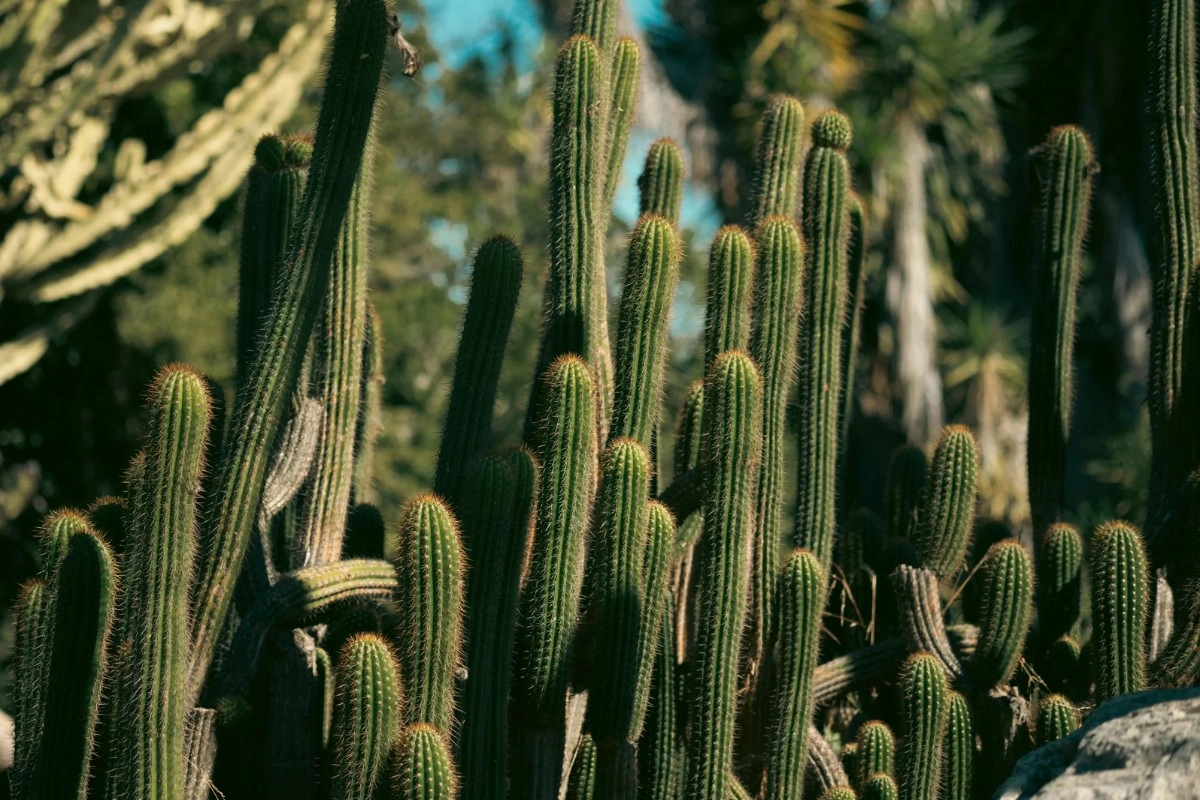
Word of the Day: XEROPHYTE
Pronunciation: UK /ˈzɪə.rə.faɪt/
US /ˈzɪr.ə.faɪt/
Meaning
Xerophyte is a noun used to describe a plant that has special adaptations to survive in environments where water is scarce. These plants are commonly found in deserts, dry grasslands, rocky areas and other places that receive very little rainfall.
Examples in everyday sentences
- The cactus is a well-known xerophyte because it can survive in extremely dry conditions.
- Students learnt how xerophytes adapt to life in desert environments during their biology class.
- The thick, fleshy leaves of aloe vera help it survive as a xerophyte.
- Scientists are studying xerophytes to understand how plants cope with water shortages.
Origin and history
The word xerophyte comes from two Greek elements: xeros, meaning 'dry', and phyton, meaning 'plant'. Together, they refer to a plant adapted to dry conditions.
The term entered scientific English towards the end of the 19th century. Etymological records trace its use to 1897, while dictionaries generally date its first recorded use to around 1895–1900. It became part of botanical vocabulary to describe plants that can grow in habitats where water is limited.
Cultural significance and modern usage
The word xerophyte is commonly used in biology, botany, environmental science and discussions about climate change. It is particularly relevant when studying how plants adapt to challenging environmental conditions.
In botany, xerophytes are studied for their ability to survive in places where rainfall is low and water is difficult to access.
The term is also relevant to conversations about water conservation, desert ecosystems and agriculture.
Interesting facts
- Cacti are among the best-known examples of xerophytes.
- Not all xerophytes are desert plants. Some grow in rocky areas, coastal sand dunes and other habitats where water availability is limited.
- Aloe vera is a succulent xerophyte. Its fleshy leaves help it store water.
- Some xerophytes have very deep roots to reach underground water, while others develop shallow, widespread roots to absorb rainwater quickly.
- Certain xerophytes use a process called Crassulacean Acid Metabolism (CAM), which allows them to open their stomata at night to take in carbon dioxide and reduce water loss during the day.
- The adjective form of xerophyte is xerophytic.
Synonyms
- Desert plant
- Dryland plant
Read more Word of the Day here.